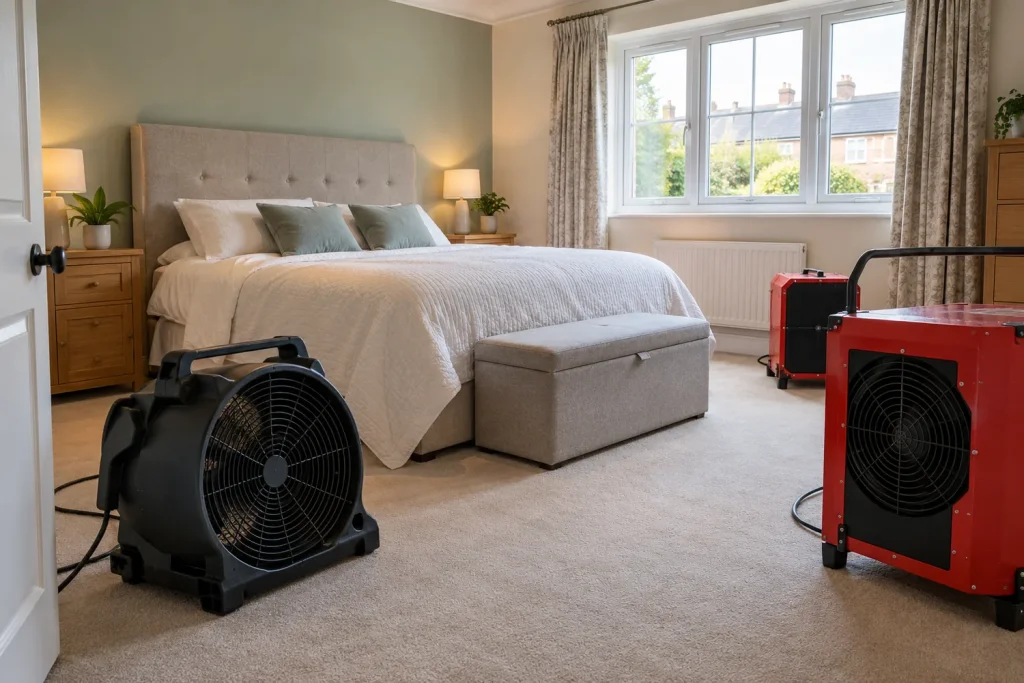

The day a bed bug treatment is carried out often feels like the finish line. In reality, it is one stage in a process: confirming the pest, treating the right places, following the instructions for the chosen method, and checking whether activity has stopped. A single sighting shortly afterwards may not mean the work failed, while a quiet few nights do not automatically prove every hiding place is clear. A sensible follow-up plan turns that uncertainty into observations a technician can act on.
Bed bugs are difficult to find, and their eggs and young stages can remain in concealed places. The NHS says they are very difficult to get rid of yourself and recommends contacting a pest control service. Different professional approaches have different follow-up requirements. If you use bed bug treatment in Greenford, ask for the expected timeline and the exact instructions for your home before the technician leaves.
What follow-up is meant to establish
Follow-up is not simply another visit by default. It tests whether the treatment reached the active areas and whether there are new signs in the weeks after it. The technician may inspect the bed frame and nearby furniture, review what the household has noticed, and decide whether another treatment step is needed. If heat or another method was used, the check may also consider whether untreated belongings or adjacent rooms could be involved.
Ask what counts as meaningful evidence: a live insect, fresh spotting, shed skins, or a pattern in an approved monitor. Bites can be noted, but they are not a reliable stand-alone measure of success. Skin reactions vary, and a mark noticed later does not prove when it occurred. If someone has a concerning reaction, seek medical advice separately from the pest assessment.
Keep the follow-up period in mind when arranging travel, moving furniture or changing where you sleep. A technician needs to know whether the room has been used normally. If the bed is suddenly unused, the absence of signs there may be harder to interpret. Ask the provider how the room should be occupied during monitoring rather than improvising a move to the sofa.
Why the chosen method changes the instructions

A residual insecticide programme and a professional heat treatment do not have identical aftercare. Some council guidance for insecticide treatment tells residents not to vacuum certain treated surfaces for a period because cleaning can remove the residual product. That period differs by provider and product, so copying a number from another council's website could undermine your own plan. Get the instruction in writing for the surfaces in your home.
Heat treatment depends on reaching the necessary conditions throughout relevant hiding places, including cooler spots within furniture and contents. The British Pest Control Association advises asking about the preparation, the survey and temperature monitoring. A provider may combine methods or advise additional action for belongings. Ask what was treated, what was excluded and what should be watched afterwards. Never try to supplement professional heat treatment with a domestic heater or improvised steam; it creates safety risks without reliable coverage.
The Greenford bed bug heat treatment page describes a distinct service, but suitability depends on inspection. Neither treatment label is a substitute for a clear explanation of follow-up. The household should know whom to contact, what to report and when the next assessment is expected.
Keep a log that is useful rather than exhausting
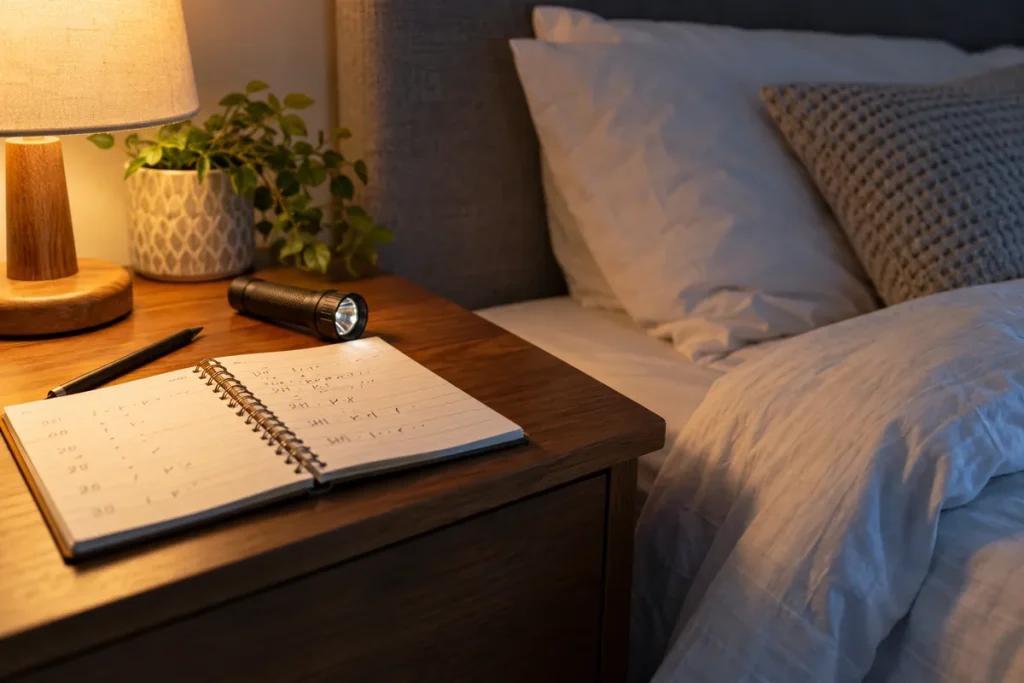
A small notebook or phone note is enough. Record the date, room, exact location and type of sign. If you see an insect, take a clear close photograph and a wider one showing where it was found. If safe, retain the specimen in a sealed container for identification. Note whether the item was cleaned or moved afterwards. This gives the technician a sequence rather than a vague report that bugs are 'still everywhere'.
Avoid checking every hour. Choose a regular time to look at mattress seams, bed frame joints and the places where activity was originally found. A brief, consistent check is easier to maintain and makes change more visible. If a monitor has been provided, follow its instructions and do not move it without telling the technician. Keep photographs labelled by date so older evidence is not mistaken for new activity.
Tell the provider about any new bites, but distinguish them from physical signs. The NHS notes that bites can be itchy and raised, yet other causes of skin irritation are possible. If pain, swelling or itching persists or spreads, contact a pharmacist or GP. Pest control and medical care answer different questions; neither should be expected to diagnose the other.
Preserve the treatment conditions
Follow the provider's instructions on cleaning, laundry, room access and re-entry. Do not spray a different product on top of treated surfaces. Do not move an untreated suitcase, chair or second-hand item into the cleared room without checking it. If a bag of belongings has been set aside for processing, keep it closed and labelled until it is dealt with. This prevents a new introduction from being confused with continuing activity.
There may be a temptation to discard the bed after treatment. Ask first. Moving a possibly affected mattress through a building can expose other spaces, and the bed may not be the only hiding place. If disposal is advised, plan containment and removal with the provider. If the bed remains, follow the specific instructions for using and checking it.
Household communication matters as much as a checklist. Everyone should know which items are clean, which are awaiting attention, and what to report. In a rented or shared property, send a factual update with dates and photographs to the person coordinating access. Avoid unsupported claims about where the insects came from. A clear record helps the next decision.
When to call earlier than planned
Do not wait silently for a scheduled review if you find several live insects in a new room, see activity in an area that was not inspected, or cannot follow an aftercare instruction. Contact the provider and describe exactly what changed. They may need to reassess the extent of activity or alter the plan. Likewise, ask before a major change such as moving out, bringing furniture back or redecorating the treated room.
Not every small insect is a bed bug. If you find a specimen on a windowsill or in natural-fibre textiles, identification may point elsewhere. The carpet beetle treatment service for Greenford is relevant to a different textile pest. Send the specimen photograph rather than assuming that every later insect represents the original infestation.
A clear end point
At the final review, ask what evidence supports closing the case and what signs should prompt a fresh call. Keep the treatment report and any photographs for reference. Continue normal housekeeping and check second-hand furniture and travel bags before bringing them into sleeping areas. There is no need to live in permanent inspection mode; the aim is to return to ordinary use with a practical awareness of signs.
If the provider recommends a further visit, ask what that visit is intended to achieve and how you should prepare differently. For example, they may need access to a furniture joint that was blocked before, or they may need to inspect a newly reported room. Make sure the whole household understands the revised plan so an item is not moved or cleaned at the wrong time.
Follow-up gives both the household and the technician a way to judge the result. It replaces guesswork with a dated record, respects the method used and catches any remaining activity while it can still be addressed. If you need an assessment or have questions about a treatment plan, start with the Greenford bed bug service.
Need help with a pest concern in Greenford?
Describe the signs you have noticed and where you found them. The team can discuss a suitable next step for your property.
Contact the team