
Pest Control Greenford
Targeted pest control for homes and businesses in Greenford. We identify the problem, use suitable treatments and help prevent future issues.
Call +44 20 3966 2380 View all pest control services →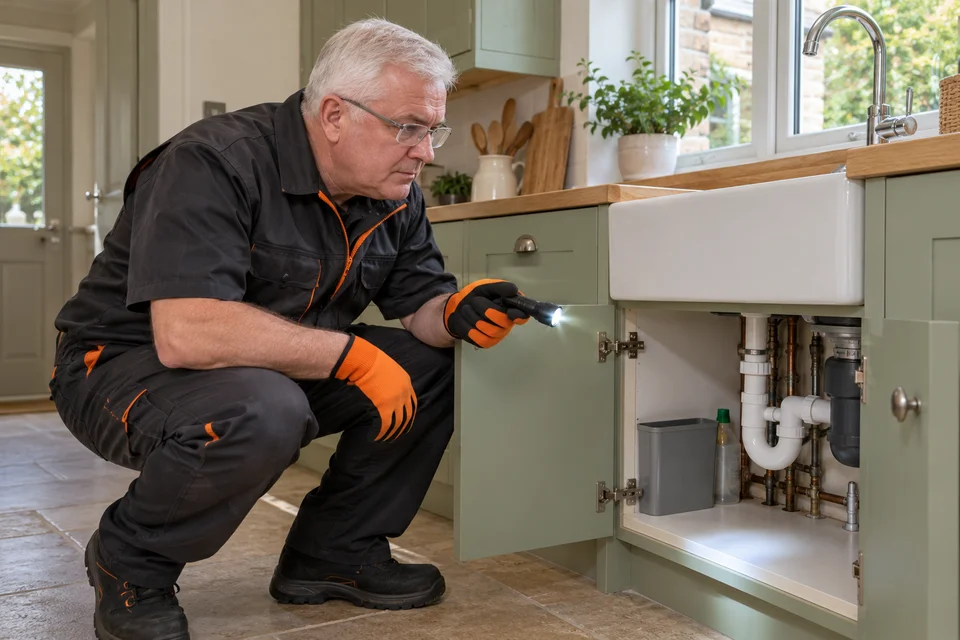
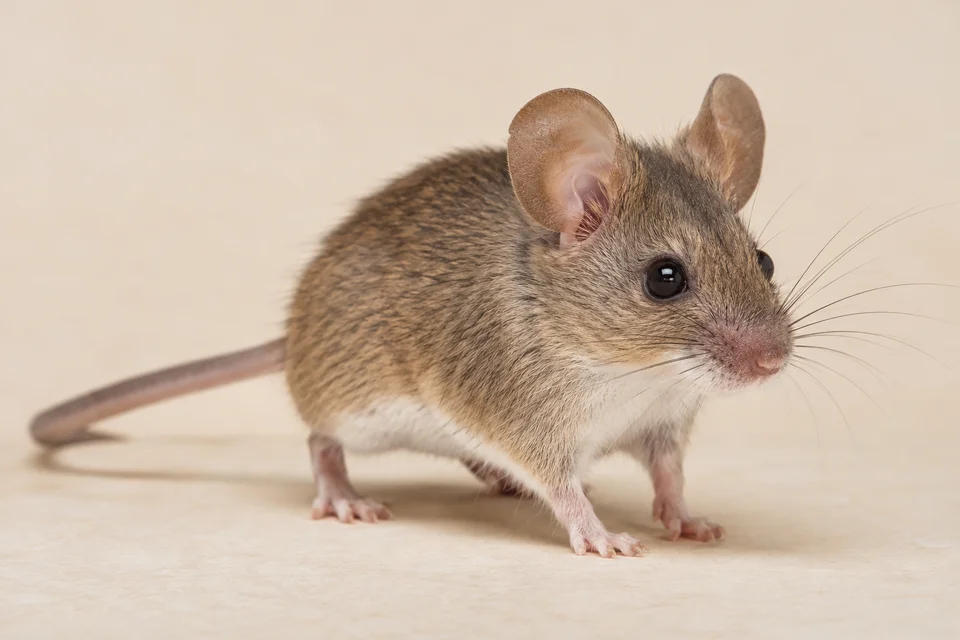
Rodent Control
- Mice, rats and squirrels
- Inspection of entry points
- Assessment of signs and activity
- Targeted treatment options
- Advice to prevent future access
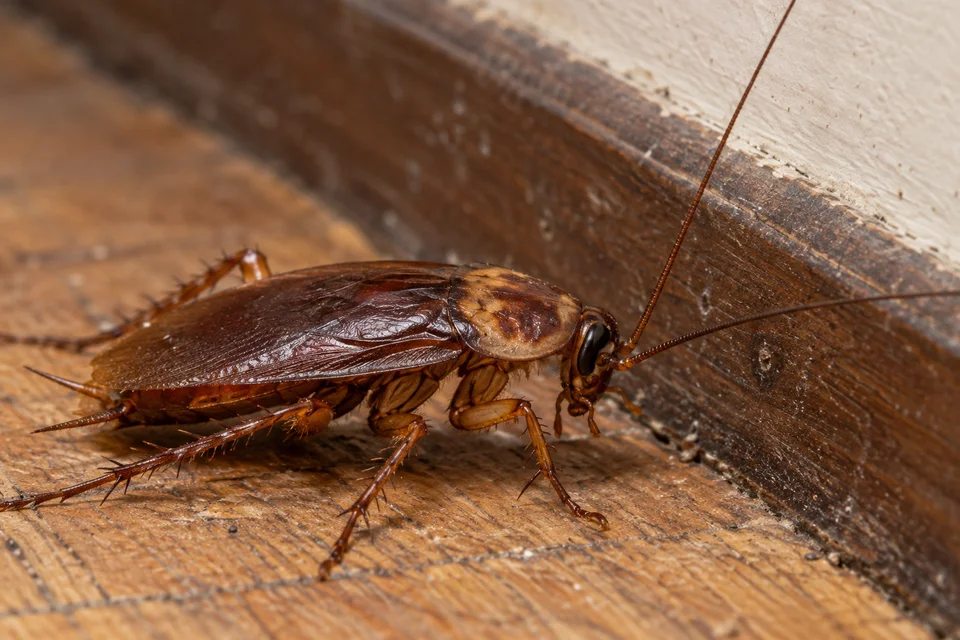
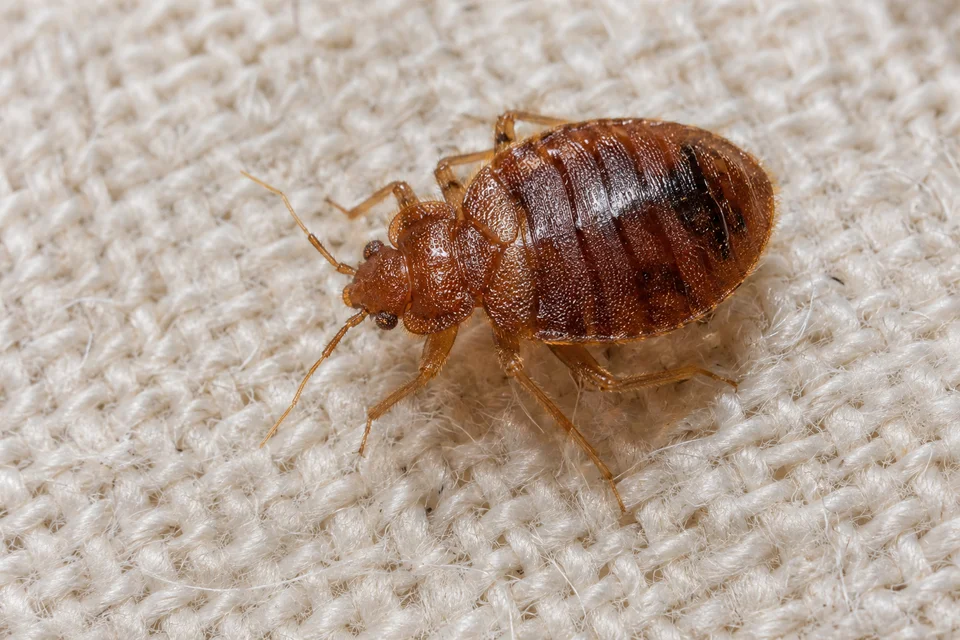
Insect Control
- Cockroaches, bed bugs and moths
- Inspection of problem areas
- Identification of hiding places
- Suitable treatment methods
- Preparation and aftercare guidance


A clear process
from inspection to prevention
We start by understanding the problem, carry out a detailed inspection, apply the right treatment and provide practical advice to help prevent the issue from coming back.
 01
Inspection
We check the areas where pests are active, look for signs such as droppings, damage and entry points, and identify the type and extent of the problem.
 02
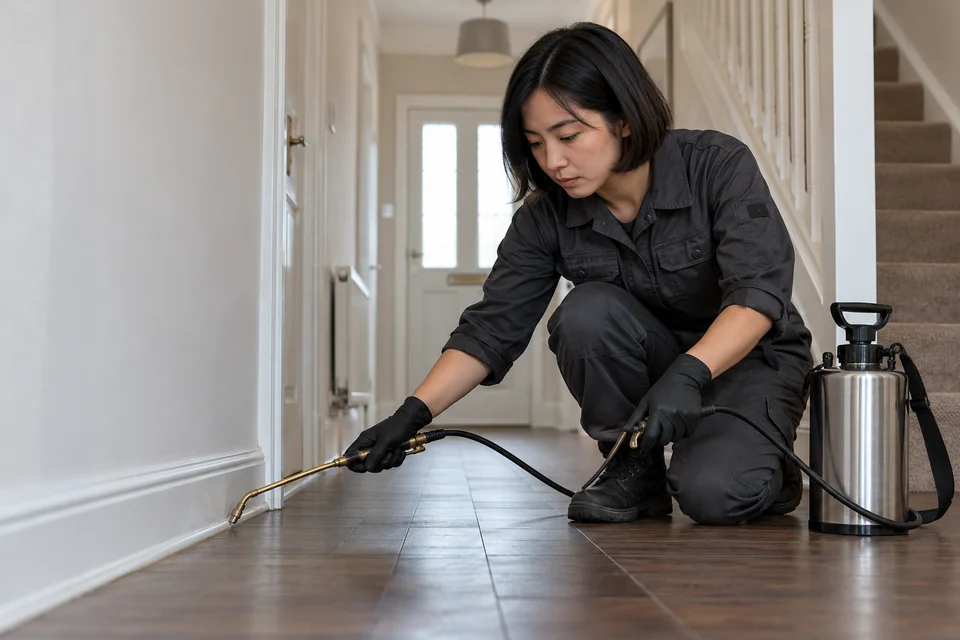
Treatment
We apply a suitable treatment based on the inspection findings and the type of pest. The method and products are chosen to be effective and appropriate for your property.
 03
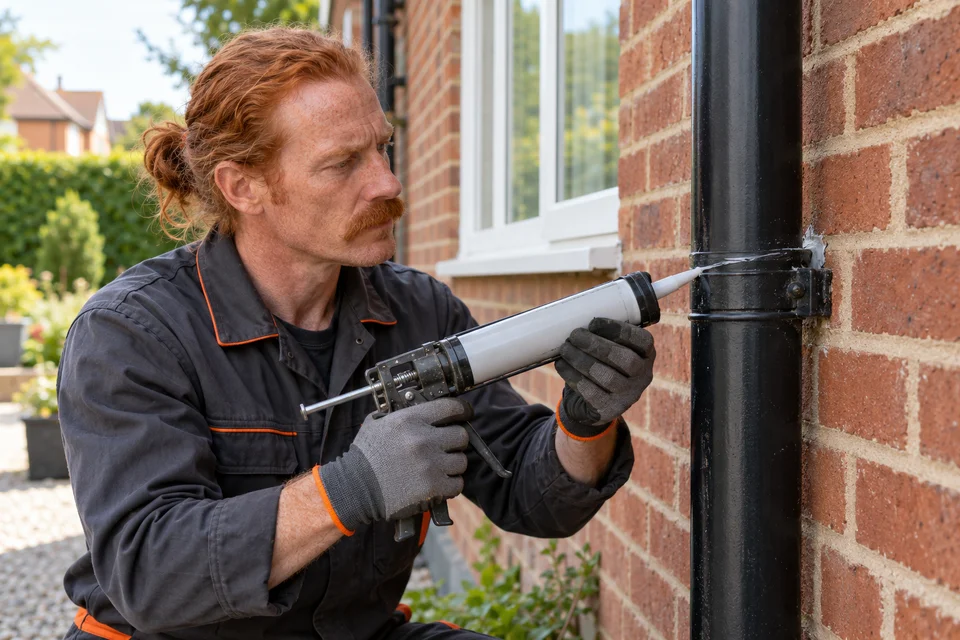
Prevention
We provide clear advice on how to reduce the risk of future infestations, including proofing recommendations and practical guidance for your property.

Pest Control for Homes
and Businesses in Greenford
We work with homeowners, landlords, rental properties and local businesses across Greenford. Preparation and access are discussed for the rooms involved and the people using them.
⌂ Homes & Apartments
Pest control for all types of residential properties.
▥ Commercial Premises
Offices, shops, restaurants and other businesses.
What happens during an inspection
Tell us where you first noticed the problem and whether activity has changed. A technician checks accessible areas rather than relying on a single sighting. In kitchens this may include cupboard bases, service pipes, skirting gaps and food storage. In bedrooms, attention turns to mattress seams, bed frames, nearby furniture and sheltered cracks.
Identification comes before treatment. Droppings, gnawing, shed skins, larvae and damage patterns help distinguish pests that need different approaches. Old evidence does not always mean activity is continuing.
We discuss adjoining rooms, shared walls and inaccessible spaces that may limit assessment. Tell us about children, pets, aquariums and particular health needs before work begins.

Pest signs and the checks we make
Our pest controllers in Greenford assess the evidence before recommending work. These are the problems we deal with and the checks that help shape a suitable response.

Mice Control
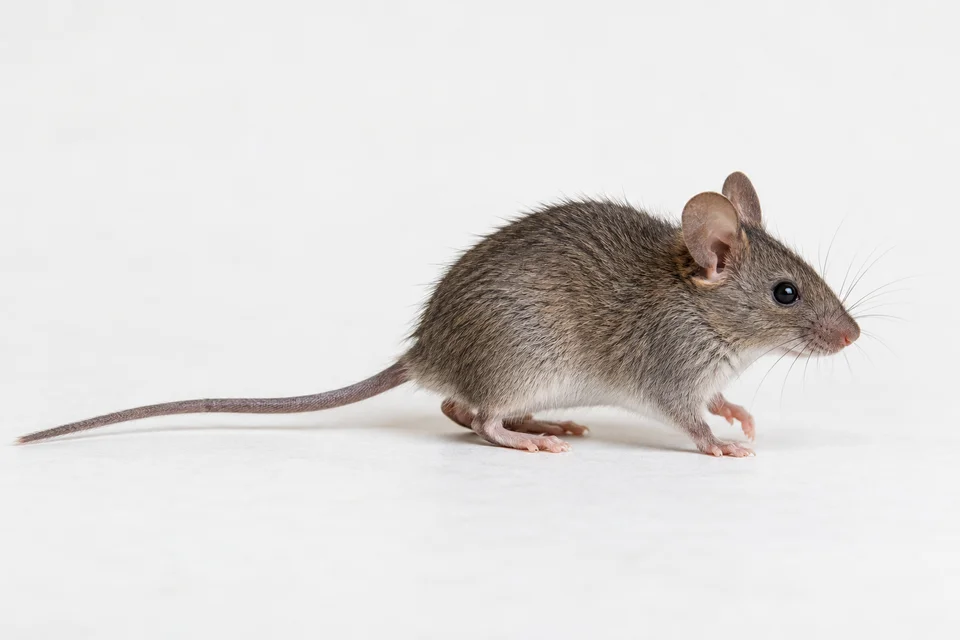
Mice can enter through small gaps around pipes and poorly fitted doors. Inspection follows droppings, nesting material and gnawing to find likely routes. Control may combine trapping or secured baiting with changes to food storage and advice on sealing suitable gaps.
Rat Control
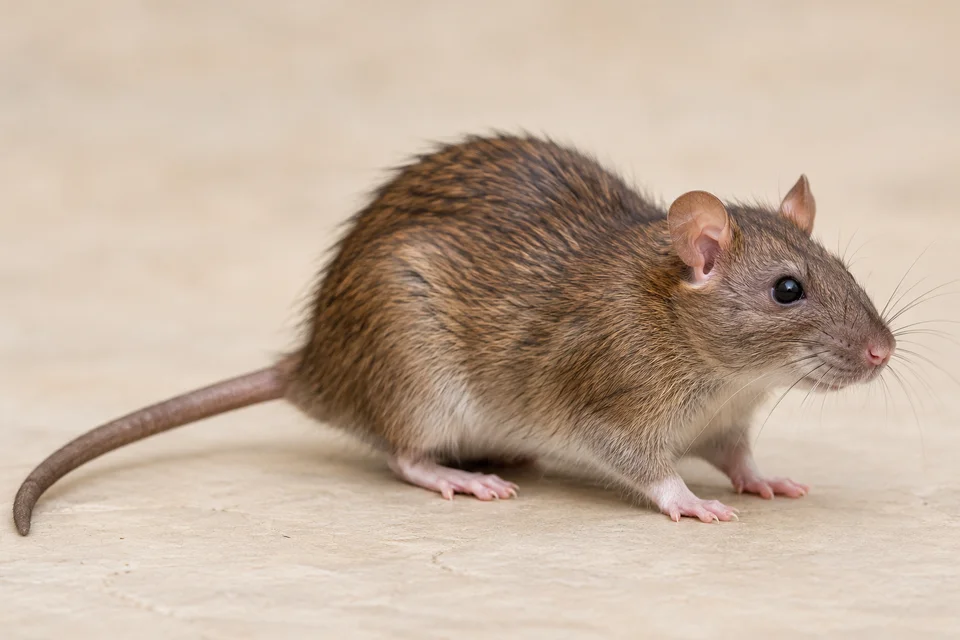
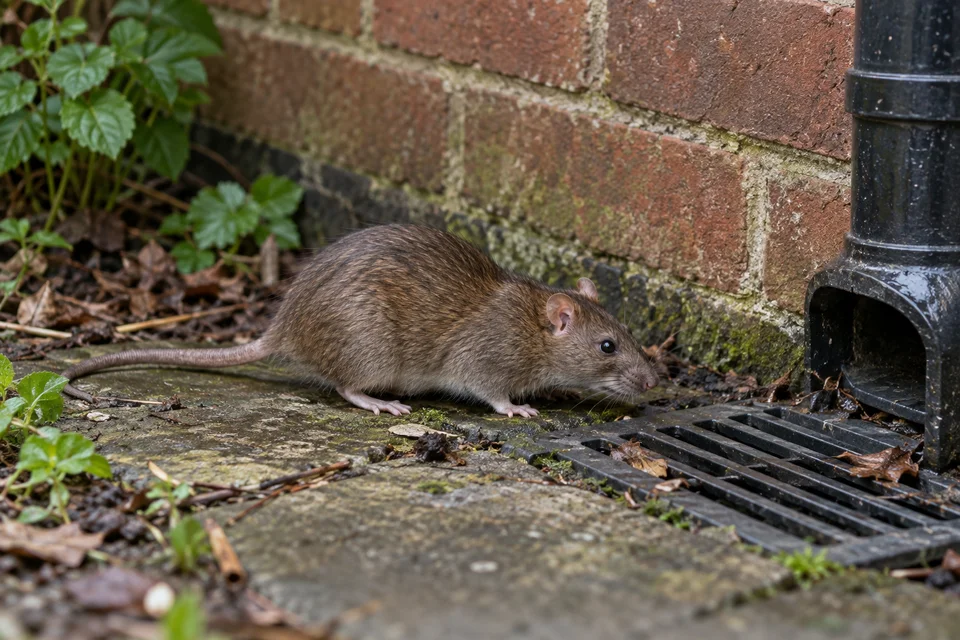
Rat activity may be associated with external waste, damaged drainage or openings in a building. Accessible runs, burrows and feeding signs guide assessment. The technician discusses appropriate control and whether a separate drainage investigation or building repair is needed.
Squirrel Control
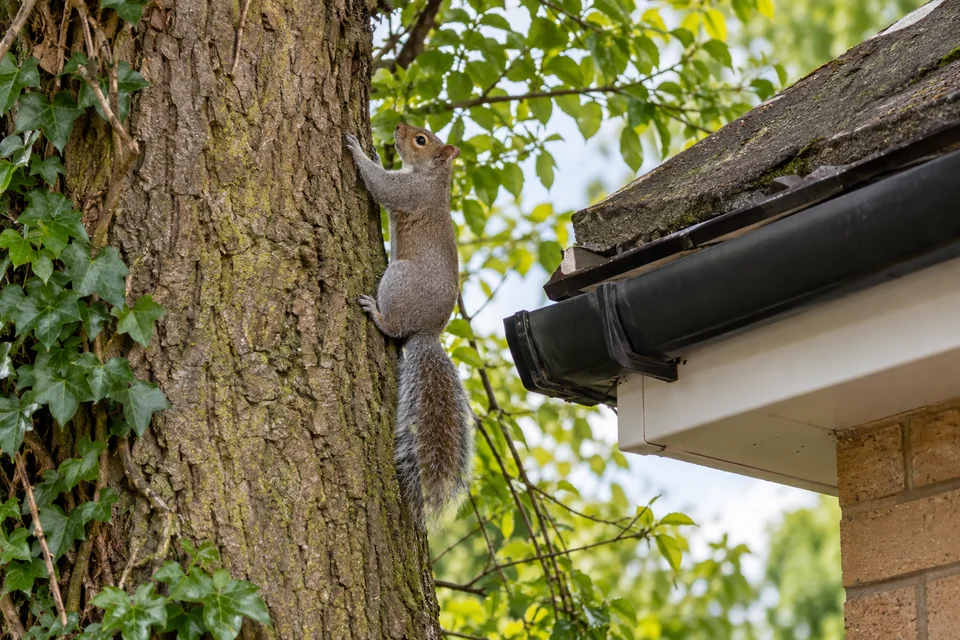
Squirrels in a loft can disturb insulation and damage materials. Accessible roof edges and loft signs help establish the animal and route involved. Control or exclusion must account for legal restrictions, access and possible dependent young before openings are closed.
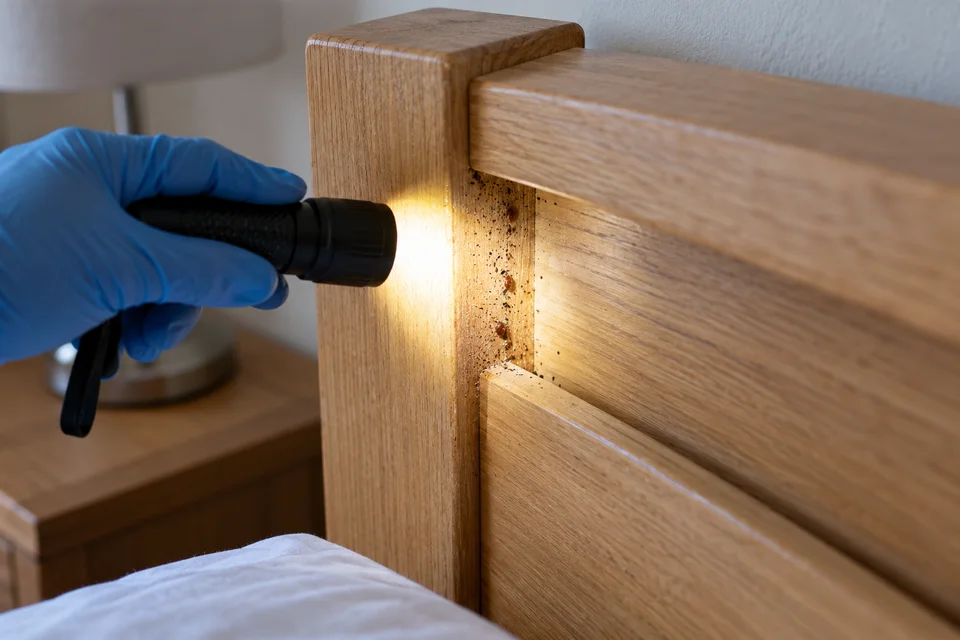
Bed Bug Treatment
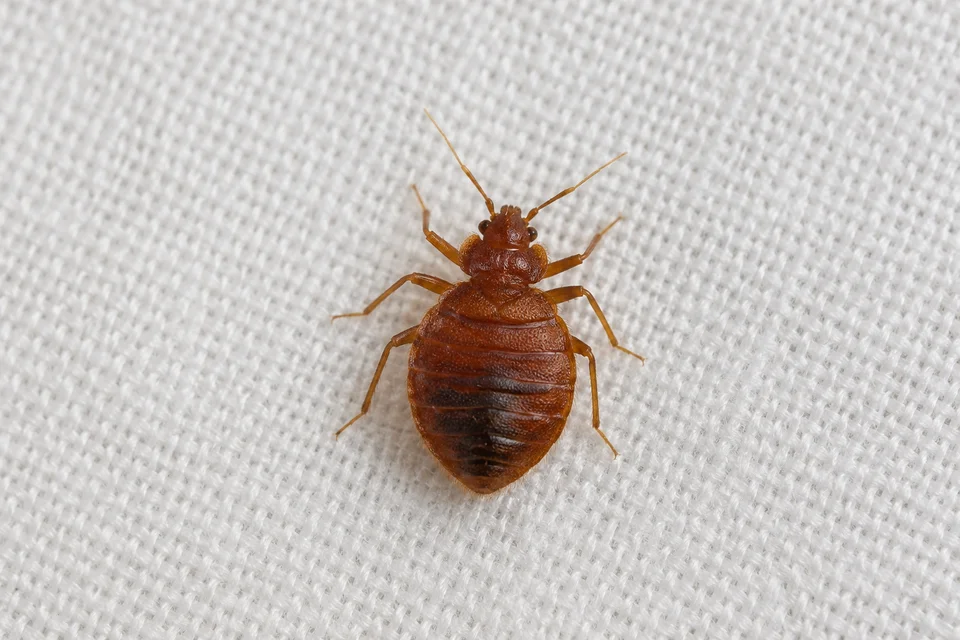
Bed bugs hide close to sleeping areas. An inspection checks seams, joints, headboards and nearby furniture for live insects, eggs and spotting. Targeted treatment depends on the findings; preparation and follow-up are discussed because hidden stages can remain after the first visit.

Bed Bug Heat Treatment
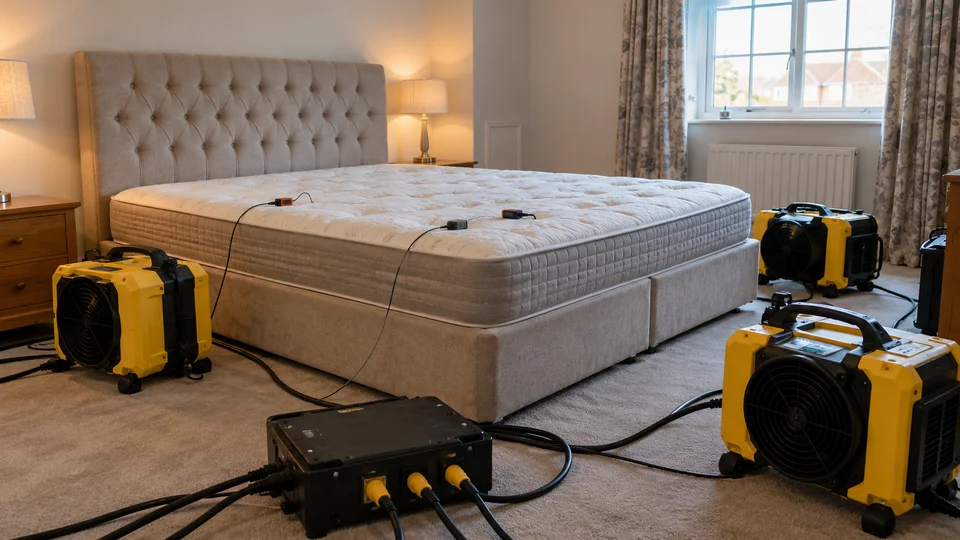
Heat treatment requires a suitability assessment. Room construction, belongings and access affect whether it is appropriate. Where offered, specialist equipment and temperature monitoring are needed throughout. The preparation plan identifies heat-sensitive items and explains how belongings should be handled afterwards.

Cockroach Treatment
Cockroaches favour sheltered spaces near warmth, water and food. Checks focus on appliances, pipework, cupboards and cracks. Monitoring, targeted gel bait or other suitable methods may be considered. Reducing accessible food and leaks supports control, particularly in shared or commercial premises.

Moth Control
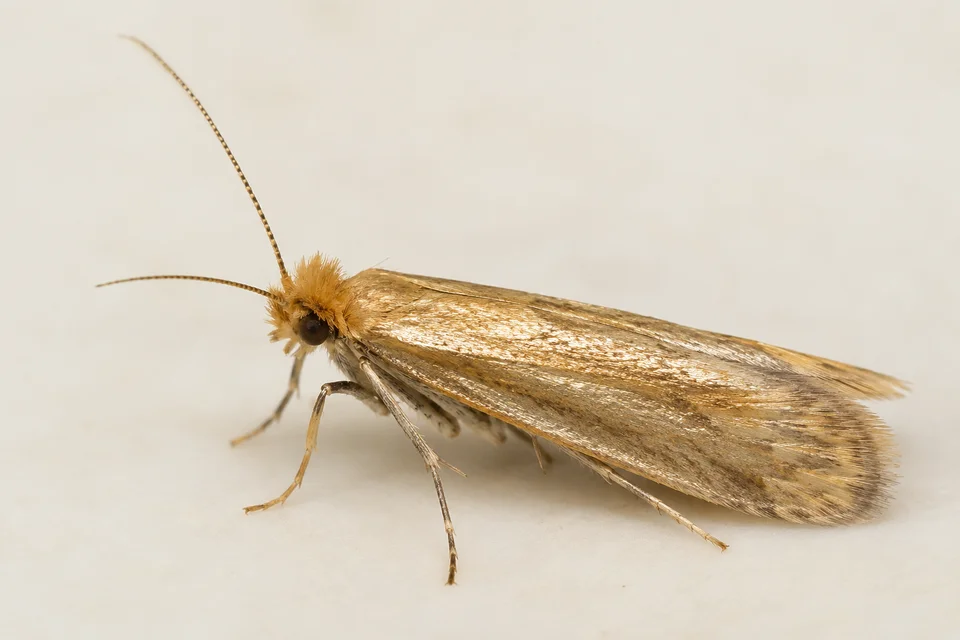
Clothes moth larvae damage susceptible fibres. We check affected textiles, carpet edges and undisturbed storage, and distinguish clothes moths from food-related species. Treatment may involve cleaning, textile care and targeted work around identified harbourages rather than spraying every surface.
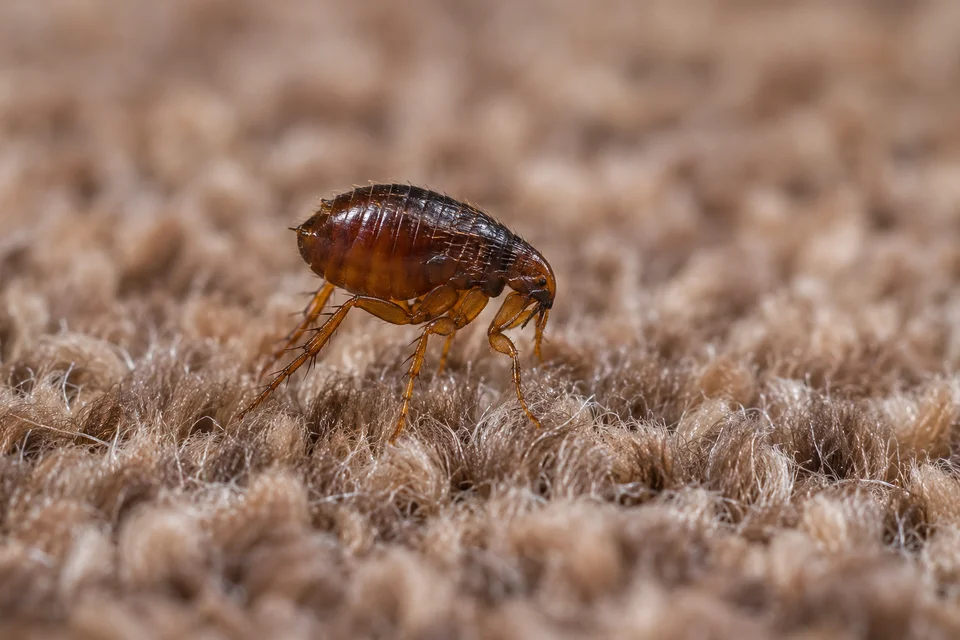
Flea Treatment
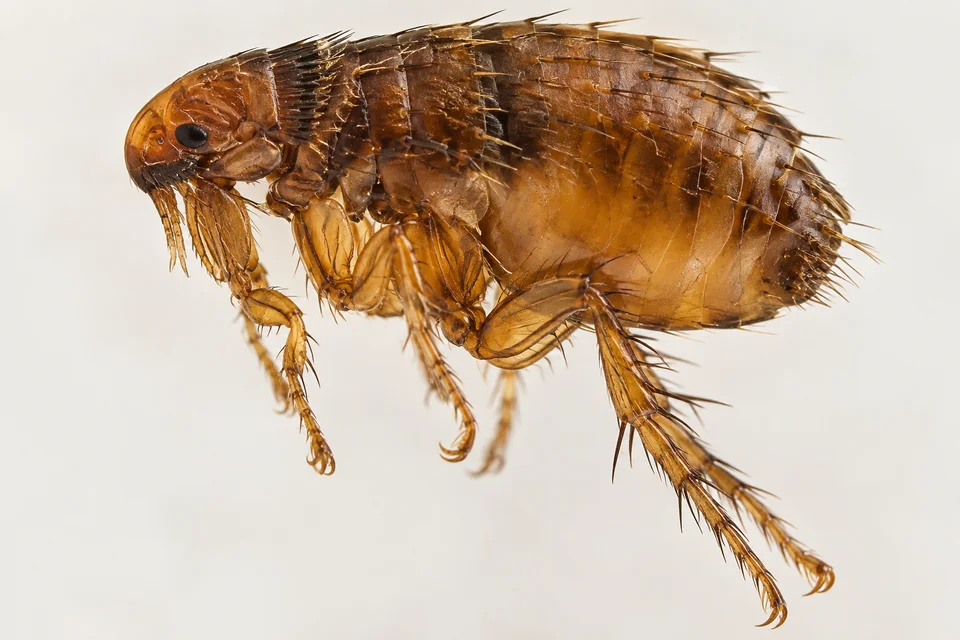
Fleas may develop in carpets, furniture and pet resting areas. We discuss animal contact and inspect where people are being bitten. Vacuuming and suitable environmental treatment may be recommended; pets need advice from a vet and should never receive a premises treatment product.
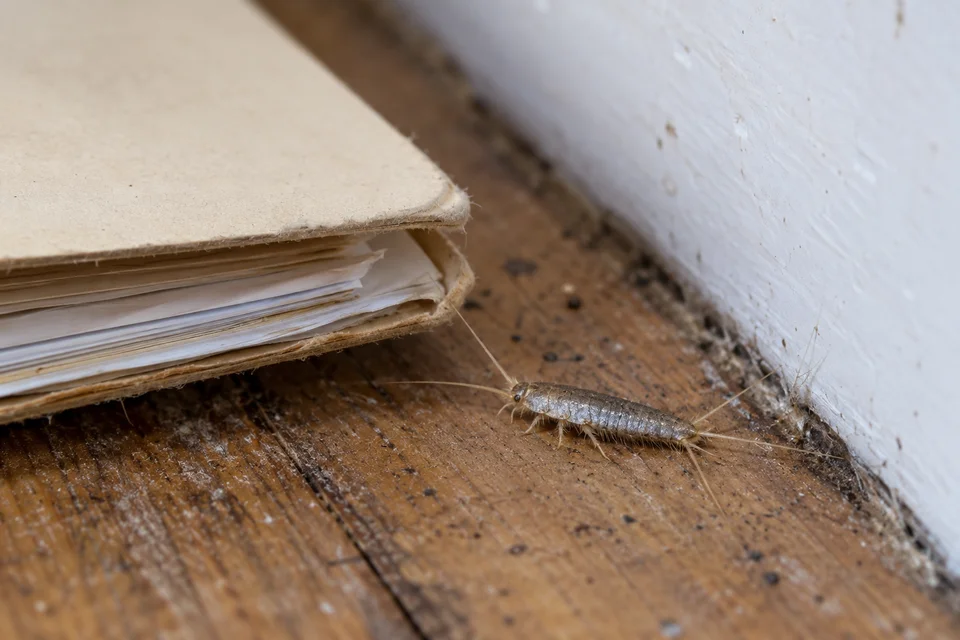
Silverfish Control
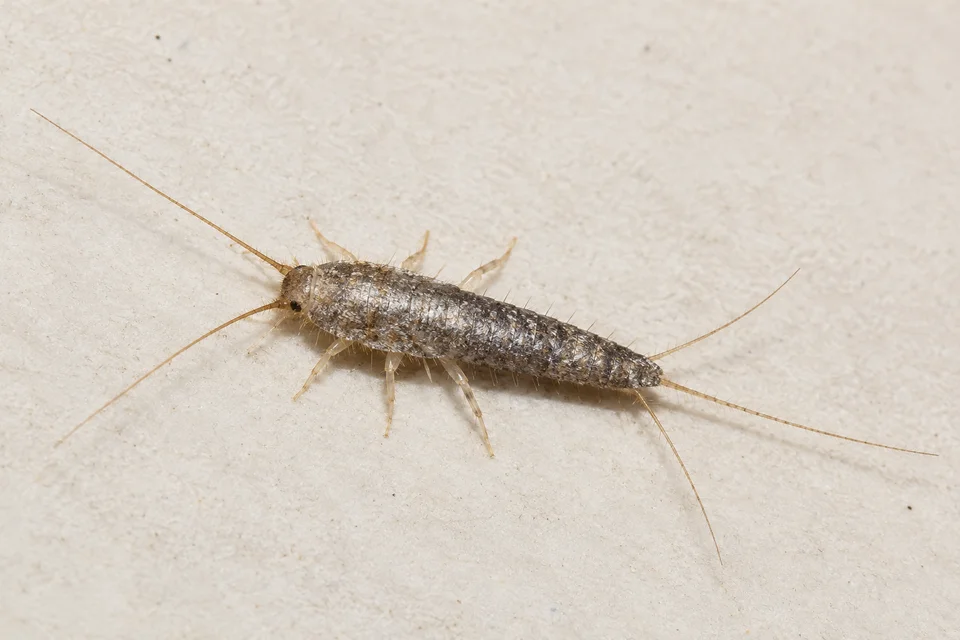
Silverfish activity can point to damp, sheltered conditions. Checks consider bathrooms, pipe boxing, floor edges and moisture sources. Treatment is selected for confirmed activity, while ventilation, leak repair and reducing damp hiding places can help limit the conditions supporting the insects.

Carpet Beetle Treatment
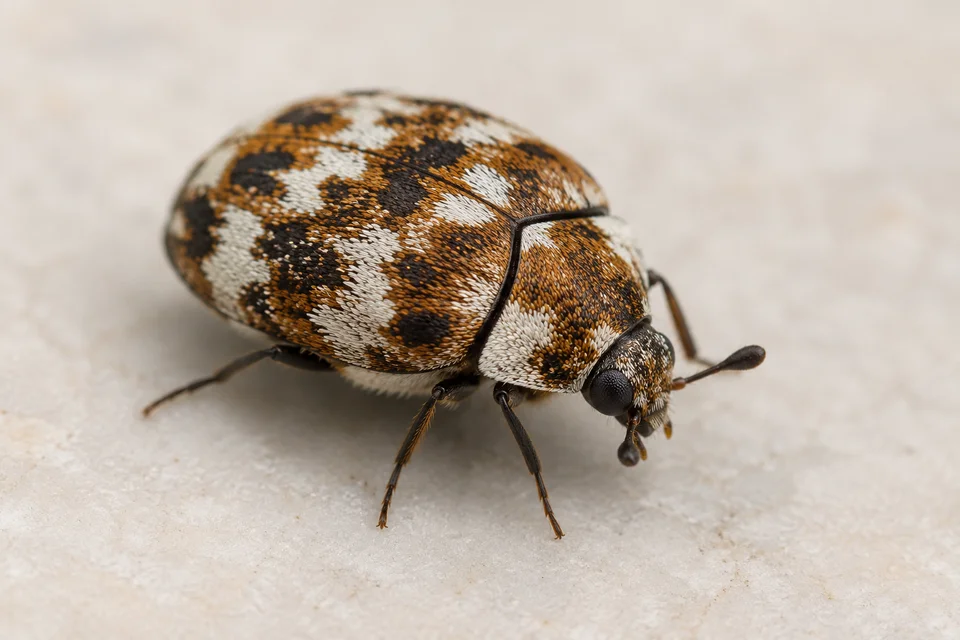
Carpet beetle larvae can damage wool, feathers and other animal-derived materials. We inspect affected fibres, accumulated lint and undisturbed edges, and consider possible sources such as old nesting material. Cleaning and removing the source are central to a targeted treatment plan.
The right method starts with the evidence
Professional pest control in Greenford should match the pest, its location and the people using the building. These options are examples, not a diagnosis or a promise that every property needs chemical treatment.
| Pest problem | What we inspect | Possible treatment | Follow-up |
|---|---|---|---|
| Mice & rats | Runs, droppings, access and food | Traps or secured bait where appropriate; proofing advice | Review activity as agreed |
| Bed bugs | Bed frames, seams and nearby furniture | Targeted treatment; assessed heat option | Check remaining activity |
| Cockroaches | Warm harbourages, moisture and food | Monitoring and targeted bait or suitable treatment | Review monitors and hygiene |
| Moths & carpet beetles | Larvae, damaged fibres and source material | Source removal, cleaning and targeted treatment | Inspect for continuing signs |
| Fleas | Carpets, bedding and resting areas | Vacuuming and suitable environmental treatment | Allow for emerging stages |
| Silverfish | Damp areas, cracks and pipe routes | Moisture management and targeted treatment | Check moisture and activity |
A little preparation makes the visit more useful
Rodent problems
Keep food in sealed containers and make waste secure. Leave accessible inspection routes clear, but avoid disturbing droppings or nesting material. Do not seal an active opening before assessment. Tell us about existing traps or bait and keep children and pets away.
Bed bugs and heat treatment
Avoid carrying furniture or loose bedding into other rooms. Ask for a specific preparation plan before laundering or moving belongings. Heat treatment requires separate instructions for sensitive items. Keep evidence for identification and mention previous products used.
Fleas, moths and carpet beetles
Note the rooms and materials affected. Clear enough floor space for inspection without transferring suspect items around the home. Vacuuming and textile care instructions depend on the pest and planned treatment. Speak to your vet if pets may be involved.
Cockroaches and silverfish
Explain where sightings occur and whether there are leaks or shared service routes. Store exposed food safely and allow access to affected cupboards if requested. Avoid other insecticides over treatment points. Ask which treated surfaces can be cleaned and when.
Emergency Pest Control Greenford
A rat in a food preparation area, repeated rodent sightings indoors or a spreading insect problem may justify a prompt assessment. Call and describe the pest, rooms affected, when activity started and any immediate concern. Mention access restrictions and control products already in place.
We discuss available visit options and preparation before confirming arrangements. Attendance times and treatment suitability are confirmed during the enquiry. Keep exposed food secure, restrict access to affected areas where practical and avoid handling pests or scattering products. Keep a clear photograph available if you can take one safely.
Call +44 20 3966 2380

Clear advice for the days that follow
The technician explains what was treated, which areas need to remain undisturbed and restrictions on access. Re-entry and ventilation instructions depend on the product and method; follow the specific advice rather than assuming a fixed waiting time. Ask where children and pets can safely go.
You may be asked to record sightings, leave monitors in position or change cleaning routines temporarily. Some pests can remain visible while treatment takes effect. The expected pattern and any review point should be clear. Contact us if activity changes unexpectedly. Follow-up work depends on the findings and agreed scope.
Prevention addresses the conditions identified: food access, leaks, gaps, waste or vulnerable materials. Building repairs may require a landlord or another tradesperson. Report renewed signs early so the cause can be reassessed.
Greenford, West London
Discuss an enquiry around Greenford Broadway, Greenford station or North Greenford. Give your postcode and property type so access and visit arrangements can be checked. The map shows the area, not an office location.
Choose whether to load the interactive area map.Loading the map sends your IP address and request information to OpenStreetMap. The map shows the Greenford service area, not an office address.
Unload Map removes the embedded map and its active link. It cannot undo data already sent.
Frequently asked questions
Can you identify a pest from a photograph?
A clear photograph can help, especially if it shows scale and where the pest was found. An inspection may still be needed to assess the extent and recommend treatment.
Will I need to leave during treatment?
This depends on the method, product and area. Tell us who uses the property and about pets. The technician explains any restrictions, ventilation and re-entry requirements.
Is every bed bug problem suitable for heat treatment?
No. Suitability depends on rooms, construction, contents and safe equipment access. Assessment is needed before a heat treatment plan and preparation instructions can be agreed.
Should I block a hole as soon as I see a rat?
Have the route assessed first. Closing an active opening without understanding movement can leave pests inside or shift activity elsewhere. Discuss proofing alongside control.
What helps with an emergency enquiry?
Give your postcode, suspected pest, affected rooms and when activity began. Mention food areas, children, pets and previous products. Attendance arrangements are confirmed on the call.
How is the price agreed?
The pest, property size, activity, access and method affect scope. Ask what the quote includes and how follow-up visits or additional work would be agreed.
Can treatment prevent pests returning permanently?
No property can be assumed permanently protected. Repairing access, managing food and moisture, and checking early signs help reduce risk. Recommendations should address the causes found.
Tell us what you have noticed
Call with your postcode and a brief description of the signs. We will discuss the next step and the information needed to arrange an assessment.
Call +44 20 3966 2380