
Rat Control Greenford
Rat control starts by connecting the signs inside with possible access outside. We investigate affected areas, discuss the safest suitable control and explain what monitoring or repairs may be needed to reduce continuing entry.
Call +44 20 3966 2380 When food areas need prompt attention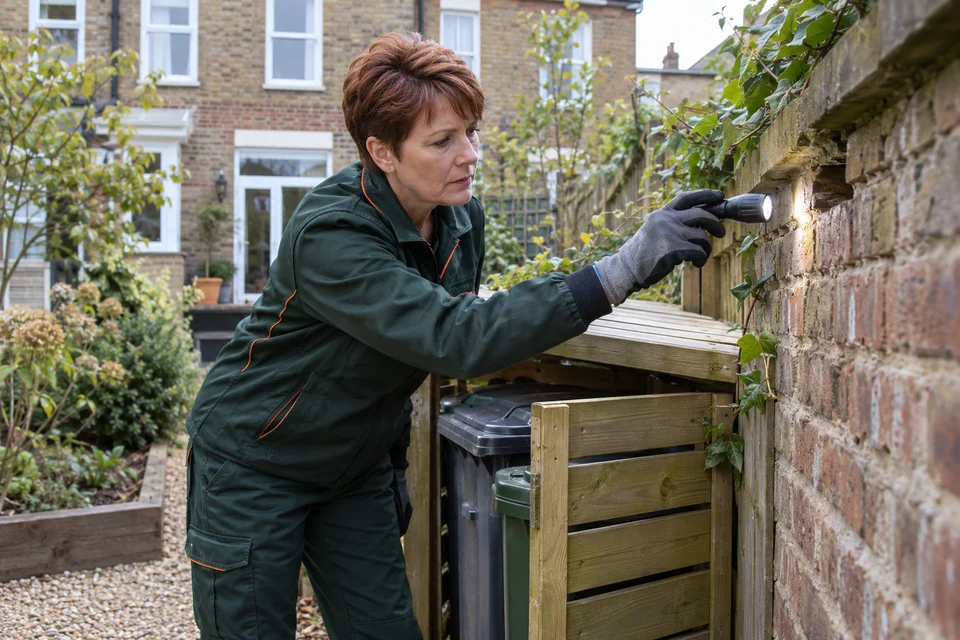
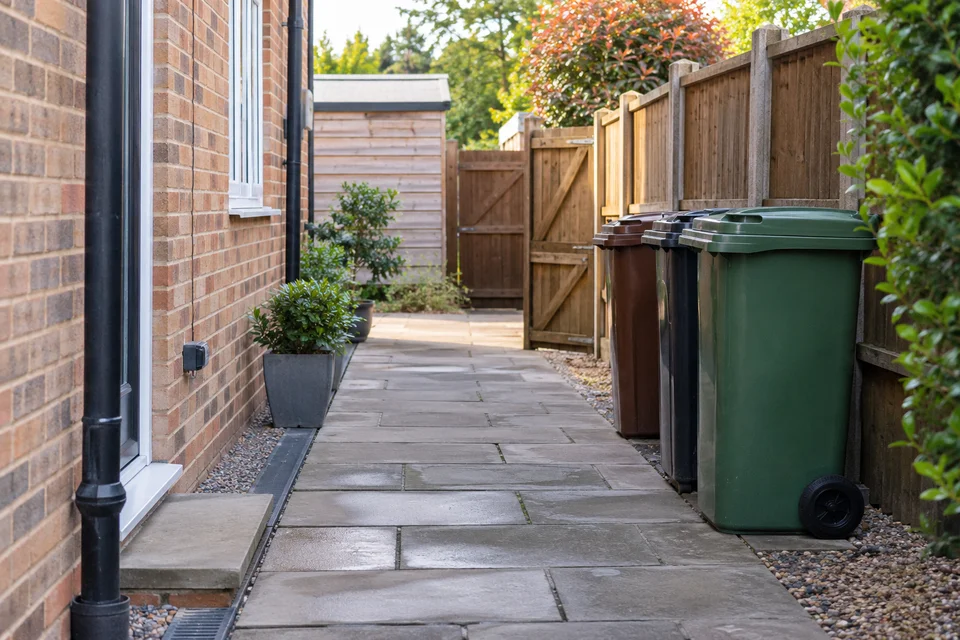
Investigate rat access
- Follow runs beside walls and structures
- Inspect accessible waste and storage areas
- Compare indoor signs with external openings
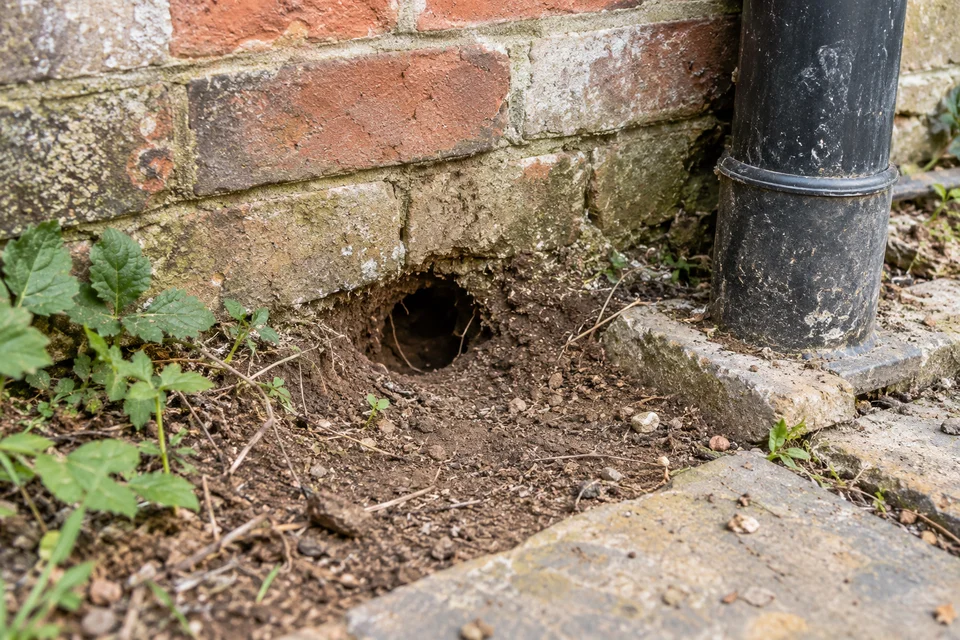
- Note suspected drainage-related access
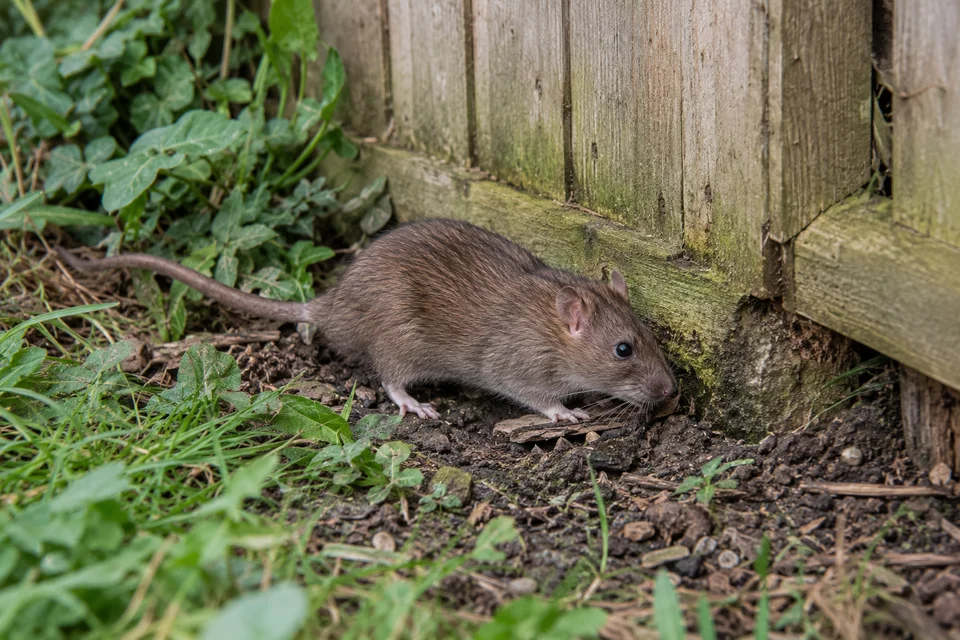
Manage confirmed activity
- Protect control points from non-target animals
- Review uptake alongside fresh evidence
- Separate building repairs from treatment scope
- Agree checks where food premises are affected
An indoor rat needs a clear assessment
A rat crossing a kitchen, repeated sightings near stored food or damage around a service pipe warrants a prompt enquiry. Tell us whether activity is indoors, outdoors or both, which rooms are affected and whether the premises handles food. We check available attendance options before confirming a visit. No arrival time should be assumed until it has been agreed.
Keep people and pets away from contaminated areas and make exposed food inaccessible. Do not corner a live rat or move a suspected nest. Photograph the location if it is safe to do so. If electrical cables or water services appear damaged, flag this separately; pest treatment does not certify or repair a damaged installation. An appropriate tradesperson may also need to attend.
We ask about gardens, neighbouring activity, bins and any history of drainage problems. These questions do not establish a cause by telephone. They help the technician plan the inspection and understand what access is available. For a broader view of our assessment-led work, see pest control in Greenford.
From the room to the likely approach
The indoor inspection considers concentrated droppings, smears along edges, gnawing and sheltered movement. Accessible storage, floor junctions and service penetrations are checked in relation to the places where you have noticed activity. The technician looks for a pattern rather than treating every dark mark as proof of a current infestation.
Outside, the assessment may follow runs beside fences, openings beneath structures and areas with available food or water. Waste containers, spilled bird food and clutter can be relevant, but a tidy garden does not rule out a route through the building. Burrows and openings need context: where they lead, whether there are fresh signs and what may be affected by intervention.
Some spaces cannot be safely accessed during a normal pest visit. We explain the limits around sealed floors, high roof edges and inaccessible cavities. Noise can travel through these spaces and is not enough to identify an animal. Smaller scattered signs may instead point towards mice control and kitchen-route inspection.

What an inspection can and cannot show
A useful inspection records both findings and unresolved questions. A visible opening is not automatically the main entrance, while rat signs near a drain do not prove a drainage defect. Where drainage is suspected, specialist investigation may be appropriate. That work, access permissions and any repair quotation must be distinguished from the pest-control scope.
Tell us about recent extensions, disused pipes, previous repairs and recurring activity after earlier treatments. Plans or photographs can help explain a concealed route, but current accessible evidence still matters. The inspection should leave you understanding why particular checks were recommended and which conclusions remain provisional.
| Observation | Relevant inspection | Limit to explain |
|---|---|---|
| Droppings near a pipe opening | Service route and connected rooms | An opening does not establish the full route |
| Runs beneath a garden structure | Shelter, burrows and nearby feeding | The hidden interior may remain inaccessible |
| Recurring signs near drainage | Visible pipe defects and history | A separate drainage survey may be needed |
| Gnawed wiring or leaking pipework | Location and immediate access restriction | Pest control is not electrical or plumbing repair |
Choosing measures and protecting access
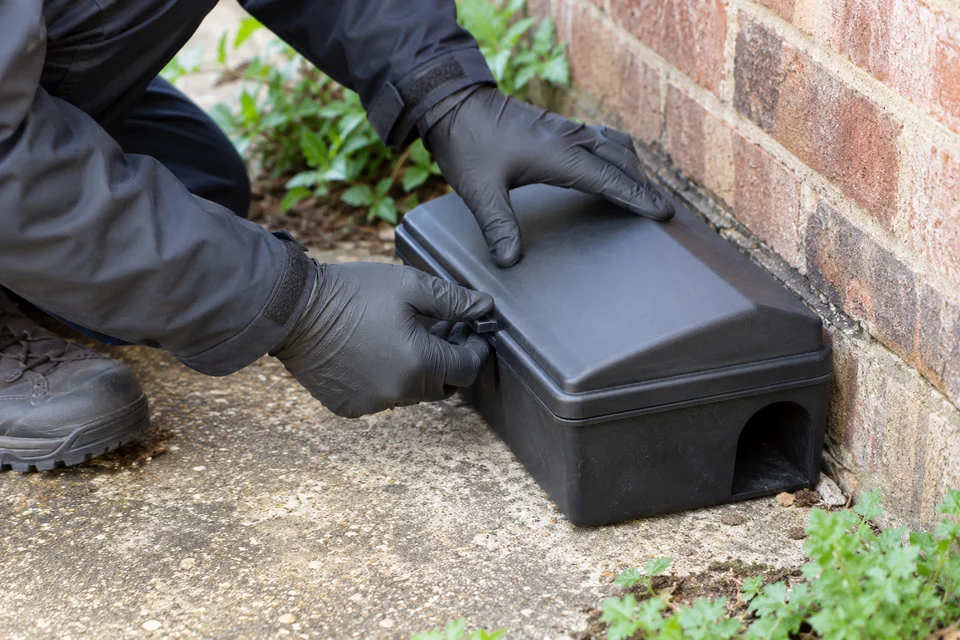
Suitable control may involve protected traps or authorised rodenticide where justified. The decision depends on the activity, the environment and the risk to people and other animals. The technician explains the proposed approach, the locations that need protection and what you should expect between visits. There is no universal reason to use the same equipment in every house and business.
Control points should be positioned with the observed movement in mind and protected from interference. Tell us about dogs, cats, pet rodents, garden wildlife and children. Animals that can open cupboards or enter storage spaces change the assessment. A locked room is only a useful restriction if everyone who uses the property knows it must remain controlled.
The programme needs a way to evaluate progress. Bait uptake on its own may not explain whether activity has ended, so it is considered alongside sightings and other signs. Where suitable traps are used, checking arrangements must be understood before placement. Do not relocate equipment, open bait stations or put additional poisons beside the treatment.
Prepare the premises for meaningful checks
Provide access to the affected rooms and any agreed outdoor areas.
Clear an inspection path without disturbing burrows, contaminated insulation or nesting material. Heavy stored items may conceal a route, but moving them can create handling risks. Describe any obstruction before the appointment so the practical limits can be discussed.
Secure food, feed and waste in suitable containers.
In a commercial kitchen, identify the person responsible for food safety and confirm when equipment can be accessed. Staff should know which areas are restricted and how to report sightings. Avoid leaving conflicting instructions from different occupiers; one clear record helps connect activity across a premises.
Do not dry brush or vacuum rat droppings or urine.
Ask for cleaning advice appropriate to the affected material and amount. Contamination of porous insulation or a large loft deposit may require specialist clearance rather than routine domestic wiping. Keep children away from the location and wash hands after possible contact with contaminated surfaces.
Mention any existing bait, including products placed by a previous occupier or contractor.
The technician needs to know what remains in the building before planning further treatment. If access depends on a landlord, neighbour or managing agent, arrange that permission early. A treatment inside one room cannot confirm that a shared external route has been resolved.
A review should explain the next decision
Keep a dated note of sightings and any new damage, especially if the location changes. Old signs may remain visible after activity falls, while fresh evidence elsewhere can suggest a route was missed or has changed. Photograph the exact area rather than simply reporting that the problem feels worse.
At review, the technician considers the control response, accessible routes and the work completed since the first visit. Continued activity may require a change to the investigation, not merely more of the same product. A proposed drainage check or repair should have an owner and a clear next step so it does not remain an indefinite recommendation.
Once the agreed programme is complete, control equipment and remaining products are dealt with in line with the plan. Ask what signs should prompt another enquiry and which repairs need periodic inspection. Outdoor feeding opportunities and damaged waste storage can recur even after the original activity has stopped.
| Task | Who needs to act | Useful record |
|---|---|---|
| Report sightings | Occupier or nominated site contact | Time, room and direction |
| Check agreed control measures | As arranged with the technician | Any disturbance or access problem |
| Arrange drainage investigation | Owner or authorised managing agent | Survey findings and repair scope |
| Maintain bins and food storage | Responsible occupier or business | Changes since the first assessment |
Reduce opportunities for another entry
Proofing should follow a considered assessment of active movement. Closing the wrong opening can displace rats into another part of a structure without addressing the real source. We explain the accessible gaps found and which repairs need a builder, roofer, plumber or drainage contractor. Essential ventilation and service access must remain functional.
Keep waste areas serviceable and report damaged doors, drain covers and service openings promptly. Where adjoining land or communal areas contribute, a coordinated response may be necessary. Neighbours can share information about dates and locations without handling equipment or entering someone else’s property.
The price depends on investigation time, the areas involved, access and the proposed control and review arrangements. Ask what is included and whether proofing, contaminated-material removal or specialist surveys are separate. The quotation should make those costs and responsibilities clear before any work is agreed. Contact us with your postcode and the rat signs so the scope and available visit arrangements can be discussed.
Rat Control: your questions
Do rats near a drain mean the drain is broken?
No. Rats can be associated with drainage, but sightings beside a cover do not demonstrate a defect. The technician considers the location and history and may recommend a separate drainage survey when the evidence supports it.
Can you inspect my neighbour’s garden as well?
Only with the necessary permission and safe access. Tell us if activity appears to cross a boundary. A shared investigation can be useful, but it is not automatically part of an appointment for your own property.
Is a daytime rat sighting proof of a large infestation?
It is a useful observation, not a reliable population count. Record the time and place. Food availability, disturbance and individual behaviour can affect sightings, so other evidence is needed to assess the scope.
Will you repair damaged pipework during treatment?
Repairs are separate unless expressly agreed and within the available service scope. Suspected damage is explained so the appropriate plumbing, drainage or electrical trade can assess it. Control does not certify that an installation is safe.
Should I close a burrow straight away?
Ask for assessment first. The burrow may be active or linked to another space, and closing it can change movement. Keep people and pets away rather than digging, flooding or applying products into it yourself.
What information helps with a food-business enquiry?
Explain the food areas involved, staff access, opening hours, waste arrangements and any immediate restrictions. Tell us who can authorise work. A site-specific plan needs to fit the premises and its hygiene responsibilities.