
Cockroach Treatment Greenford
Cockroach activity needs a search for the places insects shelter, feed and move. We assess affected kitchens, bathrooms and service routes in Greenford, then discuss targeted treatment, preparation and monitoring suited to the findings.
Call +44 20 3966 2380 How monitoring guides treatment
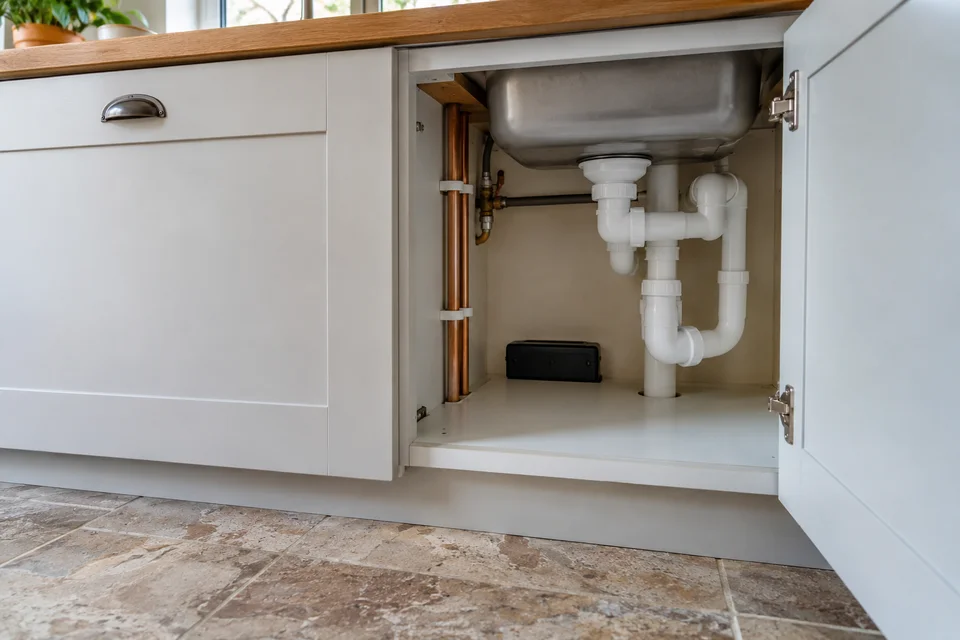
Find the harbourages
- Check warm appliance recesses
- Inspect sink units and pipe gaps
- Look for nymphs and egg cases
- Map sightings across adjoining rooms
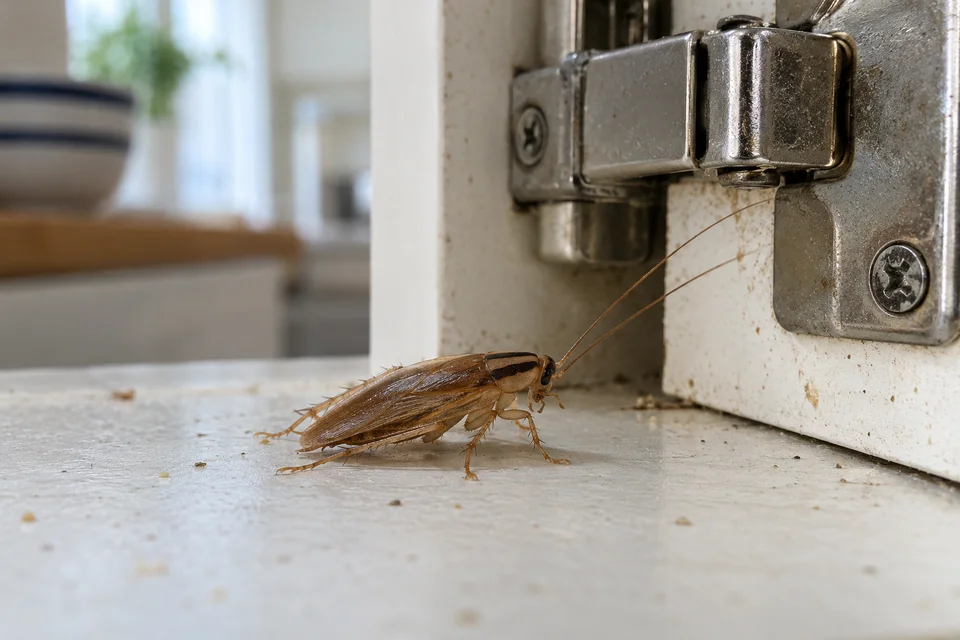

Target active areas
- Choose accessible bait locations
- Protect food and preparation surfaces
- Explain cleaning around treatment points
- Review numbered insect monitors
A kitchen survey that goes beyond the sighting
Tell us where cockroaches have appeared, at what time, and whether you have seen small insects as well as adults. The inspection starts in those areas and follows accessible adjoining spaces. A torch helps reveal the backs of cupboards, appliance recesses and sheltered joins. We look for live insects, droppings, shed skins and egg cases rather than treating every dark corner on assumption. A clear photograph or contained specimen may help identification.
The position of a sighting does not necessarily reveal the main harbourage. Warm equipment, moisture and narrow voids can support activity out of view. We discuss whether removable plinths or safe appliance access are available. Heavy appliances and electrical equipment are not pulled apart without an agreed safe arrangement. If access is restricted, the limitation is recorded and the plan explains what can be assessed now and what needs separate access.

Distinguish the insect and establish the spread
Cockroaches and some beetles can be confused in a hurried sighting. The technician considers body shape, antennae, markings and life stage, alongside the location. Identification affects which harbourages deserve attention. In a property with several sightings, we compare rooms and ask about shared walls, communal refuse areas and recent appliance deliveries. We do not assume that one kitchen visit covers an entire block or adjacent business.
Live insects, young stages and repeated monitor catches help distinguish current activity from old marks. If the evidence is unclear, a period of monitoring can be more useful than applying a product immediately. Our Greenford pest control homepage explains the wider inspection approach. The specific treatment proposal follows the cockroach evidence found here, not the general appearance or cleanliness of a property.
What each finding means for the next step
The survey separates the place insects were noticed from the places they may be living. This table shows how accessible evidence can influence work. It is a guide to assessment rather than a diagnosis from one sign. Several findings may need to be considered together before the technician recommends a method.
Tell us about powders, aerosols or bait already used, including their positions if known. Previous products can affect treatment choices and how new results are interpreted. Keep packaging or photographs available for the discussion. Do not move unidentified chemicals into different containers or apply more product while waiting for a treatment plan.
| Finding | Area to examine | Response to discuss |
|---|---|---|
| Young cockroaches near a fridge | Accessible motor recess and nearby joins | Assess a nearby breeding harbourage and safe access |
| Activity beside a sink | Pipe penetrations, cupboard corners and moisture | Check leaks and choose protected treatment positions |
| Catches in several rooms | Connecting service routes and shared boundaries | Extend monitoring rather than assume one isolated spot |
| Insects after an appliance delivery | The appliance and surrounding storage | Check the introduction route without scattering contents |
Choose treatment for the kitchen and its use
Where suitable, a cockroach plan may use gel bait at protected positions near activity. Monitors help show where insects are moving and whether the response is changing. Other authorised methods may be considered where the species, location and access justify them. The technician explains the proposed approach and any limits before work starts. Treating a kitchen is not a reason to apply insecticide to food, utensils or every visible surface.
Placement matters. Bait must be positioned where the target insect can encounter it while remaining protected from inappropriate contact. Preparation may include making selected cupboard edges accessible and addressing competing food sources. Do not spray over bait points or scrub them away unless instructed. Cleaning still matters, but the advice distinguishes routine hygiene from disturbing specific treated locations. If activity is actually from another insect, such as the moisture-associated insects covered by silverfish control, the method changes.
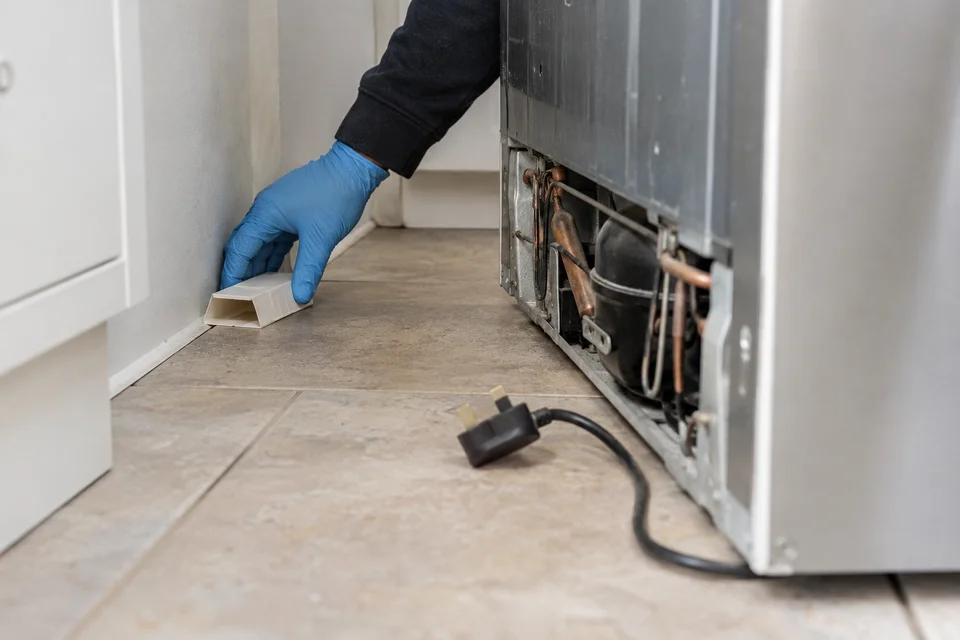
Make access useful without moving the infestation
Clear enough space to inspect the affected units and let us know about fixed kickboards or an appliance that cannot be moved.
Store exposed food and put utensils away as advised. Avoid carrying suspect appliances or loose cupboard contents into other rooms. The preparation plan should be proportionate: emptying an entire home without a reason can create unnecessary work and spread insects.
Explain who uses the rooms and mention children, pets, aquariums and any specific needs before treatment is arranged.
A food business also needs to discuss trading hours, food storage and access for staff. Restrictions and re-entry depend on the actual product and application, so there is no single waiting period printed here. Ask for clear instructions about the treated areas, ventilation and when normal use can resume. Arrange a responsible person to receive and retain those instructions.
Numbered monitors turn sightings into usable evidence
A monitor is useful when its location and checking dates are known. The technician may place insect monitors along sheltered routes and record their positions so catches can be compared. Leave them where instructed. Moving a monitor into the middle of a room or disposing of it because it has caught an insect removes information needed for review. Tell us if cleaning or building work makes its original position unusable.
Follow-up considers the species, life stages and pattern of catches alongside your observations. Fewer sightings alone do not establish that every harbourage is clear. Continued young insects, new areas of activity or restricted access may justify further assessment. The table explains the information to keep; an agreed review is based on evidence and scope, not an automatic promise of a fixed number of visits.
| Record | Useful detail | Why it helps |
|---|---|---|
| Sightings | Date, room and position near an appliance or unit | Tests whether activity remains concentrated |
| Monitor condition | Number, position and whether it was disturbed | Keeps comparisons meaningful |
| Cleaning or repairs | Areas washed, leaks repaired or plinths removed | Explains changes in access and treatment conditions |
| Further treatment | Any other product used and its location | Helps avoid conflicting applications |
Food, moisture and neighbouring areas
Persistent food residues and available water can undermine control. The inspection may identify cleaning beneath equipment, more secure waste storage or a leak needing repair. The recommendation should name a practical location rather than simply tell you to clean more. In rented accommodation or shared premises, some actions may need a landlord, managing agent or maintenance contractor. Agree who will arrange access and who will check that the work is complete.
Cockroach sightings in a food preparation area warrant prompt discussion. Describe the area, whether food is exposed and whether activity is spreading. We confirm available assessment arrangements directly; no round-the-clock attendance or same-day arrival is assumed. Avoid moving food equipment between rooms while seeking help. If you are unsure which service is relevant, contact us with the sightings and postcode so the enquiry can be directed to the right assessment.

What affects the cost of cockroach treatment
A quotation depends on the rooms involved, the type and extent of activity, safe access to harbourages, preparation and the monitoring or follow-up proposed. A compact domestic kitchen and a working food premises need different arrangements. Tell us about communal service routes and adjoining units so the quoted area is clear. Ask for the assessment, treatment and monitoring included in your quotation.
Ask which visits, monitors and reports are included, whether any maintenance is outside the treatment scope, and how additional areas would be agreed. Keep the preparation and aftercare instructions with the quotation. If another fabric pest has been found in a different room, explain that separately: carpet beetle treatment follows a different source investigation. Separate evidence avoids adding unnecessary cockroach treatment to an unrelated problem.
Cockroach Treatment: your questions
Does a daytime cockroach mean the whole building is infested?
A daytime sighting deserves investigation but cannot establish the size of a problem on its own. Species, life stages, harbourages and monitor results help determine the affected area and whether adjoining spaces need access.
Should I empty every kitchen cupboard?
Wait for the preparation instructions. Access may be needed to particular corners, pipe routes or plinths. Moving all contents without a plan can be unnecessary and may transfer insects to other parts of the property.
Can I keep using an aerosol alongside gel bait?
Tell the technician about any products before applying more. Spraying or cleaning treatment positions can interfere with a bait programme. Follow the instructions for the specific plan rather than combining products independently.
Why are the insect monitors left after treatment?
They help record movement and show whether activity remains in the same locations. Their value depends on leaving them in the agreed positions and reporting catches or disturbance at the review point.
Do you need access to the neighbouring flat?
Not in every case. The survey considers shared walls and services, sightings and monitoring results. If adjoining access is relevant, we explain the reason and discuss arrangements with the people responsible rather than assuming permission.
When can the kitchen be cleaned normally again?
The answer depends on what has been applied and where. Ask which surfaces need to remain undisturbed and which can be cleaned as usual. Food hygiene advice and treatment-point instructions should be explained together.