
About Our
Pest Control Service in Greenford
Our service brings the inspection, treatment decision and practical aftercare together. We start with the evidence in your property, explain what can be assessed and discuss a suitable next step for the people using the building.
Call +44 20 3966 2380 See how we assess a problem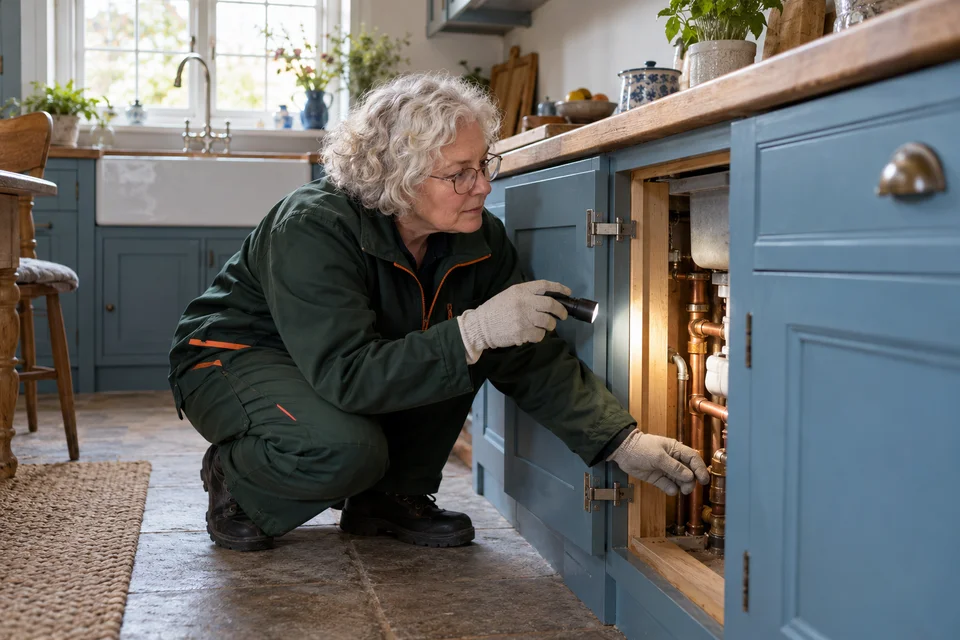
Understand the evidence
- Ask where the signs first appeared
- Check accessible shelter and entry routes
- Discuss the extent before choosing a method
Explain the next step
- Match treatment to the identified problem
- Explain preparation and room-use restrictions
- Agree how activity will be reviewed
The enquiry gives an inspection its starting point
When you call Greenford Expert Pest Control, begin with what you have noticed: an insect, droppings, damage, a noise or a recurring sighting. The room and date matter as much as a suspected pest name. A photograph may help, but an enquiry cannot establish every hidden source or confirm the full extent without examining the property.
We discuss the building, who uses it and the access available. During an inspection, the technician compares your observations with physical evidence and considers adjoining areas where relevant. Identification comes before a treatment recommendation. If signs are old or unclear, further observation may be more useful than immediate application. The proposal should explain the findings, the method being considered and the limits of the accessible survey.

Look where activity can remain out of view
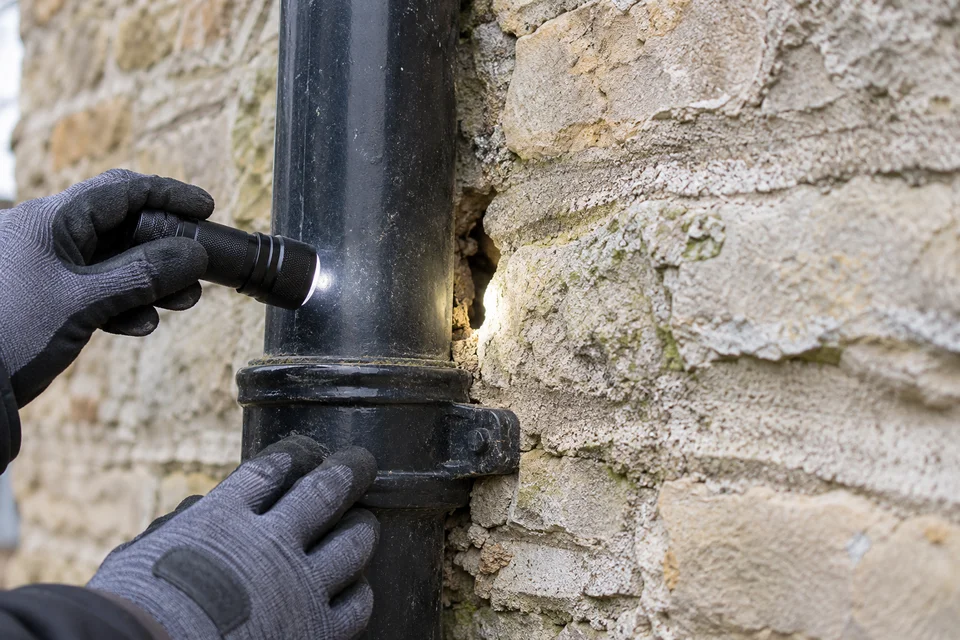
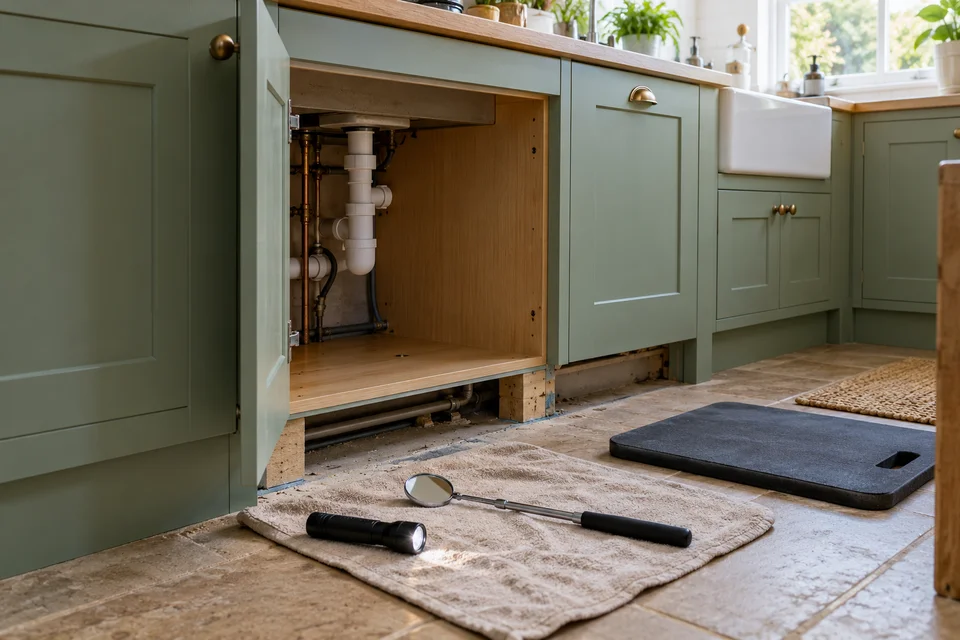
Accessible cupboard bases, skirting gaps, pipe penetrations, mattress seams or carpet margins can each matter, depending on the suspected pest. A torch and close examination help distinguish live activity from loose debris or old marks. The inspection follows relevant evidence rather than checking every room in exactly the same way. Your account of where signs recur helps focus that search.
Furniture, fixed panels and appliances are considered with safe access in mind. Tell us about anything that cannot be moved or opened. We do not assume that visible treatment reaches an inaccessible void, and any limitation should be clear. Photographs and location notes can help explain a route or sheltered area that needs further access. Roof spaces, shared services and building repairs may require separate arrangements.

A suitable method follows the problem
The same sighting count can mean different things for different pests. A treatment decision considers the species, life stage, room, materials and people using the property. The examples below show why inspection, control and review need to be linked; they are not a promise that every method is required in every home.
Where an authorised product is proposed, its permitted use and the site conditions guide application. Nonchemical measures, source removal and repairs may also be relevant. We explain how these parts fit together so the customer can distinguish treatment work from changes that need a landlord, cleaner or another tradesperson.
| Pest problem | Inspection focus | Treatment considerations | Follow-up |
|---|---|---|---|
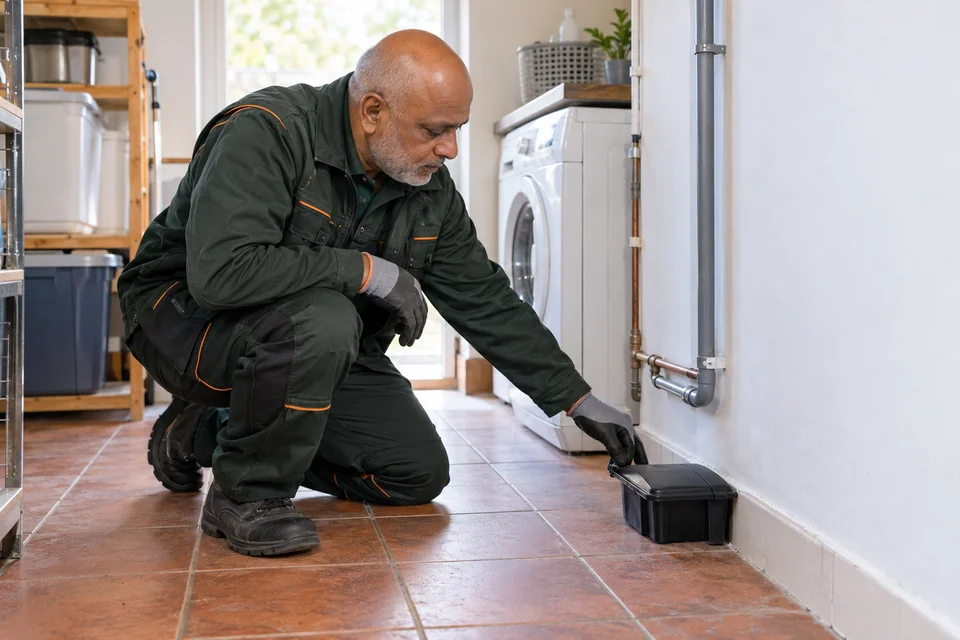
| Mice and rats | Activity routes, food and openings | Suitable traps or secured bait; access and proofing | Compare new signs and monitor findings |
| Squirrels | Roof access and species evidence | Lawful methods, safe access and dependent young | Check access before agreed repairs |
| Bed bugs | Sleeping areas and nearby hiding places | Targeted method or assessed heat option | Review continuing activity and preparation |
| Cockroaches | Warm shelter, moisture and service routes | Suitable bait or other targeted control | Compare monitor positions and catches |
| Moths and carpet beetles | Larvae, fibres and source material | Cleaning, item care and suitable edge treatment | Look for live stages or fresh damage |
| Fleas | Animal resting areas and floor access | Premises work alongside appropriate veterinary care | Consider emergence and specific aftercare |
| Silverfish | Sheltered edges and room conditions | Targeted control with relevant moisture action | Review sightings and maintenance changes |
Plan around the people and the working space
In a home, the preparation may involve a bedroom, kitchen cupboard or pet resting area. In a commercial property, access may need to fit around staff, food handling, storage or customers. Tell us who can authorise the work and receive instructions. A clear named contact helps keep preparation, access and any maintenance recommendations connected.
Children, pets, aquariums and particular household needs should be discussed before a method is arranged. The technician explains which areas require protection or restricted access and when they can return to use. These instructions depend on the actual application. Do not assume that a waiting time from a previous treatment applies again. Keep the advice available to other occupants and anyone responsible for cleaning.

Preparation should have a clear purpose
Making the right area accessible is more useful than moving belongings without a plan. Ask which cupboard, floor margin or piece of furniture needs attention. Moving suspect fabrics or appliances through other rooms can spread material that the inspection needs to assess in place. Explain any mobility or handling limits so suitable arrangements can be discussed.
Tell us about previous traps, bait, sprays or powders, including their positions and product details where available. That information can affect the proposed method and later interpretation of activity. The relevant Before You Call guidance sets out the useful details. If an instruction is unclear or cannot be followed, raise it before the visit rather than improvise a different treatment or preparation routine.
Make the findings useful after the visit
At handover, ask what was found, which locations were treated and which areas could not be assessed. You should understand any cleaning, ventilation or room-use restrictions for the specific method. A sighting record may be helpful, especially if a monitor or an agreed review point forms part of the plan. Report the room, date and actual sign rather than only a general impression.
Prevention recommendations address the conditions identified: a food source, leak, entry gap, hidden debris or vulnerable storage. Some actions sit outside pest treatment and need another person to complete them. Follow-up depends on the evidence and the agreed scope. No building can be assumed permanently protected, so renewed signs should prompt a fresh assessment rather than an unsupported guarantee.
Find the inspection relevant to your concern
Each service explains its own preparation, treatment considerations and aftercare. Choose the page closest to the evidence you have found; if identification is uncertain, describe the signs during the enquiry rather than selecting a product yourself.
- Mice Control
- Trace small entry routes and indoor activity, then consider suitable control, food storage and practical proofing.
- Rat Control
- Assess runs, openings and feeding signs, including situations where drainage or separate building investigation may be relevant.
- Squirrel Control
- Examine roof-space evidence and access before discussing lawful control, dependent young and the timing of repairs.
- Bed Bug Treatment
- Inspect beds, furniture and sheltered joins, with preparation and review shaped by the extent of confirmed activity.
- Bed Bug Heat Treatment
- Assess heat suitability, contents and equipment access, with preparation, monitoring and safety decisions made before work.
- Cockroach Treatment
- Follow warm harbourages and service routes, then use suitable targeted control and monitor records to review activity.
- Moth Control
- Investigate damaged textiles and hidden larvae, linking item care, source cleaning and appropriate monitoring.
- Flea Treatment
- Assess floor areas and animal resting places, coordinating premises preparation and aftercare with veterinary pet care.
- Silverfish Control
- Inspect sheltered edges and room conditions, separating targeted pest work from repairs or moisture management.
- Carpet Beetle Treatment
- Search for larvae, shed skins and animal-derived food sources before agreeing cleaning and treatment of affected areas.
Start with the signs you have noticed
Our homepage introduces the Greenford service, while the individual pages explain specific pest problems. When you are ready to enquire, give your postcode, the rooms affected and any access restrictions. Ask what an assessment or quotation includes and how additional work would be agreed. Visit arrangements and treatment suitability are confirmed through that discussion.