
Flea Treatment Greenford
A flea treatment needs to account for the rooms animals use and the stages hidden away from the animal. We inspect the evidence, agree floor preparation and explain how household treatment works alongside veterinary care and aftercare.
Call +44 20 3966 2380 Understand the aftercare plan
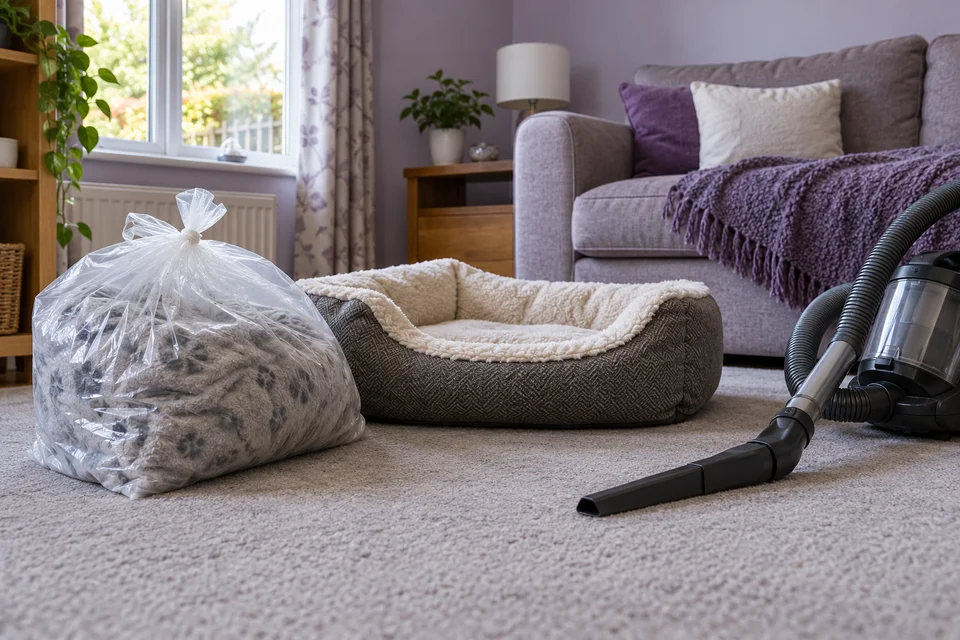
Trace the resting areas
- Identify insects before treating bites
- Map carpets used by pets
- Inspect sofas and resting corners
- Ask about previous animal occupancy
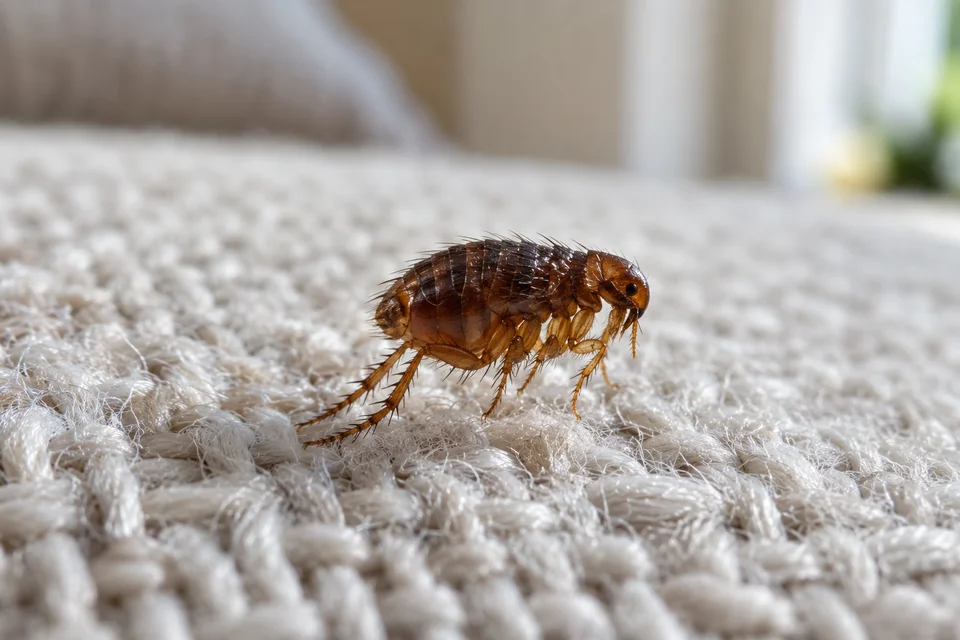

Plan for emerging stages
- Clear access to floor margins
- Coordinate pet care with a vet
- Confirm room re-entry instructions
- Record activity during the review period
Get the floor ready for a useful visit
A flea enquiry often involves a room that is still being used daily. Before the visit, explain which rooms pets enter, where they sleep and whether any areas are difficult to clear. The preparation instructions may include lifting small belongings from the floor and making accessible margins available. Do not move suspect bedding and floor clutter into a previously unaffected room simply to make space.
Vacuuming before a planned treatment may be recommended to remove debris and support access to the floor. The timing and disposal instructions should be clear, particularly if another product has already been applied. Ask before washing or shampooing a carpet immediately before work, because the condition of the surface can affect the plan. The technician needs to know which areas have been prepared and which remain inaccessible. The aim is usable access, not unnecessary dismantling of the home.

Bites alone cannot identify the pest
We ask what has been seen as well as where people report irritation. A small jumping insect, a safely contained specimen or a clear photograph can support identification. Skin marks alone cannot establish that fleas are present or show which rooms need treatment. If no insect evidence is available, inspection and suitable monitoring may be the next step rather than applying an insecticide on assumption.
The history matters. A recently acquired animal, visiting pet or previous pet occupancy can help explain the pattern without proving it. Tell us about animal sleeping places, carpets, rugs and upholstered furniture. Where the evidence points to another pest near beds, bed bug treatment involves a different inspection. We keep these possibilities separate so a household is not given conflicting preparation instructions for an unconfirmed problem.
Assess rooms through the flea life cycle
Adult fleas are only part of the investigation. Immature stages can be associated with the places animals rest and the surrounding floor environment. This is why the technician asks about room use rather than checking the animal alone. Accessible carpet edges, beneath furniture, upholstery joins and pet bedding areas may all be relevant to the survey. We also discuss rooms that have been left unoccupied.
The extent of preparation should follow that assessment. An unused room with a historical pet bed may still be relevant, while a room with no evidence or animal access should not automatically be treated. Keep a simple room list and explain where sightings have occurred. The survey combines that record with the physical evidence to decide the area needing attention and the treatment options suitable for its surfaces.
| Area | Evidence or history | Decision it supports |
|---|---|---|
| Pet sleeping corner | Bedding position and repeated sightings | Assess the surrounding floor and nearby shelter |
| Sofa and rug | Animal use and insects seen near seating | Check accessible joins and adjacent floor space |
| Previously vacant room | Former pet use and first activity after reoccupation | Include historical resting areas in the investigation |
| Hard floor margins | Gaps, debris and activity around edges | Match access and surface suitability to the plan |
Premises work and veterinary care have different roles
A treatment for the rooms does not replace suitable care of an animal. Speak to a vet about appropriate flea management for pets and tell the technician what has already been used and when. Never apply a product intended for carpets or premises to an animal. Different animals can need different veterinary products, so the household plan should not assume that one product suits every pet.
We discuss how bedding and resting areas will be handled while the animal is cared for. This helps prevent cleaned items being returned to an unchecked position. If there are no pets now, explain whether pets lived in the property previously or visit regularly. The investigation should consider that history rather than dismiss the enquiry. Our Greenford pest control overview describes the broader evidence-led approach when the insect has not yet been identified.

Choose and apply the environmental treatment
Where fleas are confirmed, the technician considers an authorised environmental treatment suited to the affected rooms and surfaces. A proposed method may involve a residual treatment, with other appropriate measures selected according to the findings. The choice accounts for access, previous applications, household occupants and the animal-care arrangements. We explain which areas will be treated and the limitations before application starts.
Food, utensils and belongings should be protected as instructed. Tell us about aquariums, sensitive animals and any particular access needs early enough to plan the visit. Occupants and pets may need to remain out of treated areas until the specified conditions are met. Re-entry and ventilation instructions depend on the product and method; do not rely on a fixed waiting time from another household. Keep the written advice for everyone using the property.
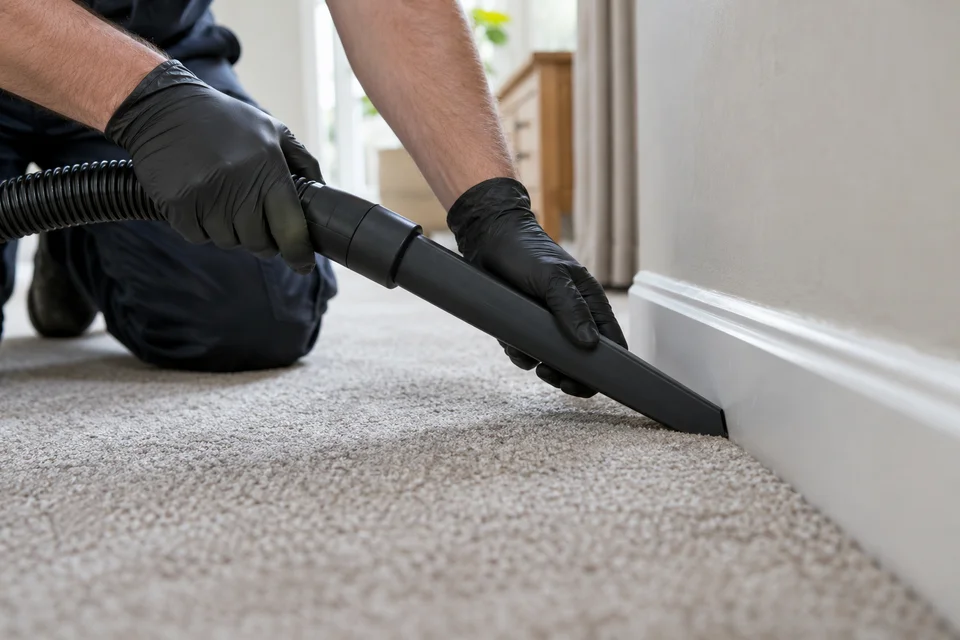
Why a review considers emerging fleas
Some flea stages are sheltered in the environment, so seeing an insect after treatment does not by itself explain whether the plan has failed. The technician should discuss the expected pattern for your circumstances and when to report continued activity. Keep notes of dates, rooms and approximate numbers rather than making repeated unplanned applications. A record makes a later assessment more useful than a general impression that the problem is unchanged.
Cleaning instructions need to match the actual treatment. Vacuuming can be useful before work, but cleaning too soon afterwards can disturb a residual application. Ask exactly when normal vacuuming, carpet washing and room use should resume. Follow the advice given for the product used, and contact us if it is unclear or impossible to follow. The review looks at activity, preparation, animal care and any areas that could not be reached.
| Action | Confirm before doing it | Reason |
|---|---|---|
| Return people and pets | The stated re-entry and ventilation conditions | Restrictions depend on the applied method |
| Vacuum treated carpet | The cleaning interval in your instructions | Avoid disturbing a treatment prematurely |
| Wash animal bedding | The agreed timing and suitable care method | Coordinate clean bedding with the household plan |
| Request another application | Sightings record and agreed review point | Reassess evidence instead of layering products |
What to report if activity continues
Report the room and position of any continuing sightings, whether an insect was captured, and whether the pattern has changed.
Mention if a previously inaccessible area has become available. Tell us if another pet has visited or if bedding and furniture were moved after the treatment. These details help distinguish an access issue, continuing emergence or another source requiring investigation.
An additional visit may be appropriate, but its need and scope depend on the evidence and what was agreed.
Do not assume a guaranteed number of visits or a universal clearance date. If the main signs are damage and hairy larvae rather than jumping insects, the inspection for carpet beetles may be relevant instead. The next action should follow identified activity rather than irritation alone.
Discuss the rooms, preparation and scope
The quotation is influenced by the affected floor area, number of rooms, type of surfaces, furniture access and follow-up arrangements. Preparation requirements and any limitations should be explained before the visit is confirmed. Treatment of pets is outside a premises-treatment service and should be arranged with the appropriate veterinary professional. Confirm the agreed scope and price before work begins.
For a pressing enquiry, give the postcode, evidence seen, rooms affected and whether children or pets use them. Availability and visit arrangements are confirmed during your enquiry. Call to discuss the flea evidence and access, and keep any specimen or photograph available. Before agreeing work, ask what the quoted treatment covers, how aftercare will be explained and how a further review would be arranged if activity persists.
Flea Treatment: your questions
Can there be fleas when I do not own a pet?
Yes, animal use can be historical or involve visiting animals. Tell us about previous occupants and former pet resting areas. The inspection still needs evidence of fleas rather than assuming that every unexplained bite comes from them.
Will you treat my cat or dog during the visit?
Premises treatment is separate from veterinary care. Ask your vet about suitable treatment for the animal and tell the technician what is being used. Products intended for rooms must never be applied to pets.
Should I vacuum before and after the treatment?
Preparation may include vacuuming before work, but the instruction afterwards depends on the selected treatment. Ask for the cleaning interval at handover so you do not remove or disturb an application before the planned review.
Why might I still see a flea afterwards?
Sheltered stages can continue to develop and emerge. Record the room, date and pattern of sightings and follow the agreed reporting advice. A single sighting does not establish the cause or justify applying additional products independently.
Do bites show which room needs spraying?
No. Skin marks cannot identify fleas or define the affected area. Inspection considers actual insects, room use, pet resting places and other evidence before a suitable treatment and preparation plan are proposed.
Can the whole household return at the same time?
Re-entry is determined by the actual method and product instructions, including any particular precautions for pets. Explain household needs before booking and confirm that everyone understands the conditions before treated areas are used again.