
Moth Control Greenford
Moth control starts with the material being damaged, not just the adult insects in the room. We inspect vulnerable textiles and undisturbed edges in Greenford homes, then agree cleaning, item care, treatment and monitoring around the source.
Call +44 20 3966 2380 Prepare clothing and carpets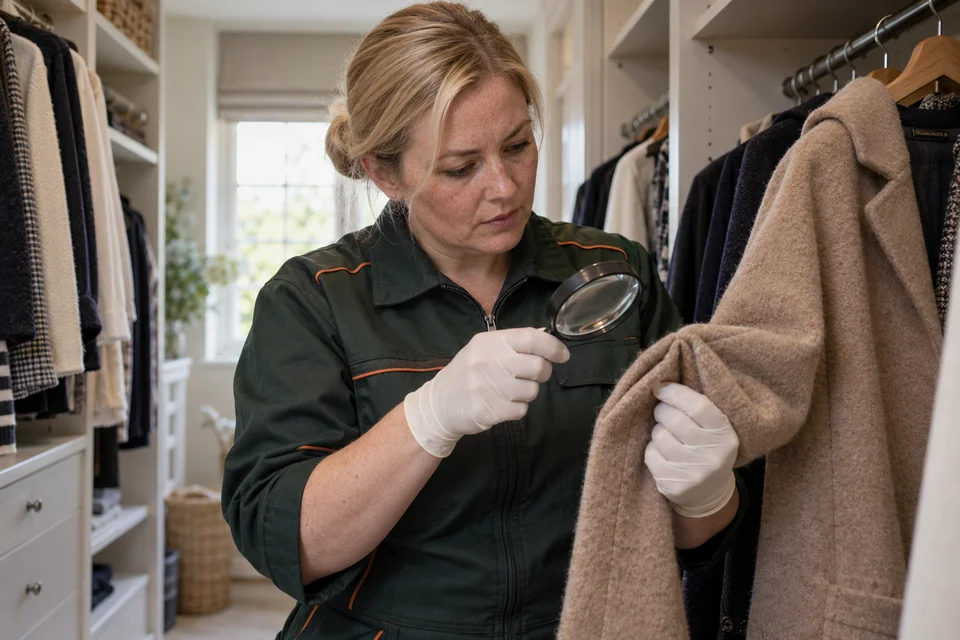
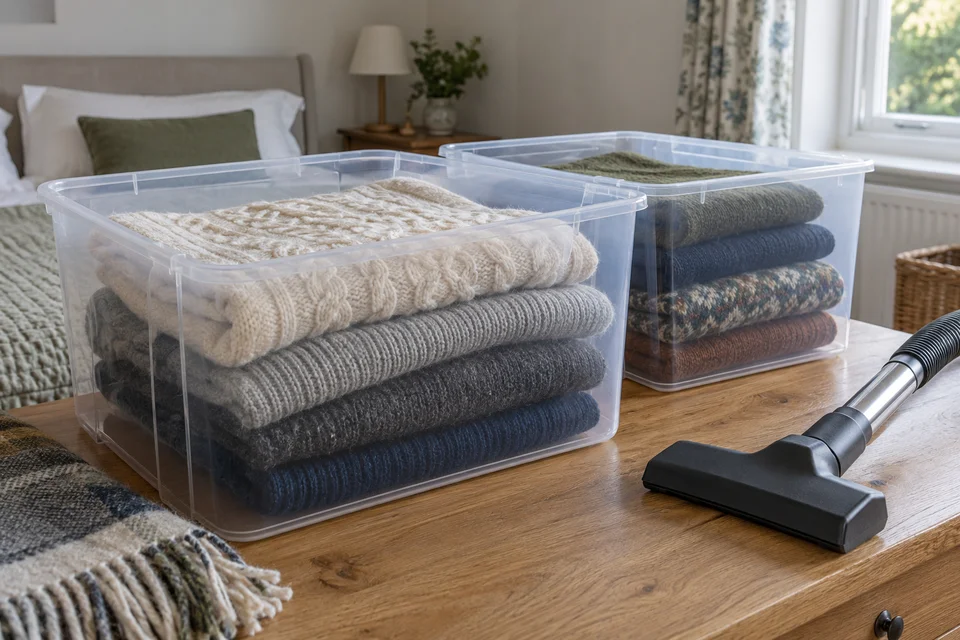
Inspect the textiles
- Check wool beneath heavy furniture
- Examine folds and stored garments
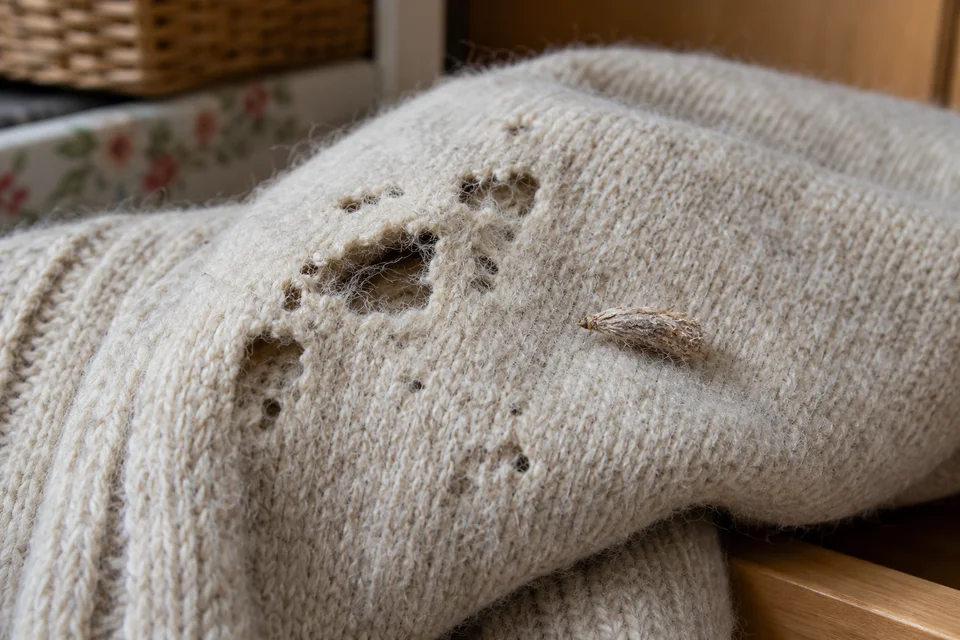
- Look for larval cases and webbing
- Separate textile and food moth signs
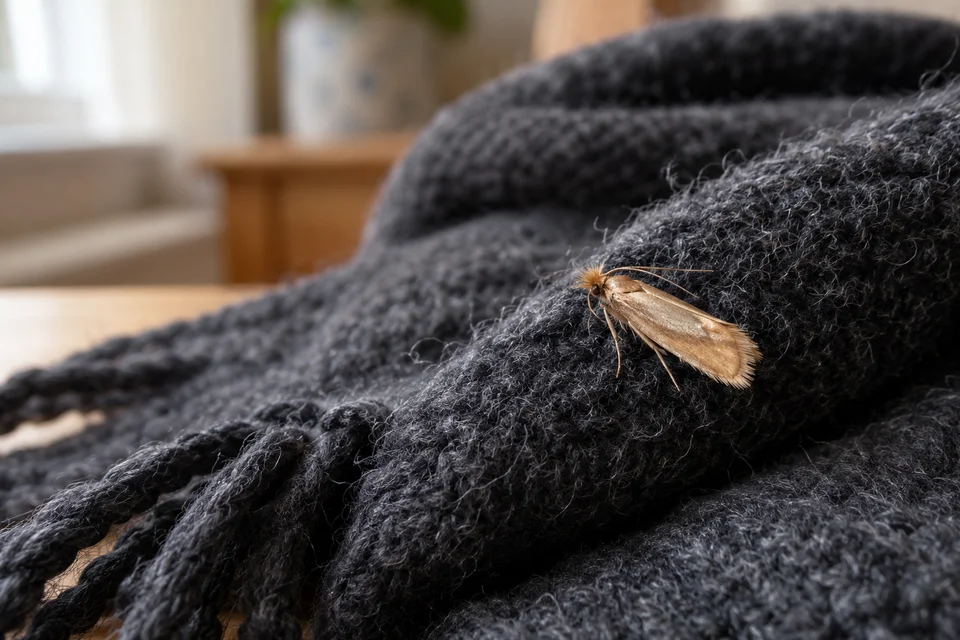
Protect vulnerable fibres
- Agree care for affected fabrics
- Target hidden carpet-edge activity
- Position suitable species monitors
- Review fresh damage and larvae
Which fabrics are affected, and where?
Show us the damaged item before clearing it away. A threadbare carpet edge, a hole in a stored jumper and moths flying near a food cupboard do not necessarily describe the same problem. We ask when the material was last checked, whether it has been stored elsewhere and which nearby items show signs. Photographs taken before moving furniture can help retain the original pattern of damage.
Clothes moth larvae can feed on animal-derived fibres such as wool and fur. The adults you see are not the stage making holes. The technician examines the fabric, adjacent dust and sheltered folds for larvae, cases and silk. A damaged item alone does not establish current activity: wear and old insect damage can remain after the cause has gone. The survey looks for evidence that can guide work now and creates a useful baseline for later checks.

Make a care plan for the belongings
The first question is what can safely be cleaned, moved or isolated. Read care labels and tell us about delicate, valuable or sentimental textiles before any method is agreed. A washable blanket, a fitted wool carpet and an antique upholstered chair need different handling. We do not recommend one heat setting, freezer period or cleaning product for every fabric. Specialist textile advice may be needed for sensitive items.
Affected items should be moved carefully so loose material is not scattered through unaffected rooms. Where cleaning is agreed, plan how items will travel to and return from the cleaner. Keep treated or cleaned belongings separate from unchecked storage. Emptying a wardrobe only to put everything back into an unexamined corner can leave the source in place. A clear plan links item care with inspection of the storage area.
| Material or location | Question to resolve | Practical next step |
|---|---|---|
| Stored wool clothing | What do the care labels permit? | Agree cleaning and contained storage after assessment |
| Fitted carpet edge | Can the edge be inspected safely? | Expose accessible margins without damaging the fitting |
| Upholstered furniture | Are seams and underside accessible? | Discuss construction and specialist care where needed |
| Delicate or antique textile | Would normal cleaning damage it? | Seek suitable conservation or textile advice first |
Inspect beyond the obvious hole
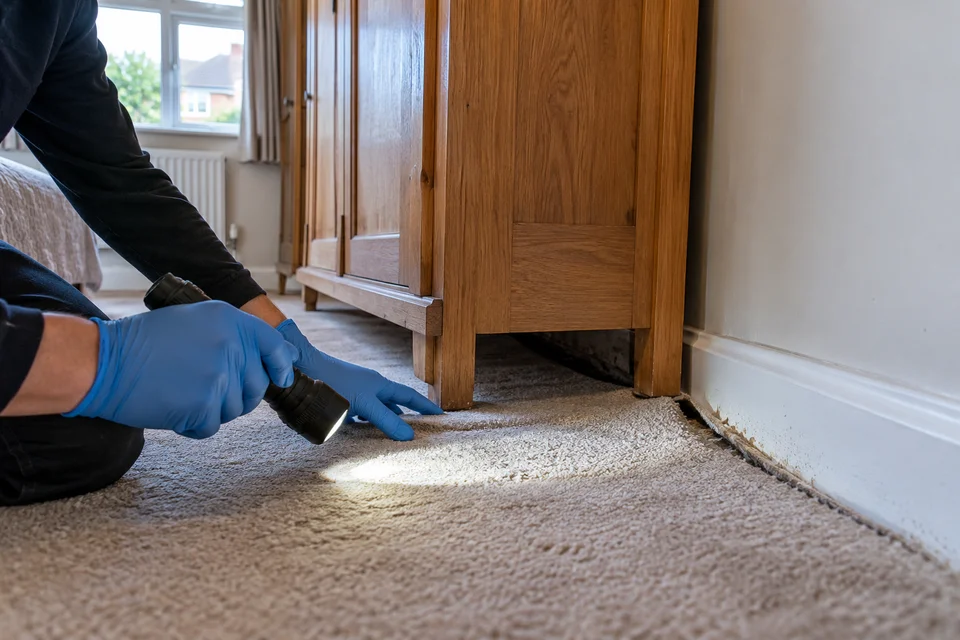
The inspection follows vulnerable materials through the room. Carpet margins under beds, behind furniture and inside low cupboards may remain undisturbed for long periods. The technician uses a torch and close inspection to check those places where access allows. Garment seams, folds, drawer corners and stored blankets are considered alongside the carpet. Large furniture is moved only where safe and agreed, with any inaccessible area made clear.
We also distinguish moth evidence from other textile pests. Hairy larvae and shed skins may point towards the source work described in carpet beetle treatment. Silk and moth cases suggest a different investigation. Some moths are associated with stored foods, so adult appearance and the location of larvae matter. If identification is uncertain, retaining a specimen for examination can avoid treating a bedroom for the wrong insect.

Removal, cleaning and suitable targeted treatment
Cleaning is part of the treatment plan because larvae can remain hidden in loose fibres and undisturbed material. The agreed work may include careful vacuuming of accessible carpet edges and storage corners, followed by suitable care of affected belongings. Ask how collected debris should be contained and removed. Do not shake suspect fabrics in another room or sweep loose material across clean floors.
Where evidence supports it, the technician may recommend an authorised treatment for relevant cracks, edges or other suitable locations. Product and surface suitability come first; insecticide is not automatically suitable for clothing, bedding or a delicate finish. The application and its limits are explained before work. Existing aerosols, powders or fragranced moth products should be disclosed so they can be considered. A repeated broad spray without locating the fabric source does not resolve why fresh damage is appearing.
Use traps as information, not a complete diagnosis
A suitable moth monitor can help record adult activity, but it must match the insect being investigated. Its position, installation date and inspection dates should be retained. A catch is considered with the condition of textiles and any larval evidence. An empty trap is not proof that every stored garment is clear, and a trap alone does not reach larvae feeding in a protected fold.
The follow-up plan should explain what you will inspect between visits. Take photographs of any new damage and note the item and room. Old holes cannot repair themselves after control, so comparing the same area is more useful than counting all visible damage each time. Do not move monitors casually or add several different lure products without discussion, as that can make the original records less useful.
| Observation | Keep this record | Assessment question |
|---|---|---|
| A moth in a monitor | Monitor position and checking date | Is adult activity changing at that location? |
| A new patch of missing fibres | Photograph, item and date first checked | Is damage continuing on an inspected textile? |
| Larval cases or webbing | Location and a clear close photograph | Does the source require further access or cleaning? |
| Cleaned clothes returned to storage | Cleaning date and storage container | Were unchecked materials placed alongside them? |
A treatment plan that accounts for the household
Tell us about children, pets, aquariums and anyone needing particular access to the room.
Before application, the technician explains which belongings must be put away, which areas need to stay clear and any restrictions on room use. Keep the instructions available to other household members. Re-entry, ventilation and cleaning requirements depend on the treatment selected, so they should be confirmed for your visit.
Do not put treated fabrics against skin or return them to use unless the specific method permits it.
If someone has already sprayed a wardrobe or carpet, give the product details where possible. The concern is safe planning, not blame. For a property with more than one pest issue, use our Greenford pest control service overview to describe each area separately. It helps avoid applying a moth preparation routine to an unrelated insect.
Reduce the chance of another hidden source
After the agreed cleaning and treatment, store vulnerable clothing clean and in suitable closed containers. Check items before long-term storage and again when they are brought back into use. Leave access to carpet margins where practical so routine cleaning can reach them. A large quantity of stored fabrics may be easier to manage in smaller labelled groups rather than one tightly packed cupboard.
The survey may identify debris or old animal-derived materials outside the obvious clothing area. Access to roof spaces or old nesting material needs separate care, including checks before any wildlife-related work. Do not climb into unsafe voids or remove an occupied nest. Prevention recommendations should name the source and the person responsible for action. They reduce opportunities for activity but cannot promise that moths will never be introduced again.
Agree the work before valuable items are moved
The price depends on the rooms, materials and extent of confirmed activity, access beneath furniture, preparation and any monitoring or return visits included. Cleaning or conservation of individual belongings may sit outside a premises treatment quotation. Ask for that distinction before sending items away. The proposed work and price should be clear before treatment is agreed.
If fresh damage is appearing on valuable materials, discuss assessment before moving or cleaning them. Tell us the fabric, rooms and signs you can actually see. Contact us with the postcode and affected items to discuss arrangements. If the main concern is insects around a bed, the inspection described on bed bug treatment addresses different evidence; bites or moth sightings alone should not substitute for identification.
Moth Control: your questions
Are the moths flying around eating the carpet?
For clothes moths, the larvae are responsible for textile damage. Seeing adults helps the investigation, but the inspection needs to find vulnerable materials and larval evidence rather than relying only on insects in flight.
Should I throw away a damaged wool rug?
Not automatically. The condition, value and safe care options need assessment. Retain it for inspection where practical and avoid carrying it uncovered through other rooms. Disposal, if necessary, should be planned rather than assumed.
Will a pheromone trap clear the wardrobe?
A suitable trap can help monitor particular moth activity, but it does not inspect or treat larvae hidden in clothing. Fabric care, cleaning and any targeted treatment need to address the actual source as well.
Why inspect beneath furniture when moths are in the wardrobe?
Vulnerable fibres and undisturbed debris can occur in several nearby places. Checking accessible carpet margins and upholstery helps determine whether the wardrobe is the only affected area or one part of a broader textile problem.
Can every garment go through a hot wash?
No. Follow care labels and agree a method appropriate to each material. Delicate, structured or valuable items may need specialist cleaning advice. A single temperature instruction is not suitable for an entire mixed wardrobe.
How can I tell whether damage is new?
Photograph affected areas after the initial inspection and keep notes of which items were checked or cleaned. Compare the same places later and report fresh larvae, webbing or new loss of fibres with the date and location.