
Mice Control Greenford
Mouse activity often follows concealed routes around kitchens, pipes and floor edges. We inspect the signs, assess accessible entry points and explain a suitable control plan, with preparation and follow-up based on what your property needs.
Call +44 20 3966 2380 See how access is assessed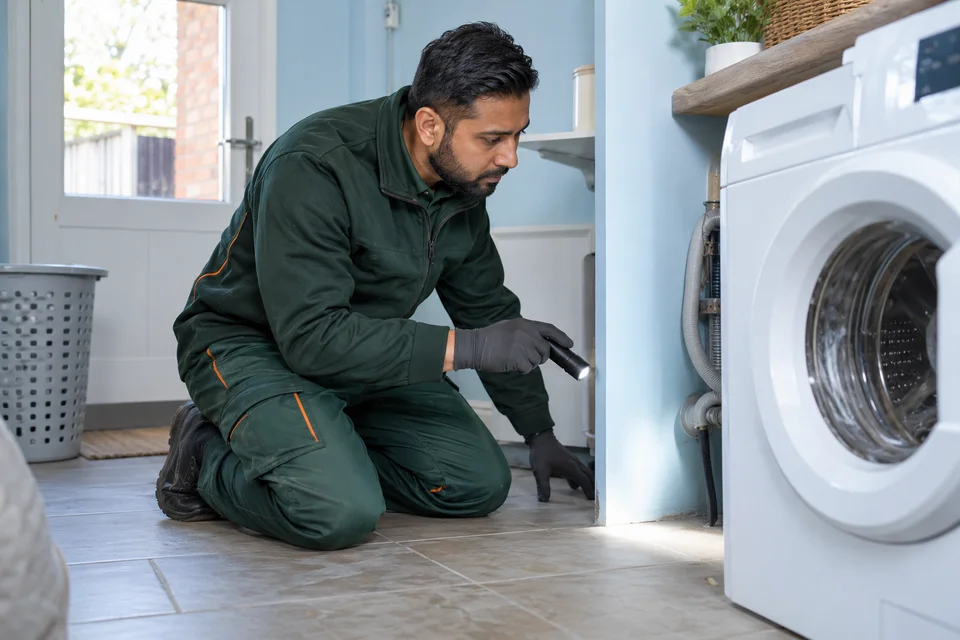
Trace the mouse routes
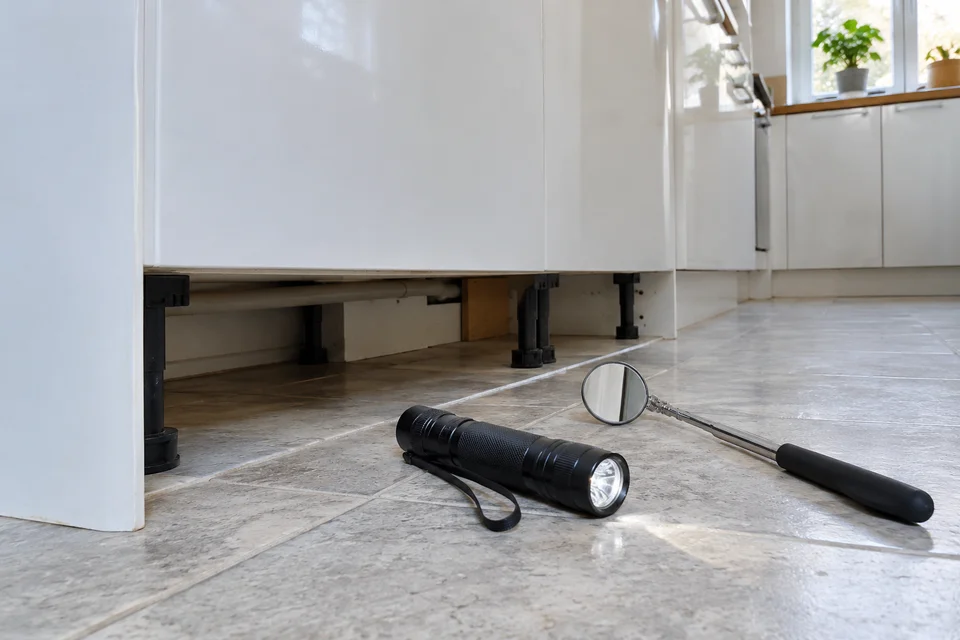
- Check cupboard bases and pipe penetrations
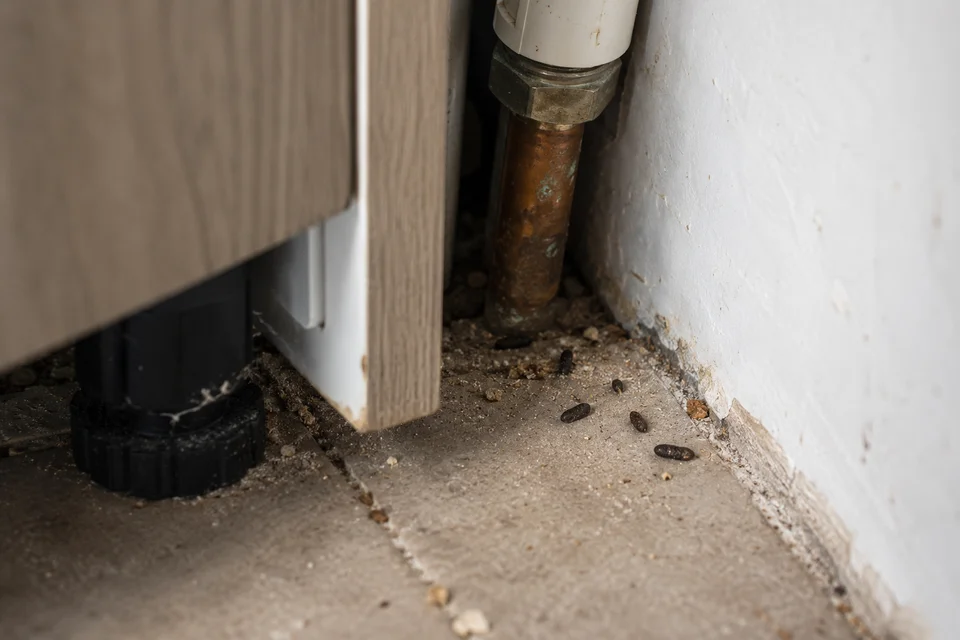
- Compare droppings with other rodent signs
- Look behind accessible kitchen plinths
- Assess adjoining rooms and shared voids
Control and close access
- Choose traps or secured bait appropriately
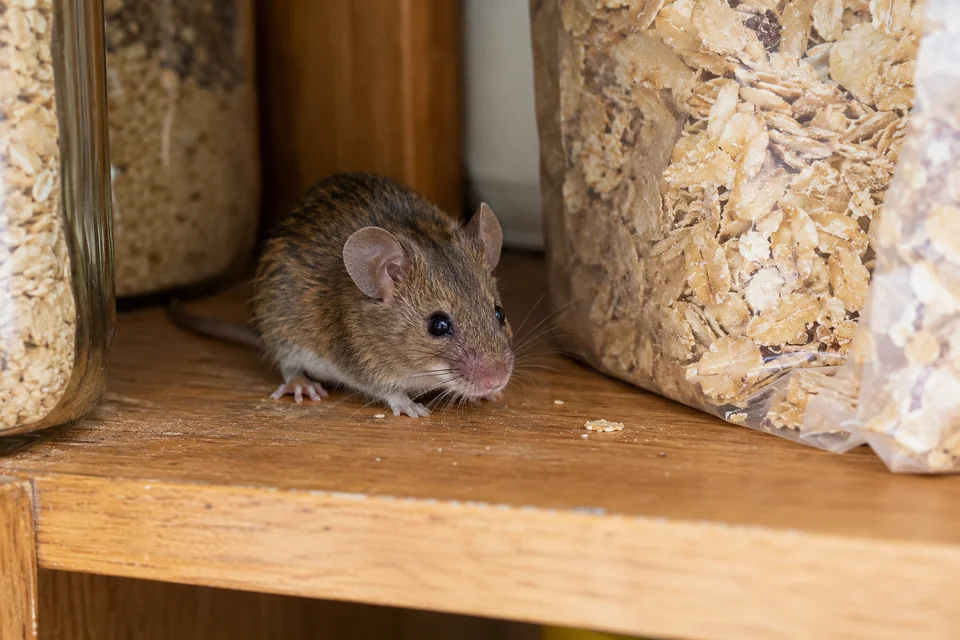
- Discuss children, pets and food storage
- Review new signs at agreed control points
- Plan durable repairs to suitable gaps
An inspection beyond the visible mouse
A sighting tells us where a mouse was noticed, but it may not reveal where it entered. The inspection starts with your account: which room, the time, any repeated route and whether you have found damage or droppings. Tell us about earlier control attempts, building work and recently moved appliances. These details help the technician decide where to begin rather than placing control equipment at random.
Accessible cupboard interiors, pipe boxing, wall-to-floor junctions and the spaces beneath units are useful starting points. A torch can reveal gaps, gnawing or nesting material that ordinary room lighting misses. Removable panels are only opened where safe and agreed. Fitted furniture, wiring and plumbing are not dismantled casually; restricted access is recorded so you understand what could not be checked.
The search also considers the route into the room. In a flat this may involve shared service risers or gaps through party walls. In a house, checks may extend to external doors and penetrations. Where larger droppings or other evidence suggest a different rodent, the investigation may need our rat control service instead.

How the findings affect mouse control
Droppings, gnawing and disturbed food are assessed together. A single old sign should not automatically lead to a conclusion about the size or current extent of an infestation. Photographs and a record of where fresh evidence appears can be more useful than an estimate of how many mice you think are present.
The technician compares affected and apparently unaffected areas. If the evidence is limited, monitoring may help distinguish continuing activity from historical contamination. Any finding behind an inaccessible structure is treated as a limit on the assessment, rather than a reason to assume the rest of the building is clear.
| Finding | What we check next | Why it matters |
|---|---|---|
| Droppings in a base cupboard | Pipe openings, nearby edges and food packets | Shows a location to investigate, not a population count |
| Gnawed packaging | Other accessible stored food and sheltered approaches | Helps connect feeding with movement |
| Noise beneath the floor | Accessible service gaps and adjoining rooms | Sound alone does not establish the species |
| No fresh signs after cleaning | Agreed monitors and the same inspection points | Helps assess whether activity is continuing |
Selecting and positioning control
Treatment is chosen after the accessible signs and the people using the building have been considered. Suitable traps may be useful where placements can be checked and protected. Where rodenticide is justified, the product, positioning and protection must match the authorised use and risk assessment. Loose poison scattered around a kitchen is not an appropriate substitute for a planned programme.
The location of each control point matters. Mice often travel under cover, so equipment should relate to evidence and likely movement rather than simply being placed in the middle of a room. The technician explains which points must remain undisturbed and how children, pets and other animals will be kept away. Mention pet rodents, aquariums and any previous products before work starts.
Ask what monitoring and return arrangements form part of the quote. Treatment can reduce the activity already inside, while repairs address continued access. These are connected tasks, but the amount of proofing, removal of contaminated materials and any building work should be separately clear. Do not add your own bait or move the installed equipment during the programme.
Clear access without scattering evidence
Put unaffected food into robust, closed containers and secure waste.
Leave enough room for the technician to reach affected cupboards, but avoid carrying contaminated belongings from cupboard to cupboard. If a heavy appliance blocks access, say so during the enquiry; do not pull out a fitted cooker or disconnect anything yourself.
Photograph droppings before cleaning when possible and ask for advice on the extent of contamination.
Do not dry sweep or vacuum rodent droppings, urine or nesting material. Disturbing dry material can put contamination into the air. Larger deposits or contamination in insulation may need separate professional cleaning, protective measures and disposal arrangements.
Let everyone in the household know which areas are being assessed.
Keep children and animals clear of suspect material and control points. For rented accommodation, provide contact details for the person who can authorise access or repairs, so a service gap behind a shared wall does not become an unresolved recommendation.
Proofing that follows the findings
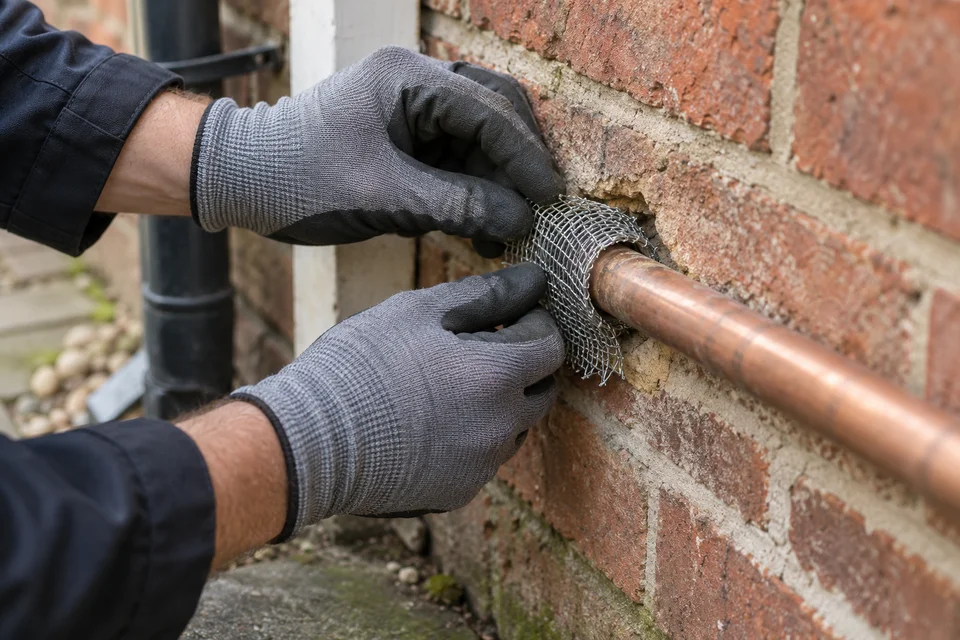
The repair plan should identify the openings actually found, not simply recommend sealing every visible gap. Small service penetrations, damaged door edges and poorly finished joins can all need attention. Materials and fitting should suit the location, allow necessary ventilation and avoid interfering with gas, electric or plumbing services.
The order of work is important where a route is active or reaches a void. Closing an opening before the movement is understood can change activity without resolving the problem. The technician can explain which accessible repairs can proceed and which need further checking or a landlord, builder or managing agent. Permission may be needed for shared parts of a building.
Food access also affects the result. Close packeted ingredients away, clear crumbs from reachable edges and keep waste containers shut. Those changes support control, but a clean kitchen can still be accessible to mice through the fabric of a building. The aim is a realistic combination of control, repairs and routine checks.
Check the same points again
A quieter night is welcome, but the assessment should also consider the control points and any new signs. Keep a simple note of sightings with the room and date. If there is a new location, report that change rather than moving a trap there yourself. The follow-up can then compare evidence consistently.
At an agreed review, the technician checks the treatment response and whether access recommendations have been completed. If activity persists, the route, available food, hidden spaces and suitability of the control method may need reconsideration. Inactive equipment and remaining products should be managed according to the treatment plan; do not keep unused professional bait for later.
Tell the technician if the premises will be empty between visits. Access to locked cupboards and the ability to check equipment should be agreed before anything is installed. In a workplace, nominate someone who can report sightings from all staff, rather than collecting different accounts after the visit. Changes in cleaning, deliveries or stock storage can affect what the evidence means, so include them in the record.
For a food business, make clear which rooms handle open food and how these areas can be made available safely. The control plan should fit the way the premises operates, including staff access and opening hours. Any recommendation to stop using an affected area must be understood by the responsible person. A domestic appointment arrangement should not be assumed suitable for a kitchen serving customers or a building with several occupiers.
| Your observation | Record this | Discuss at review |
|---|---|---|
| A new sighting | Date, room and direction of movement | Whether the investigation should extend |
| New droppings | Exact location and a clear photograph | Whether activity remains at known routes |
| Repair completed | Which gap was repaired and when | Whether other openings remain |
| Equipment disturbed | Which control point and what happened | Safe replacement and risk reassessment |
What affects the cost of mouse control
The quote depends on the property layout, number of affected areas, access and the control or review work proposed. Extensive cupboard removal, contamination clearance or substantial proofing may need separate arrangements. Ask whether inspection, treatment visits, monitoring and removal of equipment are included, and how extra work would be authorised.
For an urgent enquiry involving activity around food, describe the affected room and the immediate restriction it creates. Visit options are checked before any attendance is confirmed. You can call with your postcode and the signs you have noticed, or read how we handle wider pest control enquiries in Greenford.
Mice Control: your questions
Does seeing one mouse mean there is only one?
No reliable count follows from one sighting. The inspection considers fresh droppings, feeding damage, access and distribution. Monitoring may be needed when the visible evidence does not show whether activity is still continuing.
Will you need to remove my kitchen units?
Not automatically. We begin with accessible cupboards, edges and safe removable panels. If fitted units conceal a likely route, the technician explains the limitation and whether a separate trade or agreed access work is needed.
Should I fill every pipe gap before the visit?
Have the active routes assessed first. A gap can connect to a hidden space, and the timing of closure may affect control. Any repair must also protect ventilation and services rather than simply covering the visible opening.
Can control be arranged when I have a cat?
Tell us about the cat and its access to cupboards and floors. The risk assessment affects equipment and placement. Keep pets away from control points and follow the specific instructions provided for your property.
Can I vacuum the cupboard before inspection?
Do not vacuum dry mouse droppings or nesting material. Photograph the evidence and ask for suitable cleaning advice. Emptying an unaffected cupboard for access is different from disturbing contaminated deposits.
What if the mice are coming from another flat?
Shared pipework and voids may need investigation with a landlord or managing agent. We explain the accessible evidence and any limits. Work inside one flat cannot automatically resolve an untreated route elsewhere in the building.