
Squirrel Control Greenford
Scratching and movement above a ceiling need identification before any opening is closed. We assess accessible roof-space evidence, explain lawful squirrel control options and identify the repairs or further access needed for the property.
Call +44 20 3966 2380 Understand the access assessment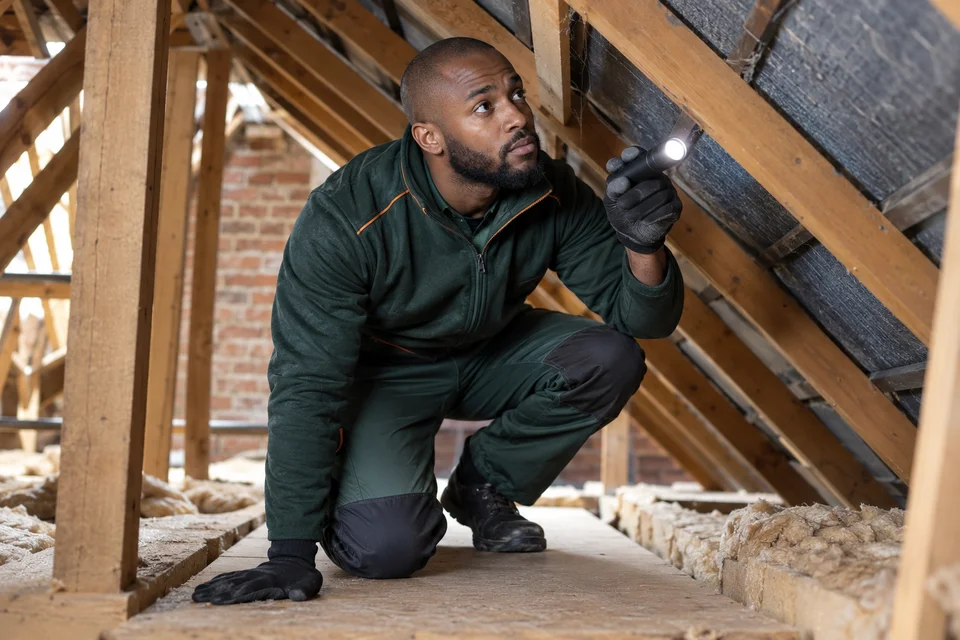
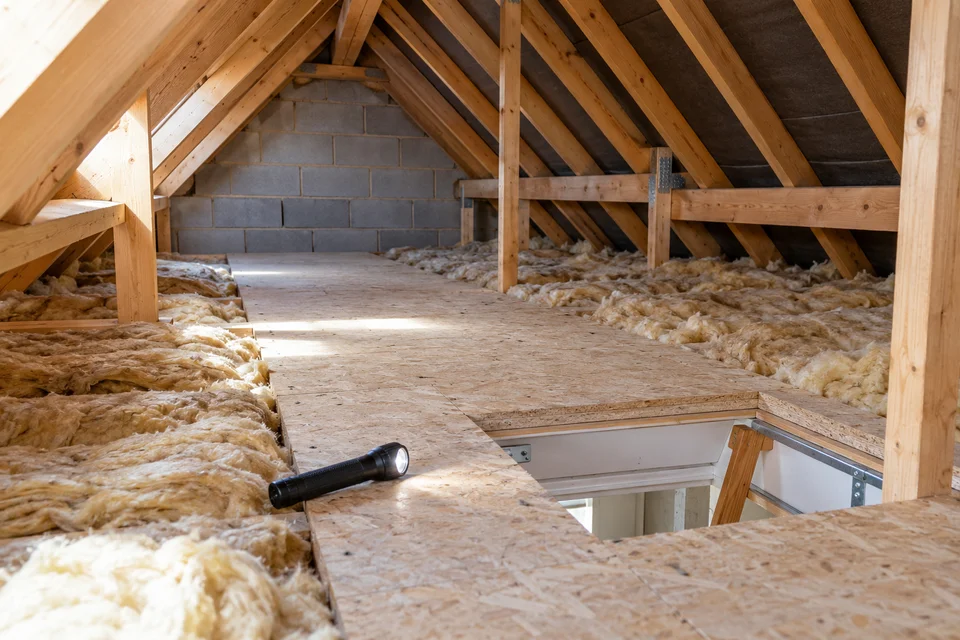
Assess the roof space
- Compare daytime noise with physical signs
- Inspect accessible eaves and loft edges
- Look for gnawing and disturbed insulation
- Flag possible nests or dependent young
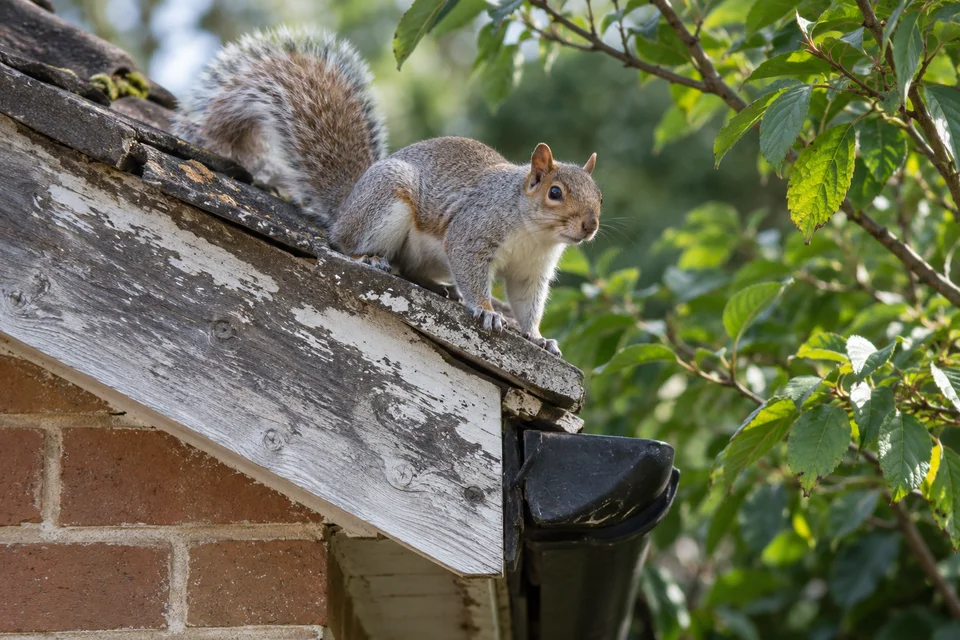
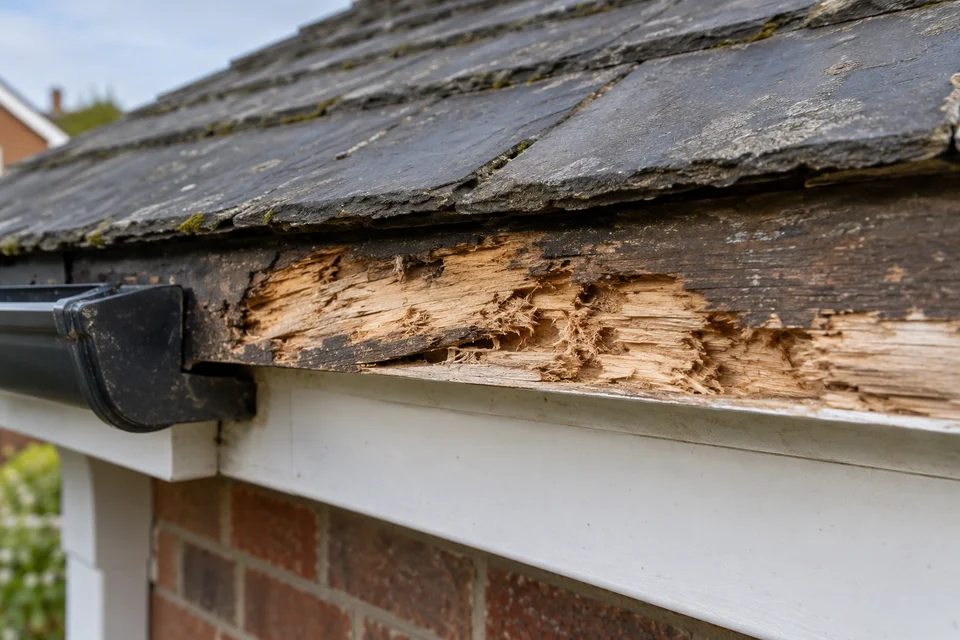
Plan lawful control
- Confirm the animal before selecting a method
- Account for protected and non-target wildlife
- Agree welfare and trap-checking arrangements
- Plan proofing once occupation is assessed
Safe access comes before a loft search
Tell us where the noise is heard, when it usually starts and whether you have seen a squirrel entering the building. A photograph of the roof edge from ground level may help. Do not climb onto a roof, lean out of an upstairs window or enter an unboarded loft to get evidence. The appointment should begin with a discussion of access, not a risky attempt to reach the animal.
The technician considers the loft hatch, available footing, lighting and any obvious hazards before inspection. A low roof, fragile ceiling, heavy stored belongings or exposed services may limit the accessible area. Those limits matter because the point where sound is loudest can be some distance from the route or nest. The assessment should distinguish what was seen from what remains concealed.
For buildings with shared roofs, establish who can authorise access and repairs. A managing agent may need to coordinate adjoining loft areas. We cannot assume that inspection in one dwelling covers a continuous roof space. Our wider Greenford pest control assessment can help establish the appropriate service where the animal is uncertain.

Check the animal and the occupation
Squirrels can disturb insulation and gnaw materials, but similar noises can come from rats or birds. The inspection looks for accessible droppings, feeding remains, nesting material and the character of any opening. Seeing a squirrel on a roof is useful context; it does not by itself establish that it is nesting inside.
Species identification affects the lawful options. Grey squirrels are subject to invasive-species restrictions and cannot routinely be caught and released elsewhere. Red squirrels and other protected wildlife require a different approach. Where signs of bats or nesting birds are present, work may need to stop for further advice. An access gap must not be sealed simply because it appears inconvenient.
The possibility of dependent young also needs consideration. A control plan that addresses only the adult seen outside may leave animals in the roof. We explain what the accessible evidence supports and whether observation or further inspection is required before intervention. For signs more consistent with rats, see our rat access and investigation service.
What the findings mean for the plan
Roof repairs and animal control solve related but different problems. The inspection should identify the opening, any signs of occupation and the limitations around seeing inside. Damage to fascia, insulation or services may need a separate repair assessment. The absence of visible animals during a short inspection is not proof that a loft is empty.
Where the likely approach is through a tree or adjacent roof, that connection can be discussed without promising that pruning alone will stop access. Any tree work needs the appropriate permission and trade. Safe roof access may also require equipment or a contractor outside the normal pest visit.
| Finding | Assessment needed | Effect on work |
|---|---|---|
| Gnawed eaves opening | Occupation and safe exterior access | Plan control and later suitable repair |
| Disturbed insulation | Animal evidence and contamination extent | Separate clearance may be needed |
| Possible dependent young | Further inspection or observation | Do not close access on assumption |
| Possible protected wildlife | Identification and specialist advice | Restrict work until lawful scope is clear |
Explain the method before equipment is placed
The appropriate response depends on identification, occupation, access and the risk to other animals. Where trapping is proposed, it must be lawful for the species and situation, with humane handling and non-target protection. Grey squirrel relocation is not offered as an easy alternative. Ask the technician to explain what the proposed method involves before you agree to it.
Any live-capture arrangement requires clear responsibility for welfare and prompt action. The frequency of checks, who can safely make them and how the technician is contacted must be settled in advance. If the building will be empty or nobody can undertake the agreed checks, say so before installation. Do not open or move a trap or try to handle a captured animal yourself.
The technician also considers whether equipment can be kept away from children, pets and people using storage. A loft hatch is not automatically an adequate barrier. Work may need to be postponed or adapted if access and safe monitoring cannot be arranged. We do not describe a method as suitable merely because it has been used successfully in another roof space.
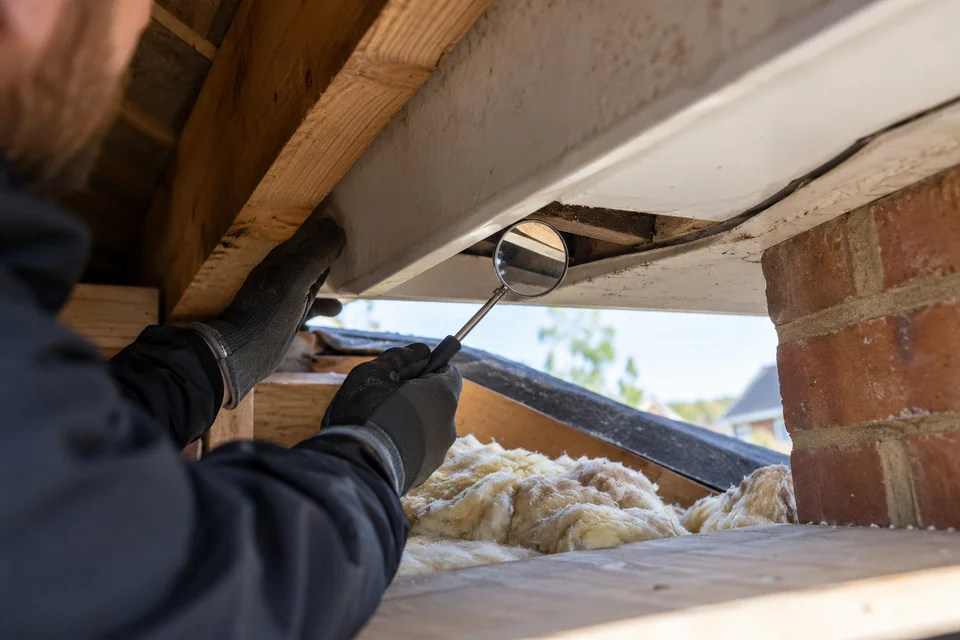
Make the hatch available, leave the roof alone
Clear a safe area beneath the loft hatch and tell us whether a ladder or fixed access is present.
Avoid moving suspected nesting material or contaminated insulation. If stored belongings obstruct the route, describe this when arranging the visit. Do not step between joists, cut panels or pull material from around wiring to make a space look accessible.
Keep children and pets away from the hatch while the inspection is taking place.
Point out anything you know about old wiring, recent leaks, fragile ceilings or previous building work. These details help the technician decide whether the accessible inspection can proceed safely or another trade needs to make the area available first.
Leave exterior entry points as found until occupation has been assessed.
Temporary filling, expanding foam or wire pushed into a hole may trap animals or obscure the route. If a landlord has already arranged roof work, tell both parties about the possible animal activity so the sequence can be coordinated.
Where an animal appears injured or trapped in a living area, avoid direct handling and describe the situation by phone.
Animal welfare advice and pest control are not always the same service. We discuss the appropriate next step and available attendance rather than promising an immediate resolution to every wildlife incident.
Proofing and damage need separate decisions
Before an entry point is closed, the plan should account for the accessible evidence that occupation has ended and any possibility of concealed animals. The repair must fit the roof detail and withstand the exposure at that location. It should not obstruct essential ventilation or simply redirect activity into an adjacent weakness.
An appropriate roofer or builder may be needed for tiles, fascia or structural repairs. Suspected electrical damage requires a suitable electrician. Pest-control work does not establish that damaged insulation is clean or wiring is safe. The report or discussion should identify these separate actions so you know who is responsible.
After repairs, observe the area from a safe position and report renewed noise or visible attempts at entry. A squirrel moving across the roof is not the same as confirmed reoccupation, so keep the location and time clear in any update. Follow-up can then focus on the original opening and other accessible weaknesses.
| Requirement | What to clarify | What to avoid |
|---|---|---|
| Confirm occupation status | What evidence supports closing the route | Assuming a quiet morning means empty |
| Roof repair | Safe access, specification and permission | Unplanned work at height |
| Electrical inspection | A competent trade for suspected damage | Treating pest removal as a safety certificate |
| Monitor renewed activity | Date, location and visible entry behaviour | Climbing to inspect the repair yourself |
Pricing a roof-space problem
Squirrel enquiries vary with the roof layout, safe access, occupation evidence, proposed control and the arrangements for checking equipment. Ask whether any return visits, equipment collection and proofing are included. Contaminated-material clearance, roof repairs and specialist access should be separately identified rather than hidden within an assumed standard price.
We discuss the proposed scope before agreeing a price for the property. Describe the building, whether the loft is boarded and any visible entry point when you contact us about squirrel activity. Photos from ground level can support the discussion. Attendance and the work possible at the visit are confirmed directly; a photograph cannot settle every access or welfare question. Mention planned holidays so any monitoring responsibility can be arranged realistically.
Squirrel Control: your questions
Can a captured grey squirrel be released in a park?
Routine relocation is not a lawful option. Grey squirrels are subject to invasive-species restrictions. The proposed control must account for the animal, welfare and current rules, and the technician should explain that before you agree to work.
What if there are baby squirrels in the loft?
Mention any suspected nest or young. Occupation needs assessment before control or proofing is planned. Sealing an opening or removing an adult without considering dependent young can leave an unresolved welfare problem inside the roof.
Will you climb onto my roof during the visit?
Roof access is not automatic. The technician assesses the safe access available and the agreed scope. A roofer, platform or other specialist arrangement may be needed; do not assume a normal pest appointment includes high-level repairs.
Is daytime scratching definitely a squirrel?
No. Timing is useful background, but physical evidence and observation are needed. Sound travels through structures and may also involve rats or birds. Explain the pattern without trying to identify the animal from noise alone.
Should I remove the damaged loft insulation first?
Leave it undisturbed until the activity and contamination are assessed. Clearance may need protective measures and a separate scope. Moving material can conceal signs, spread contamination or disturb an occupied nest.
Can you guarantee no squirrel will enter again?
No permanent protection should be assumed. Suitable repairs reduce access, but other weaknesses can develop in a roof. Keep a record of work completed and report new openings or confirmed entry promptly.