
Silverfish Control Greenford
Silverfish sightings call for a close look at hiding places and the conditions around them. We inspect affected rooms in Greenford, identify the insect and discuss targeted control alongside practical action on moisture, shelter and vulnerable materials.
Call +44 20 3966 2380 See the moisture and access checks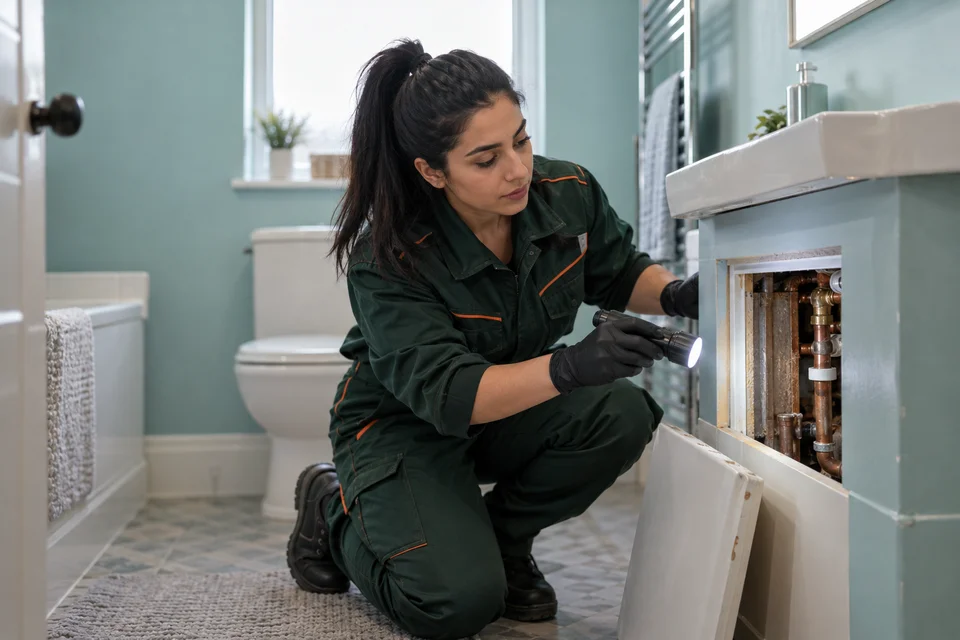
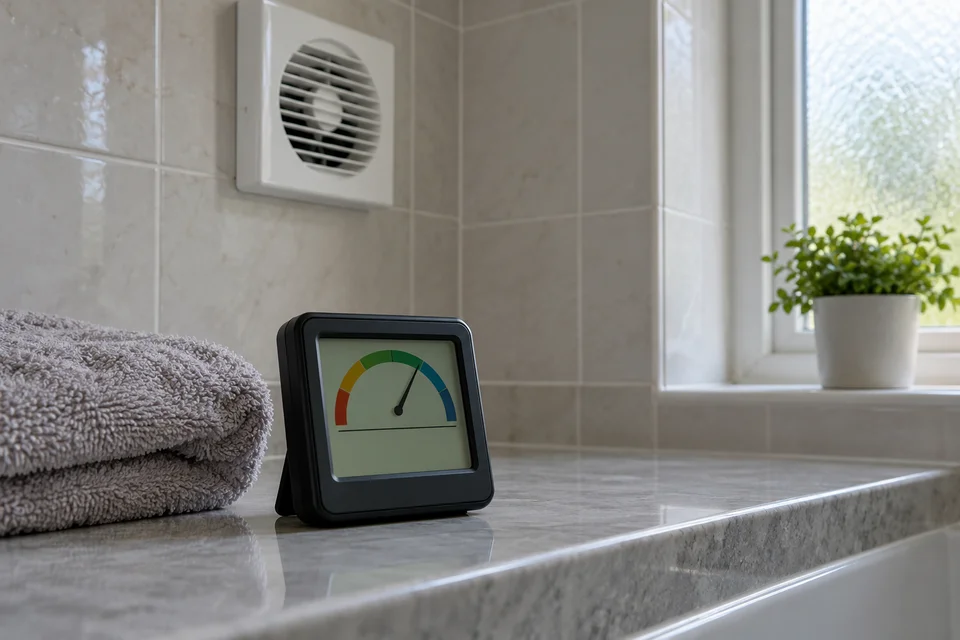
Check the conditions
- Inspect bathroom and kitchen edges
- Record pipe boxing access
- Look for damp storage conditions
- Compare insects from different rooms
Reduce sheltered activity
- Assess suitable crevice treatment
- Protect paper and stored materials
- Identify repairs needing a tradesperson
- Review sightings after changes
A sighting can point to a place worth checking
Tell us whether silverfish are appearing in a bath, beneath a sink, beside a skirting board or among stored items. A location record helps us inspect the connected shelter rather than treating the centre of a room where an insect happened to be noticed. Note the time and whether sightings follow showering, a leak or work on nearby cupboards. These observations help the survey but are not a diagnosis of a building defect.
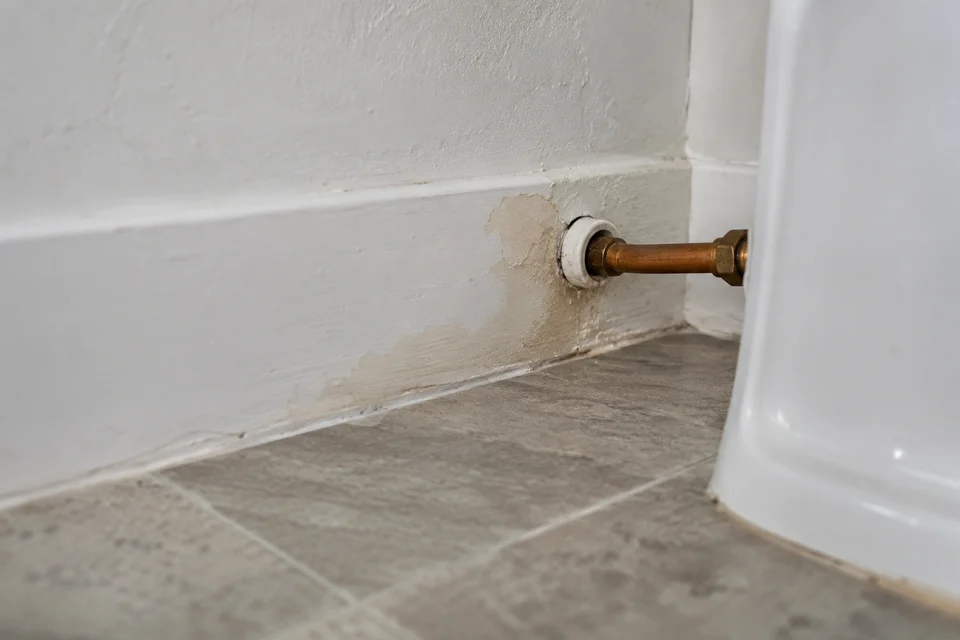
The technician checks accessible margins, pipe penetrations and sheltered areas around units. Signs of moisture are discussed along with ventilation and room use. Silverfish can be associated with damp conditions, but an insect sighting alone does not prove that a hidden pipe is leaking. Where a repair question lies beyond pest assessment, we explain that a plumber, landlord or other appropriate person may need to investigate.
| Location | What is assessed | Action to discuss |
|---|---|---|
| Bath or basin edge | Nearby gaps, shelter and access | Inspect the adjoining route rather than the smooth bowl alone |
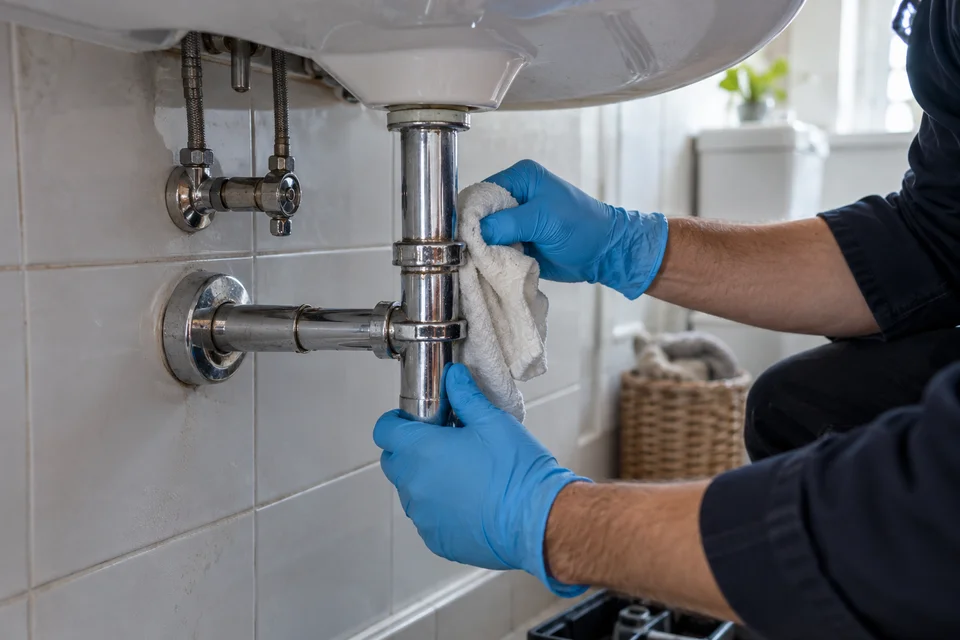
| Sink cupboard | Pipe openings and visible moisture | Separate pest access from a repair needing a plumber |
| Stored paper or boxes | Damage, shelter and storage conditions | Protect vulnerable material and reduce cluttered contact |
| Several connected rooms | Distribution of sightings and service routes | Broaden identification and monitoring where justified |
Check the insect, not only its colour
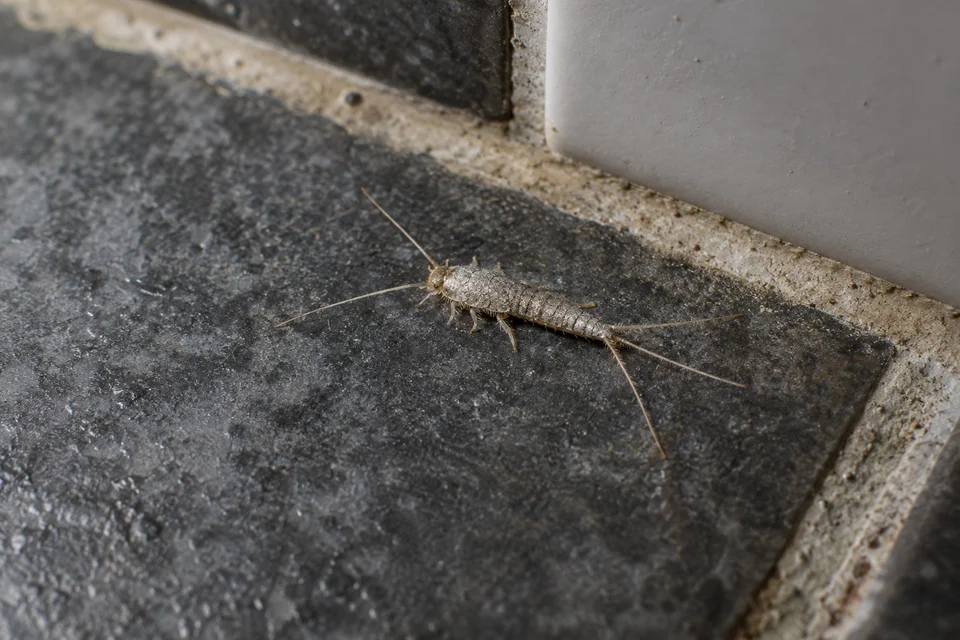
Silver-grey, fast-moving insects with a tapered body and trailing bristles may be silverfish, but a blurred glimpse can be misleading. A clear photograph with a size reference or a safely retained insect can support the assessment. The technician considers the physical features and where activity occurs. Related insects can favour different conditions, so a generic description of a small bathroom insect is not enough to select a treatment.
We also inspect any reported material damage. Marks on paper, paste or packaging need to be considered in context, as old wear or another insect can look similar. If the evidence instead concerns larger insects near warm kitchen equipment, the survey for cockroach treatment follows different harbourages. The purpose of identification is to keep the work specific and avoid treating every household insect in the same way.

Define what can be reached during the visit
A bathroom and its adjacent cupboard may share routes that are not obvious from inside either room. The inspection considers accessible joints, removable panels and service boxing where access is safe and permission is available. We ask about repeated activity upstairs or on the other side of a wall. We do not open fixed structures or reach into unknown electrical or plumbing spaces without a suitable arrangement.
An inaccessible void limits what can be assessed or treated. The plan should make that clear rather than promise that an application on one edge reaches everything behind it. In rented accommodation, ask who can authorise safe panel removal and any repair. A simple room record, photographs and notes of access restrictions help you or the managing agent arrange the next practical step without unnecessary disruption.
Moisture management belongs beside pest control
If there is persistent condensation, a visible leak or damp storage, the recommendation should identify the location and the action needing attention. Appropriate ventilation, repair and changes to storage may help reduce favourable conditions. Pest treatment cannot repair a pipe or guarantee that a damp building will dry. We keep these responsibilities separate so the customer knows which work is included and which needs another contractor.
Avoid sealing a damp, poorly understood space simply to hide the sighting. A repair should account for the cause and necessary airflow, not just the insect route. Paper, cardboard and other vulnerable belongings may need to be moved into better storage once checked. Our Greenford pest control homepage explains how an inspection links evidence with practical recommendations. Here the emphasis is on the room conditions that actually accompany the silverfish activity.

Treatment is selected for access and surface suitability
Where confirmed activity warrants treatment, the technician assesses a suitable authorised method for relevant crevices or harbourages. The product, surface and access conditions need to match. This is different from spraying an entire bathroom indiscriminately. We explain which locations are included, what cannot be reached and what role environmental changes have alongside any application. A single product is not assumed suitable for every room or material.
Preparation may include clearing a cupboard floor or moving toiletries away from a work area. Tell us about pets, aquariums, children and anyone needing particular use of the room. Items and surfaces are protected according to the plan. Product-specific restrictions, ventilation and re-entry requirements are explained at handover. Do not add powders or sprays to the same gaps without discussing them, and keep the details of earlier applications available.
Keep treatment instructions separate from repair tasks
At handover, you should know what was inspected, where any treatment was applied and which further actions remain. Ask which edges or crevices need to stay undisturbed and when routine cleaning can resume. The advice is tied to the actual treatment, not a fixed interval that applies to all silverfish enquiries. Share the instructions with anyone who cleans or maintains the property.
Keep a record of repairs and changes to ventilation or storage as well as sightings. If activity continues, this helps the review compare the original conditions with the current situation. A plumbing repair may take time to change the condition of surrounding materials, so do not equate the repair date with an immediate guarantee of no insects. Continued evidence should be discussed with its location and timing.
| Task | Person to arrange it | Record for review |
|---|---|---|
| Observe activity | Householder or site contact | Room, edge or cupboard and sighting date |
| Repair a confirmed leak | Landlord or appropriate tradesperson | Repair date and affected location |
| Clean treated margins | Person following the treatment advice | When cleaning was permitted and completed |
| Check stored paper | Owner of the belongings | New damage, insects or changes in storage |
When another assessment may be useful
A review may be needed when sightings remain frequent, activity appears in another room or initial access was limited.
The technician considers the identification, original treatment, moisture conditions and maintenance actions together. Photographs from the same locations and a dated record are more useful than simply stating that silverfish are still present somewhere in the building. Do not move monitors if they were installed for a specific purpose.
There is no automatic need for repeated chemical applications whenever one insect is noticed.
The findings may support further treatment, improved access or a different environmental action. Equally, an expanding pattern should not be ignored because a previous area was treated. If vulnerable textiles are being eaten, mention that separately: moth control involves different evidence and material handling. The review should respond to what is found rather than combine unrelated problems.
Costs depend on access, activity and the rooms involved
A silverfish quotation considers the affected rooms, evidence, surface types, accessible harbourages and whether monitoring or another visit is proposed. Repairs, decorative work and ventilation upgrades are not assumed to be part of a pest treatment. Ask for the included tasks and limitations to be clear before agreeing the work. A price is agreed once the relevant scope and access have been discussed.
Give the rooms and positions where silverfish are appearing so the visit can be planned around the available access. If stored papers or other important materials are being affected, tell us what they are and how widespread the signs appear. Discuss the sightings and postcode with us to check arrangements. If you are managing several flats, explain which units can be accessed and who can arrange maintenance, so the proposed scope reflects the real building access.
Silverfish Control: your questions
Does seeing silverfish prove I have a leak?
No. Silverfish can be associated with damp conditions, but the sighting does not diagnose a hidden plumbing fault. The inspection considers visible moisture and room conditions; suspected building defects may need a separate appropriate tradesperson.
Why are they often found in the bath?
A smooth bath or basin may hold an insect that has wandered into it. The inspection looks at surrounding shelter and access routes rather than assuming that the bowl itself is where activity is developing.
Will a dehumidifier replace an inspection?
Moisture management may be relevant, but it does not identify the insect, locate all shelter or repair the cause of damp. The suitable combination of environmental changes and any treatment depends on the findings.
Must fixed bathroom panels be removed?
Only where necessary, safe and agreed. Tell us what access is available. A restricted void may limit assessment, and permission or a suitable contractor may be needed before fixed structures or service spaces are opened.
Can I wash every treated edge straight away?
Ask for the instructions for the selected method. Some locations may need to remain undisturbed for a stated period. Keep normal hygiene and any specific treatment restrictions clear to the person who cleans the room.
What should I photograph for a further review?
A clear insect image, its location and any fresh material damage are useful. Add dates and note repairs or storage changes since the original visit. Avoid assuming that unrelated marks show continuing silverfish activity.