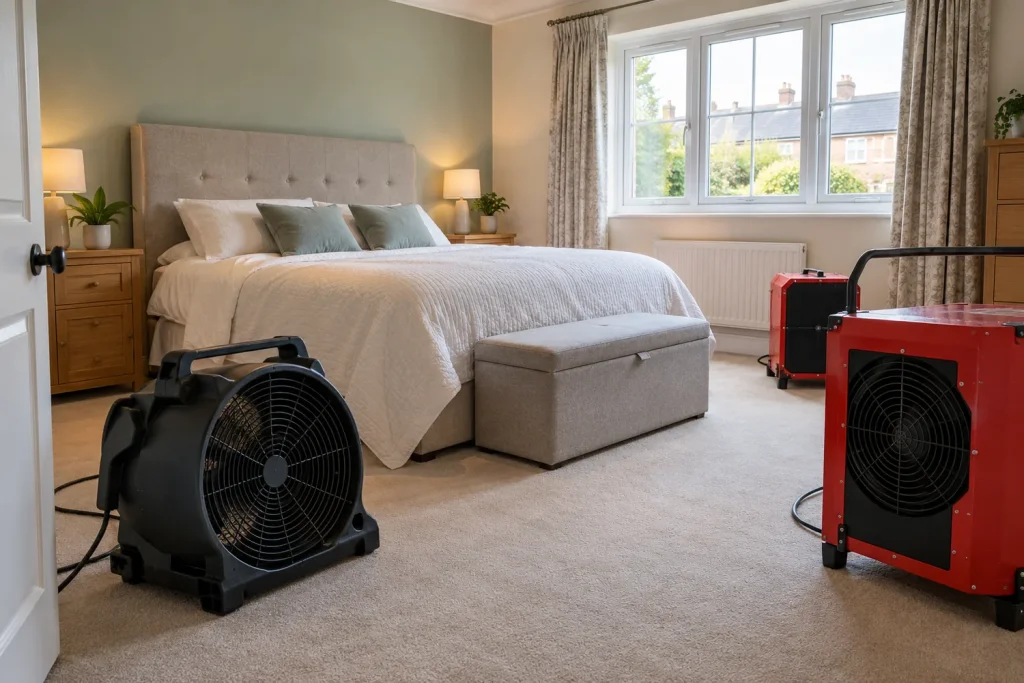

The most useful question before a bed bug heat treatment is not “How hot will the room get?” It is “Which of my belongings have been assessed, and what should I do with each one?” A specialist treatment heats a space under controlled conditions, yet a bedroom contains materials with very different tolerances. Paper, electronics, cosmetics, medicines, musical instruments and sentimental items cannot be treated as one category. The preparation list has to come from the provider who has inspected the room and selected the method.
Heat treatment is not automatically right for every bedroom or every infestation. The site's Greenford bed bug heat treatment service describes a suitability assessment, equipment access and monitoring before work. This article helps you prepare questions and organise belongings without improvising a heat treatment at home.
Start with a room-by-room inventory
Walk through the affected room with a notebook before moving anything. List large furniture, drawers, storage under the bed, fabrics, electronics, framed pictures, medicines and items that cannot easily be replaced. A photograph of each area can be useful. You do not need to catalogue every sock; you need to identify groups of belongings that may require special handling. Note where they currently sit, because the location can matter to an inspection.
Tell the technician about furniture or cupboards that cannot be opened or moved safely. Mention delicate finishes, valuable collections, batteries, pressurised containers and anything with manufacturer storage limits. This is a conversation, not a licence to move potentially affected belongings through the home. If an item must leave the room, ask how it should be contained and where it should go. The goal is to avoid carrying bed bugs into an unaffected space.
Why a universal “leave everything” rule fails
A heat plan depends on the construction of the room and the contents within it. Dense piles, closed cases and packed drawers can prevent heat from reaching where it needs to go. Other objects may be damaged by the process or create a safety concern. The provider may ask you to spread, open, remove or separately treat certain items, but the instruction should be specific to your room. Do not copy a checklist from another household.
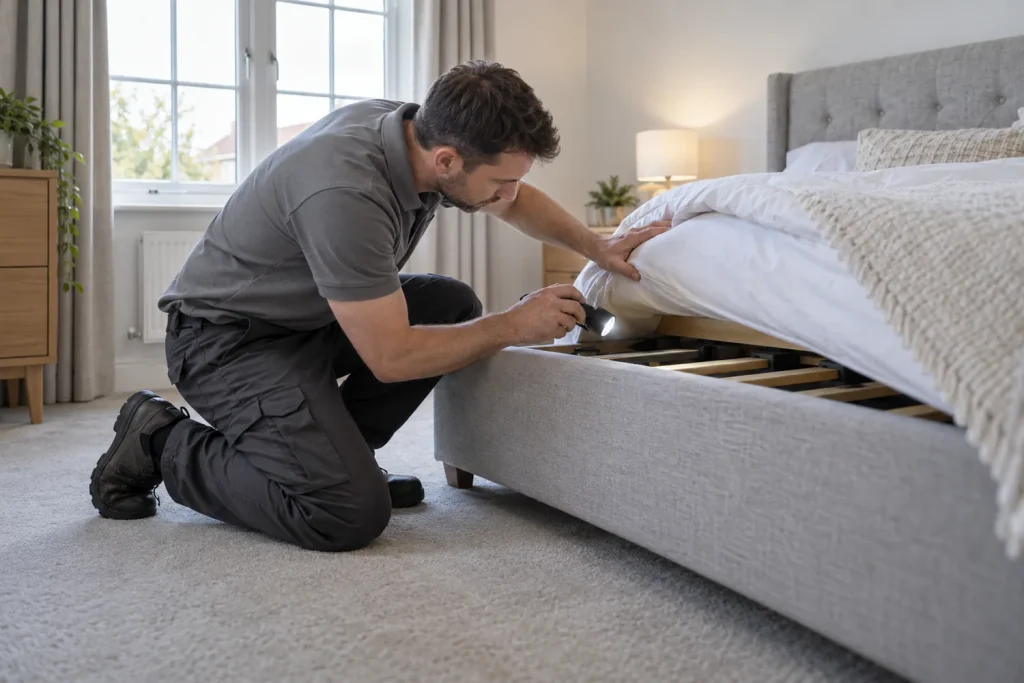
The BPCA bed bug guidance explains why finding and controlling hidden insects is difficult. A room can look orderly while bed bugs shelter in joints, seams and nearby furniture. Preparation should expose relevant areas to inspection and treatment while limiting accidental spread. Ask which places the technician needs accessible and which belongings can remain undisturbed.
Clothing and bedding need a clear route
Clothes, sheets and soft furnishings may be handled differently depending on the treatment plan. Some may remain in the room; some may need laundering or another separate process. Before carrying a bag of laundry out, ask whether it should be sealed, where it should be opened and how cleaned items should be stored. Uncontained movement from an affected bedroom can undermine an otherwise careful plan.
The NHS bedbug advice describes hot washing and tumble drying for suitable affected textiles, while warning that getting rid of bed bugs yourself is difficult. That general guidance does not mean every fabric is machine-washable or that laundry alone solves a room infestation. Check care labels and follow the provider's instructions for the specific items. Avoid mixing untreated and treated belongings in the same cupboard without a plan.
Electronics, batteries and sensitive equipment
Phones, laptops, monitors, games consoles and other electronics may contain components that react poorly to heat. Batteries and power supplies add another reason to seek item-specific instructions. Do not assume that unplugging a device makes it suitable to leave in the room. Give the technician a list of equipment and ask which items should be removed, protected or handled separately. If you need a device for work or care, raise that early so a safe arrangement can be discussed.
Avoid placing an item in a freezer, oven, tumble dryer or other appliance to mimic a professional process. Household equipment does not reproduce the monitoring and controlled conditions of a specialist treatment and may damage the object or create a hazard. If a device is thought to be affected, ask how to contain it while awaiting advice.
Medicines, food and personal products
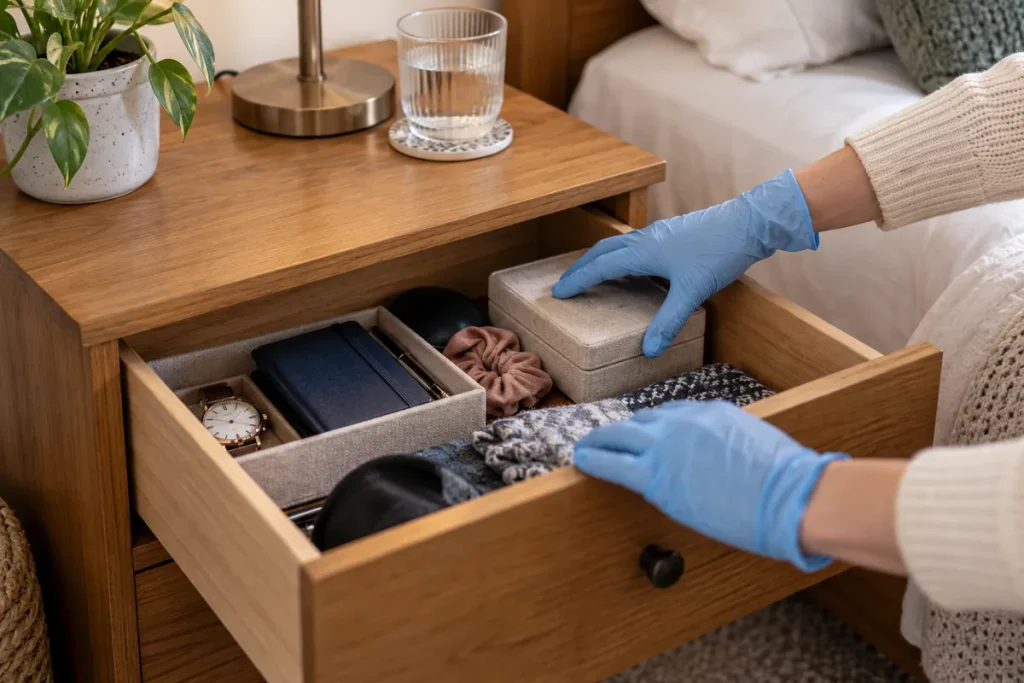
Medication should never be left to a generic bedroom-preparation assumption. Packaging may specify storage conditions, and some products can be harmed by heat. Identify medicines, medical devices, cosmetics and toiletries before the visit. Ask the technician how they should be removed without spreading insects and where they should be kept. For medicine storage questions, follow the product information or ask a pharmacist rather than relying on a pest-control article.
Food and drink are unusual in a bedroom, but check for them in drawers and bags. Remove them according to the preparation instructions. The same applies to candles, aerosols and products whose packaging warns against heat. A useful pre-visit check is to look inside bedside tables, handbags and travel cases, where small but sensitive items can be overlooked.
Pictures, books and sentimental objects
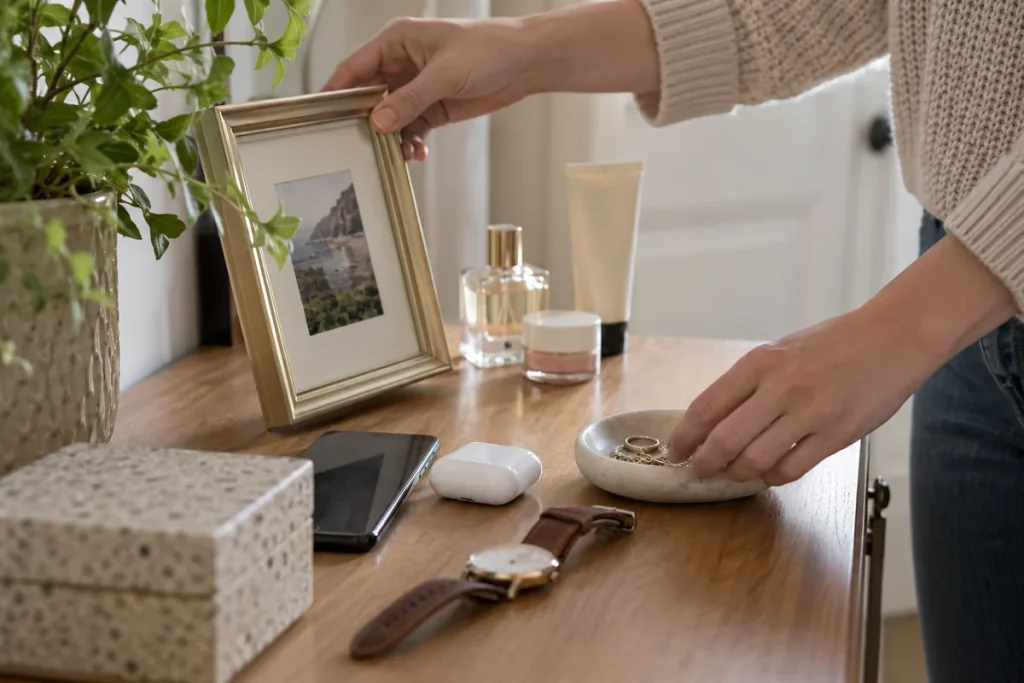
Frames, books and paper items may have crevices relevant to an inspection, yet their finishes or bindings may be vulnerable. Tell the provider which objects matter most to you. Ask whether they should remain in place, be opened for inspection, or be contained for separate advice. Do not quietly move a treasured object into another room just before treatment; that can move the problem as well.
Photograph or list valuable items and their condition so you can discuss the plan clearly. If a piece cannot tolerate the proposed process, ask what alternative is available and whether that changes the overall treatment expectation. A transparent limitation is better than assuming a hidden object has been treated when it has not.
Furniture and room access
Bed frames, headboards, bedside units and skirting edges are important because bed bugs can shelter close to sleeping areas. The technician may need access behind and beneath furniture, but moving a heavy bed without help can injure someone or damage the room. Ask what to move, how far and who will do it. If a built-in unit blocks access, say so before the visit.
The site's broader bed bug treatment guidance explains that inspection findings shape preparation and follow-up. A heat treatment may be one option within that assessment. Do not dismantle furniture unless specifically asked; loose parts can make it harder to track where evidence was found or create a risk during reassembly.
What to ask before the appointment
Request a written or clearly explained preparation list. Ask which items must leave the room, how to contain them, which can stay, and whether drawers, wardrobes or boxes should be opened. Ask what will happen to items that cannot tolerate heat and how the team will confirm coverage of difficult areas. Confirm access, duration, re-entry guidance and any required follow-up with the provider; these details vary by property and method.
Tell the team about pets, children, mobility needs and any practical limit on preparing the room. If an instruction cannot be completed safely, raise it beforehand. The Greenford contact page asks callers to describe affected rooms and access restrictions. That is the right time to mention a heavy wardrobe, packed storage or an item that cannot be moved.
Keep treated and untreated items distinct afterwards
After the visit, follow the provider's handling and re-entry instructions. Ask which items were part of the treatment and which were excluded. Put cleaned belongings back only in the manner advised, and keep any separately handled items contained until their status is clear. Continue the agreed monitoring rather than assuming the first quiet night proves complete resolution.
Heat treatment is a planned process, not a blanket permission to leave everything where it lies. An honest inventory and item-specific instructions protect belongings and make the treatment more dependable. The heat treatment assessment is where those instructions should be agreed. When in doubt, ask before moving or exposing an item; the technician can relate the answer to the room they have actually assessed.
Need help with a pest concern in Greenford?
Describe the signs you have noticed and where you found them. The team can discuss a suitable next step for your property.
Contact the team