Preparation can make a bed bug visit smoother, but there is no universal checklist that suits every treatment. Heat, residual insecticide and other approaches place different demands on furniture, fabrics and access. The most reliable first step is to ask the provider what they need before moving anything. A rushed clear-out can spread insects to another room and make the extent of the problem harder to judge.
This guide explains how to organise the room and the questions to ask. It does not replace the written instructions for your booking. If you are arranging bed bug treatment in Greenford, tell the provider about the room layout, the people who use it and any items you cannot safely move. That allows a plan based on the actual property rather than assumptions.
Confirm what is being treated
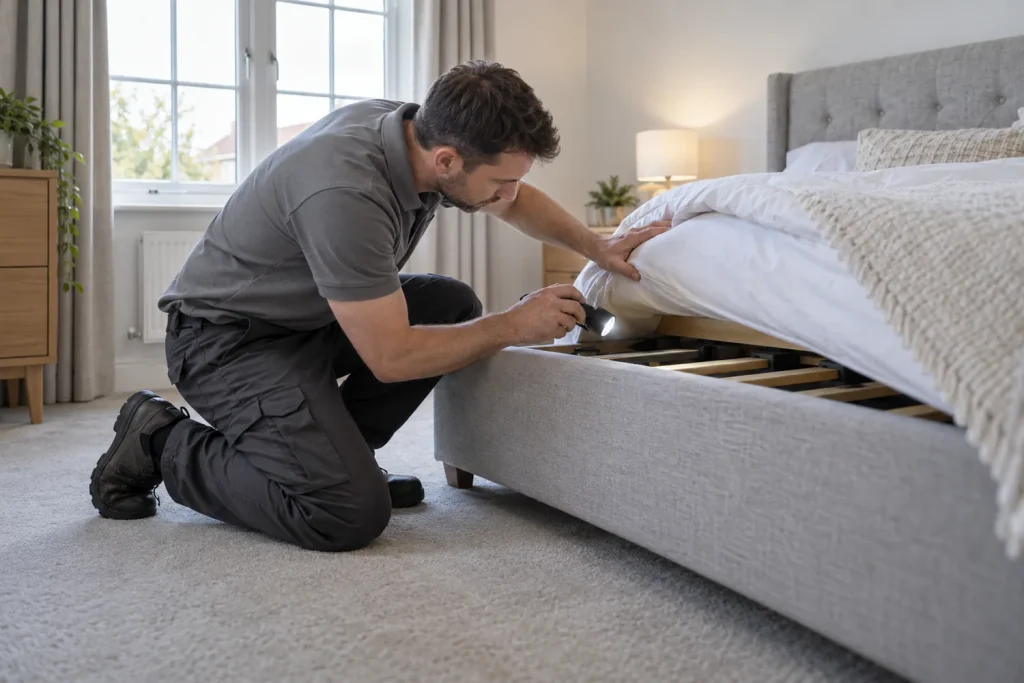
Before taking a wardrobe apart, establish whether the insect has been identified. A photograph or specimen of a suspected bed bug is useful. Tell the technician where it was found and whether there are dark spots, shed skins or blood marks on bedding. Bites can be a clue, but the NHS lists several physical signs and advises contacting a pest control service if you think bed bugs are present. A treatment plan should begin with an inspection of the likely hiding places.
Ask which rooms will be inspected and which are expected to be treated. A bed bug problem may involve a chair where someone naps, a sofa or adjacent rooms as well as the bedroom. Do not move a potentially affected mattress or bedside table into an untreated room to make space. If you share a building, explain any relevant access issues to the provider and the person responsible for the property.
Make a brief map of signs before cleaning. Photograph the position of an insect or spotting, then note the date. An inspector can use this record even if sheets have been washed by the appointment. If you have already used a spray, powder or other product, provide the label or exact product name. That information matters for safety and for choosing the next step.
Clear access without scattering belongings
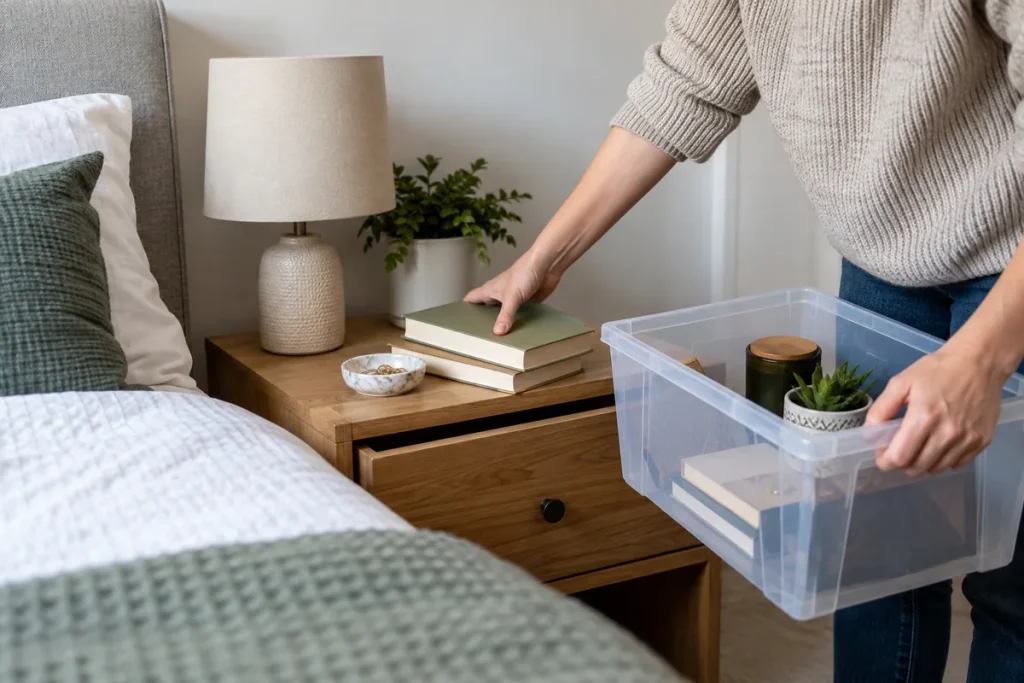
The technician may need to inspect mattress seams, the bed frame, skirting, bedside furniture and nearby upholstery. Move ordinary clutter away from those areas, but keep potentially affected items in the room until you have been told how to handle them. Place loose belongings in bags or containers where appropriate, label them clearly and keep checked items separate from unchecked ones. Avoid putting everything into a corridor or spare bedroom.
If heavy furniture blocks a wall, ask whether it should be moved before the visit and who can do so safely. Do not risk injury shifting a wardrobe alone. Do not dismantle electrical fittings or open wall voids. Bed bugs can hide in narrow spaces, but professional access needs to be planned around the room and its hazards.
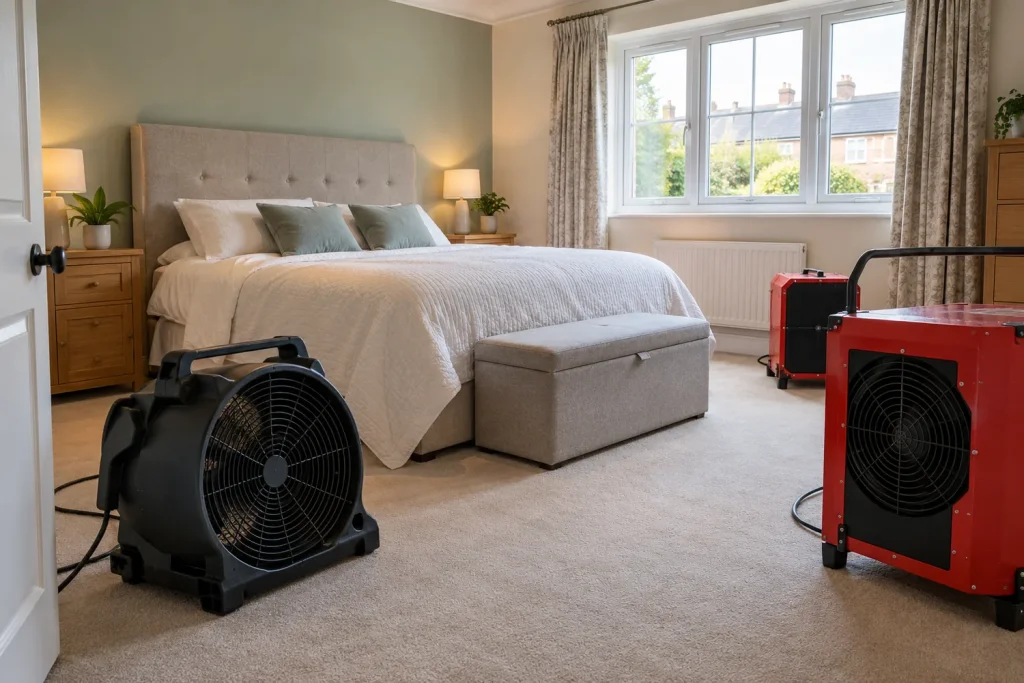
Keep a list of items that need special attention: electronics, books, photographs, cosmetics, medicines, artwork, musical instruments and delicate textiles. A treatment provider can advise whether they must be removed, protected or left in place. This is especially relevant for professional heat treatment for bed bugs in Greenford, where heat-sensitive belongings need a deliberate plan. Never guess that a household object will tolerate a treatment just because it survived a warm room.
Handle bedding and clothes carefully
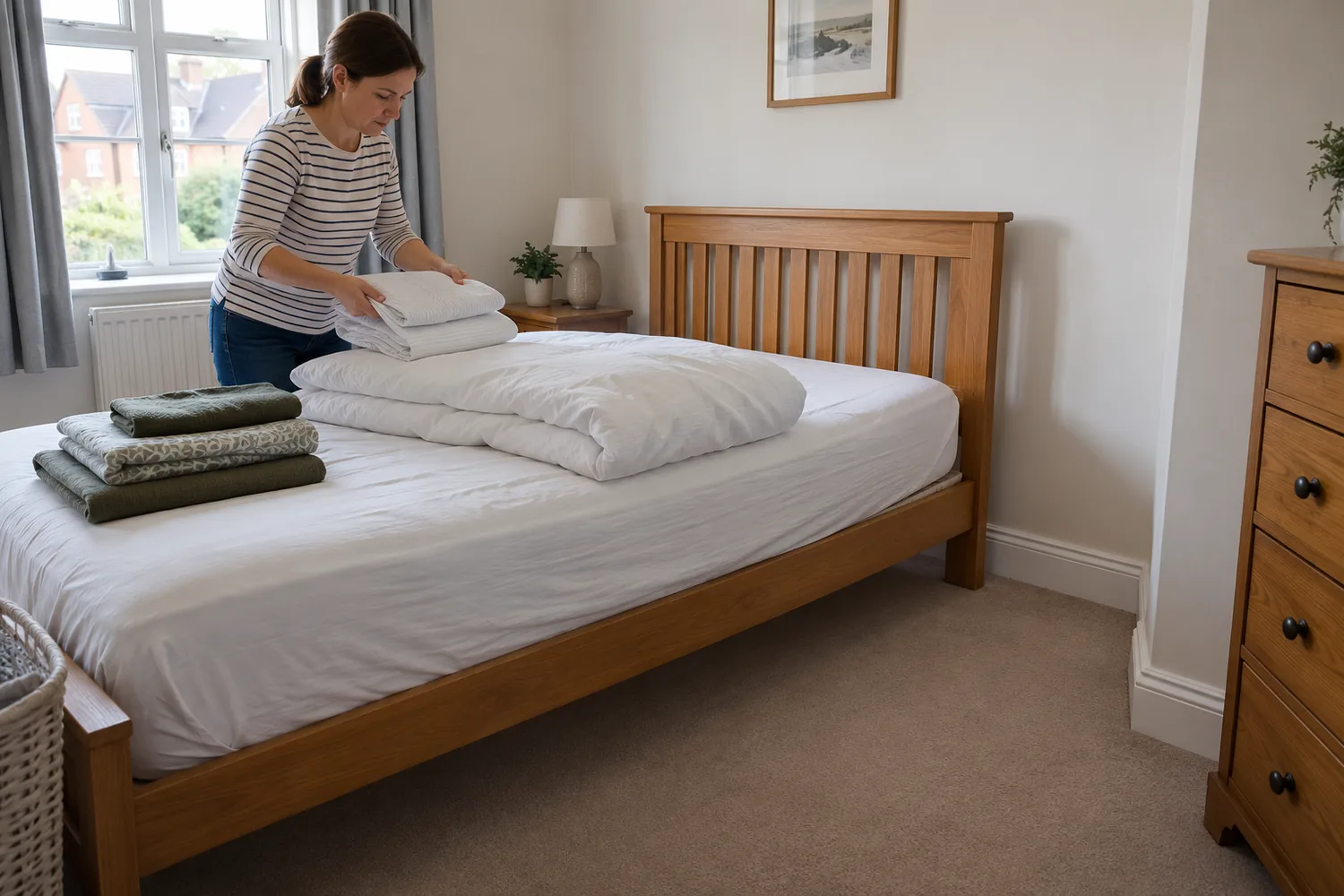
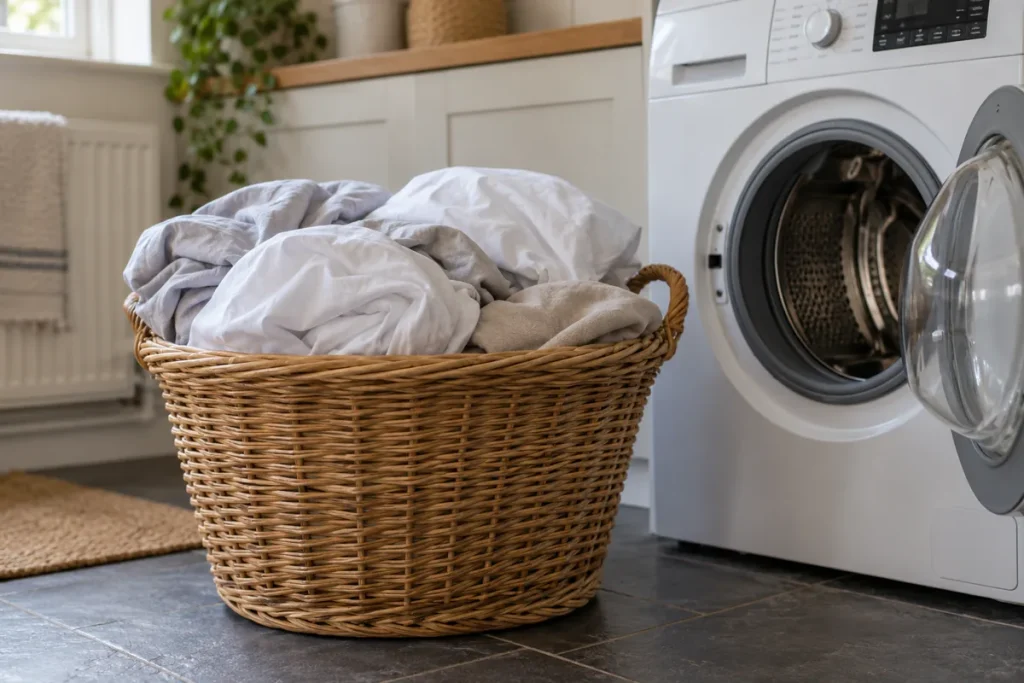
Ask when bedding should be stripped. If the provider asks you to remove it, bag it in the affected room before carrying it to the washing machine. Keep the bag closed during transport. The NHS recommends washing affected bedding and clothing at 60°C and using a hot tumble-dry cycle for at least 30 minutes where the care label permits. Sort fabrics by what they can safely withstand. A delicate item may need an alternative method agreed with the provider.
Do not put freshly processed clothes back into an unchecked suitcase or drawer. Use clean, labelled storage until the treatment and follow-up instructions say where items belong. If several people share the bedroom, give each person's items a separate bag to reduce confusion. Keep children's favourite blankets or daily essentials accessible only after asking how they should be processed; replacing them with unchecked items defeats the separation.
There is no need to discard all clothing or the mattress automatically. A professional assessment can identify which items require treatment, cleaning or disposal. If disposal is necessary, ask how to contain and move the item so that it does not expose other residents. Never leave a suspect mattress in a communal hall or beside a shared bin without a safe plan.
Cleaning before and after: get the order right
Many providers ask for vacuuming and cleaning before treatment, but the required scope varies. Ask whether to vacuum the mattress, frame, floors and nearby furniture, and how to dispose of the vacuum contents. A council treatment checklist may include detailed cleaning, yet the same instructions should not be copied into a different provider's programme. Follow the instructions given for your specific treatment.
Post-treatment cleaning is especially important to clarify. Some residual treatments rely on product remaining in particular areas for a set period; vacuuming those surfaces too soon could interfere. Heat treatment may have different follow-up advice. Write down when you can re-enter, when bedding can return, which surfaces can be cleaned and whether any area must be avoided. If instructions are unclear, ask before you leave the appointment.
Do not add your own insecticide or fogger before the technician arrives. Apart from possible exposure around sleeping areas, an unplanned product may complicate identification or the chosen treatment. Likewise, do not use domestic heaters, hairdryers or open flames in an attempt to pre-treat furniture. Specialist heat equipment is monitored and used after assessing the room and its contents.
Prepare the people who use the room
Tell the provider about children, pets, mobility needs, respiratory concerns and any other practical issue that affects access or temporary absence. Ask how long the room will be unavailable and whether someone must be present for the visit. Arrange a sensible place for pets and essential belongings during any exclusion period. Do not assume another provider's re-entry time applies to yours.
If you rent, tell the landlord or managing agent promptly and keep the appointment and preparation instructions in writing. If you own a flat, ask whether any building-wide issue is suspected rather than assuming the activity is confined to your unit. Avoid blaming a neighbour or previous occupant without evidence. Accurate dates and locations help everyone act constructively.
If the evidence turns out to be associated with rugs or stored natural fibres rather than a sleeping area, an inspection may reveal a different pest. The Greenford carpet beetle treatment service is relevant to one common textile problem. Correct identification before preparation prevents unnecessary disruption.
Questions worth asking before the appointment
Ask what will be inspected, what items must be bagged, which fabrics can be laundered, who moves heavy furniture and what must remain accessible. Confirm the method proposed, the precautions for occupants and pets, the re-entry instructions, and the follow-up schedule. Ask what signs should be reported afterwards and whether seeing an insect immediately after treatment changes the plan. Put the answers in a short checklist for the household.
Good preparation is controlled, not frantic. It makes hiding places accessible while keeping belongings contained and preserving evidence for the inspector. With clear provider instructions, the visit can address the room as it is actually used. The Greenford bed bug treatment page is the next step if you need an assessment.
Need help with a pest concern in Greenford?
Describe the signs you have noticed and where you found them. The team can discuss a suitable next step for your property.
Contact the team