A cockroach sighting in a flat, office or shared corridor raises an awkward question: who needs to be involved? One occupier may see the insect, while service pipes, waste areas and access to neighbouring units are managed by somebody else. A useful response identifies the affected places, informs the right contacts and keeps an evidence trail. It should not begin with a claim that another resident caused the problem.
The site's cockroach-control service in Greenford describes inspection of warm harbourages, service routes, food and moisture. In a shared building, those routes may cross responsibility boundaries. The challenge is to coordinate access and maintenance so a targeted assessment is possible.
Record the first report accurately
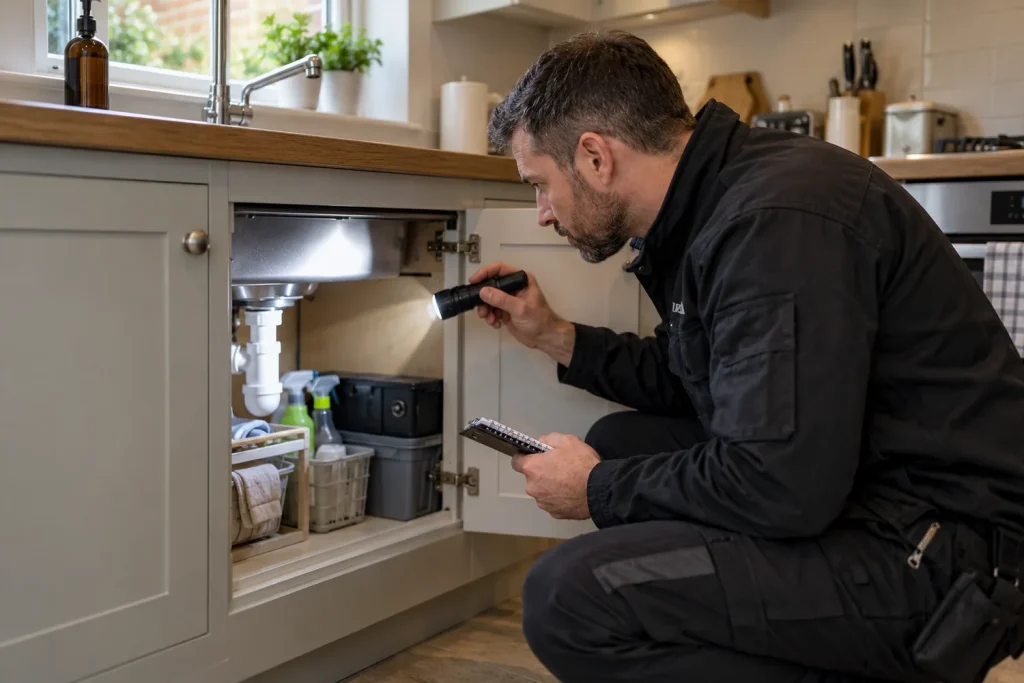
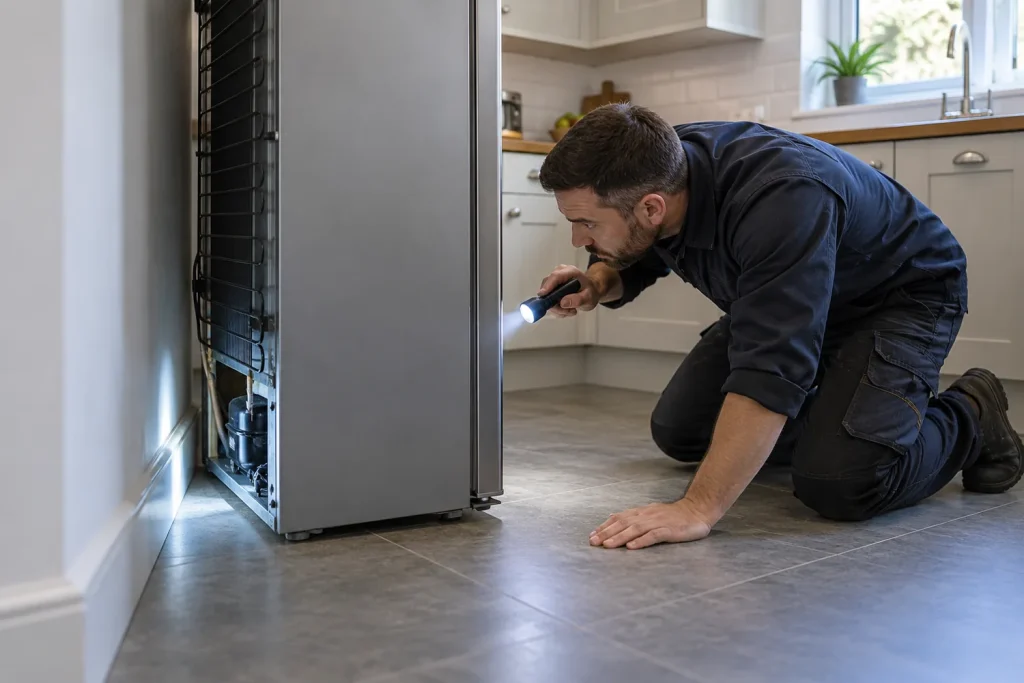
Ask the person who saw the insect for the date, time and exact location. Was it in a kitchen, bathroom, stairwell or bin store? Was there a photograph? Did it run into a cupboard, under an appliance or through a wall opening? If the insect was not clearly identified, record it as a suspected cockroach. A brief report should separate observation from interpretation.
In a residential block, keep photographs focused on the pest and location rather than other residents' belongings. In a workplace, tell the person responsible for hygiene or premises management. If food preparation is involved, follow the site's food-safety procedure promptly. Protect exposed food and clean affected surfaces, while preserving enough information to guide the inspection.
Explain why one flat may not be the whole picture
Pipe runs, risers, wall voids and shared cupboards can link parts of a building. An insect seen in one unit might have a harbourage there, elsewhere in the structure or near a communal area. The visible place is only a starting point. Likewise, a clean flat can have a pest issue if access or neighbouring conditions support movement. Avoid conclusions about blame until an assessor has inspected the evidence.
Share a factual summary with the landlord, managing agent or facilities contact: what was seen, where, when and what access is available. Ask whether there are related reports, but handle other occupants' information appropriately. Coordinated observations may reveal a route that separate complaints would miss. The site's About page emphasises that inaccessible spaces and adjoining areas can limit an assessment.
Identify who controls each area
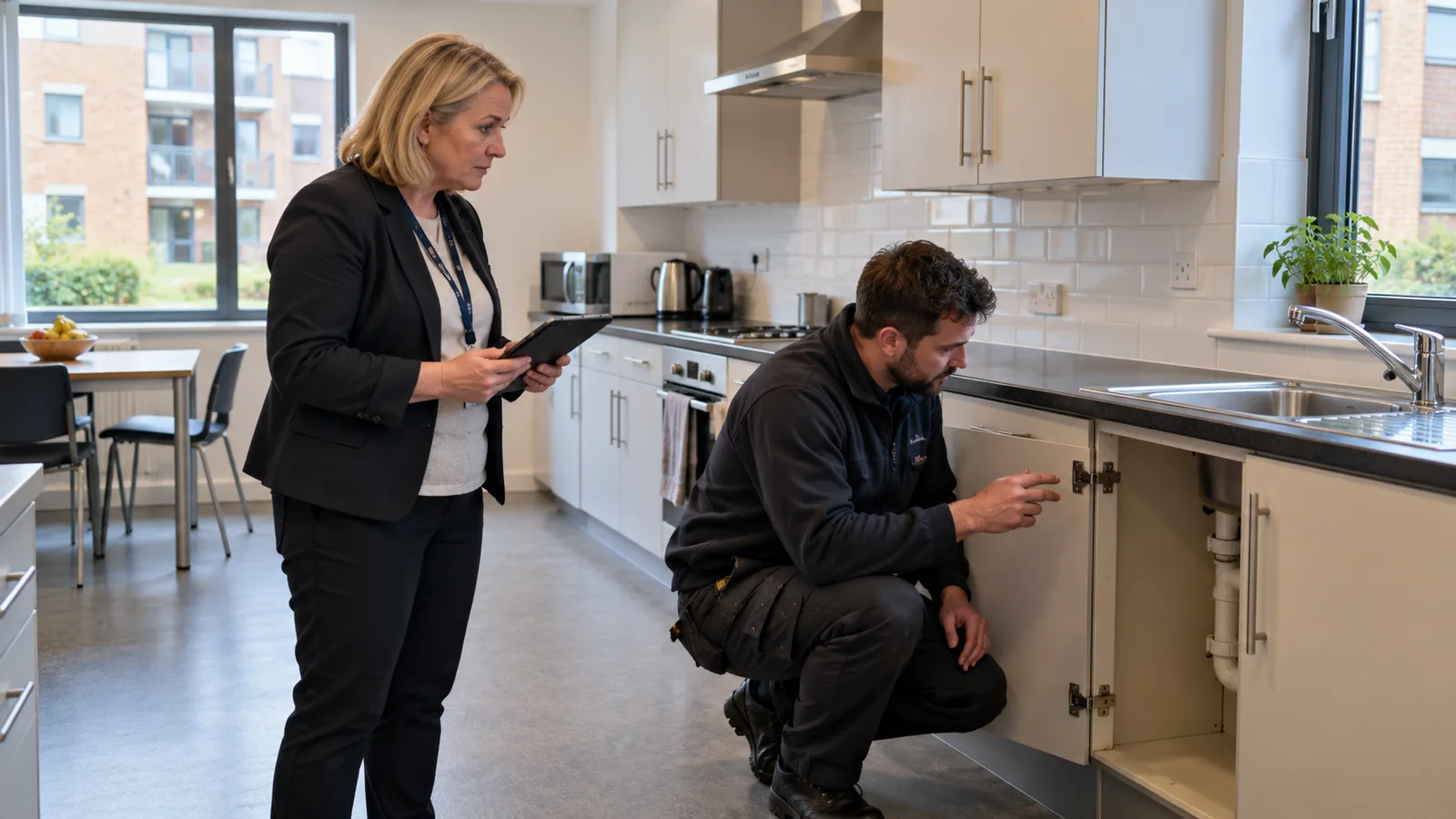
Make a simple list of locations: the reporting unit, neighbouring service cupboard, shared corridor, refuse area and any plant room relevant to the sighting. For each, identify who can authorise entry and receive instructions. A pest professional cannot inspect a locked riser without access, and a building manager may not be able to enter a private flat at short notice. Arrange this before the appointment where possible.
Do not demand that every neighbour open their home based on one unconfirmed insect. Start with the affected area and ask the assessor whether wider access is justified. If it is, explain the evidence and the limited purpose of the visit. A clear request is more likely to obtain cooperation than an alarmist message about a building-wide infestation.
Keep waste and moisture in the discussion
Communal bins, food waste and leaks can influence pest activity. Check whether lids close, waste is collected as arranged and spills are cleaned. Report a leaking pipe or persistent damp to maintenance. These actions are sensible even before a species is confirmed, but they do not prove the source. A bin area may be one of several places to inspect.
Do not turn the issue into a debate about cleanliness alone. Cockroaches can shelter in spaces that routine cleaning cannot reach. Maintenance and pest work may need to proceed together: a leak repair, safe access behind equipment and monitoring in relevant positions. Assign each action to a person so the recommendation does not disappear between teams.
Use a single activity log
If several occupiers report sightings, use one shared format: date, time, room or communal area, photograph if available and a brief description. The log should not expose private household details to everyone. A manager can aggregate locations for the assessor while protecting residents' information. Mark where cleaning, repairs or treatment occurred so later observations have context.
Repeated sightings at one riser or bin-room door may justify a different inspection priority from isolated reports in unrelated rooms. Do not overinterpret a small sample, but do not discard it either. The BPCA cockroach guidance supports identifying the pest and understanding its behaviour before control.
Coordinate treatment instructions
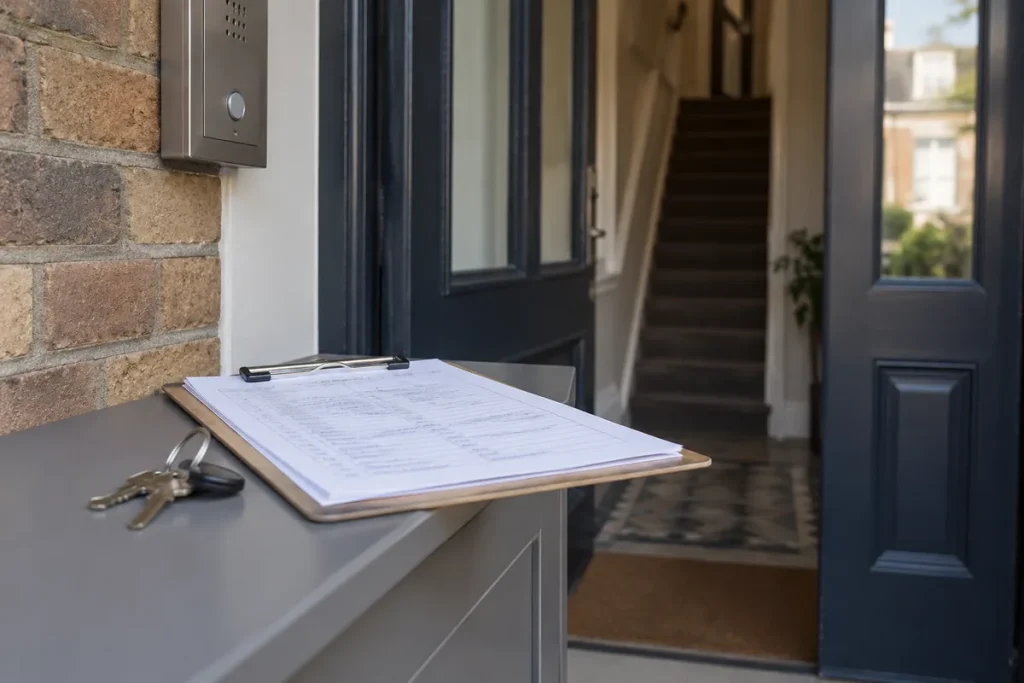
If the assessor recommends treatment in more than one area, each affected occupier needs clear preparation and aftercare instructions for their part of the work. A notice in a communal hallway may not be enough for a person whose kitchen cabinet must be accessible. Explain where access is required, who will attend and whom to contact about a safety or mobility concern. Ask the technician to specify any room-use restrictions for the actual method.
Do not let residents apply assorted products in parallel without telling the contractor. This may complicate monitoring and add exposure. The HSE biocide guidance says to consider non-chemical options, use products only for their authorised purpose and follow labels. Professional-only products are not a household workaround. A coordinated plan allows the assessor to compare results across the building.
Avoid blame in communication
Words matter when asking neighbours for access. Say "cockroach activity has been reported near the shared service route" if that is what the evidence shows. Do not say a named flat is the source without proof. Provide the date of the inspection, the areas to be checked and the person responsible for arranging access. Keep messages short enough that people know what to do.
If a tenant reports feeling blamed, return to the evidence. The insect's presence is a building-management problem to investigate, not a verdict on the person who reported it. Encourage new sightings to be documented rather than suppressed. The Greenford contact page asks for affected rooms and access limits, which can be collected without assigning fault.
Review more than one doorway
After the agreed work, compare activity across the original locations. Were monitors reviewed? Were leaks repaired? Was a riser inspected or did access remain unavailable? A quiet flat beside an active communal space may still need follow-up. Conversely, a new insect found near a window might require fresh identification rather than an assumption that the original cockroach problem has spread.
If insects are linked to different conditions, avoid treating them all as cockroaches. An insect around pet resting areas may warrant checking the flea treatment guidance, while a silver insect in a damp bathroom may fit the silverfish-control service. The assessor should identify what is present in each place.
A practical close-out
Consider a service doorway as a case study
Suppose two flats report insects near their kitchen pipe boxing, while the cleaner sees one beside a locked service cupboard. The sensible next step is not to treat either flat as the culprit. The manager can put the three dated observations on a plan, arrange access to the cupboard and ask the technician to identify the insects and inspect the route. If a leak is found, maintenance can repair it; if a harbourage is confirmed, the treatment plan can cover the relevant places. That sequence is more precise than sending each household a general spray recommendation.
Ask for a summary that names confirmed activity, areas inspected, limitations, treatment carried out, maintenance still needed and the review point. Share the parts relevant to each occupier without disclosing unnecessary private information. Keep the log open for any fresh signs during the agreed period. A shared building response succeeds when the evidence, access and follow-up connect across rooms. No single tenant can supply all of that alone.
Need help with a pest concern in Greenford?
Describe the signs you have noticed and where you found them. The team can discuss a suitable next step for your property.
Contact the team