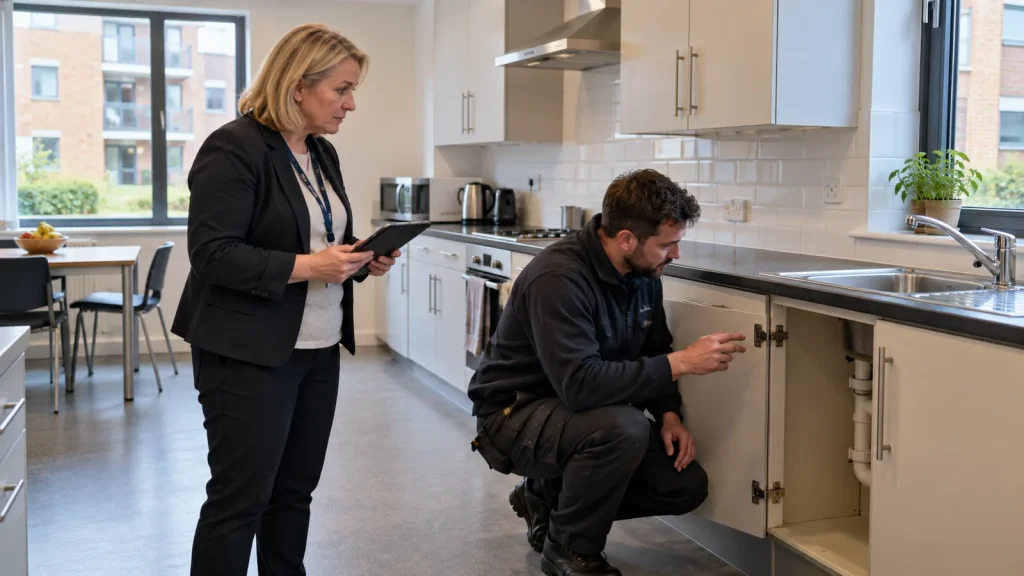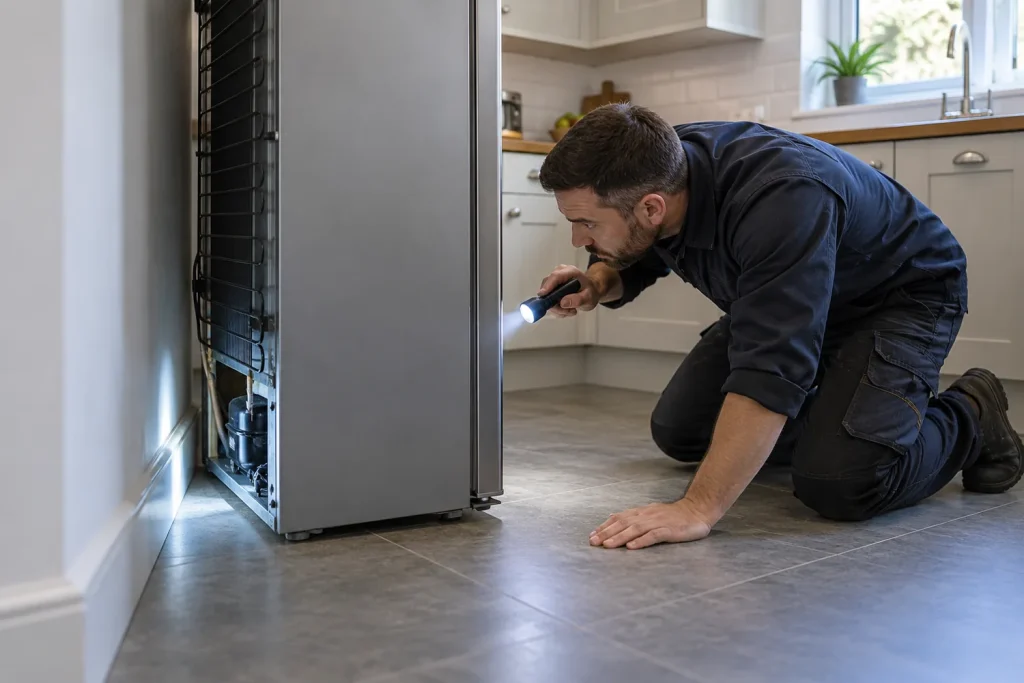
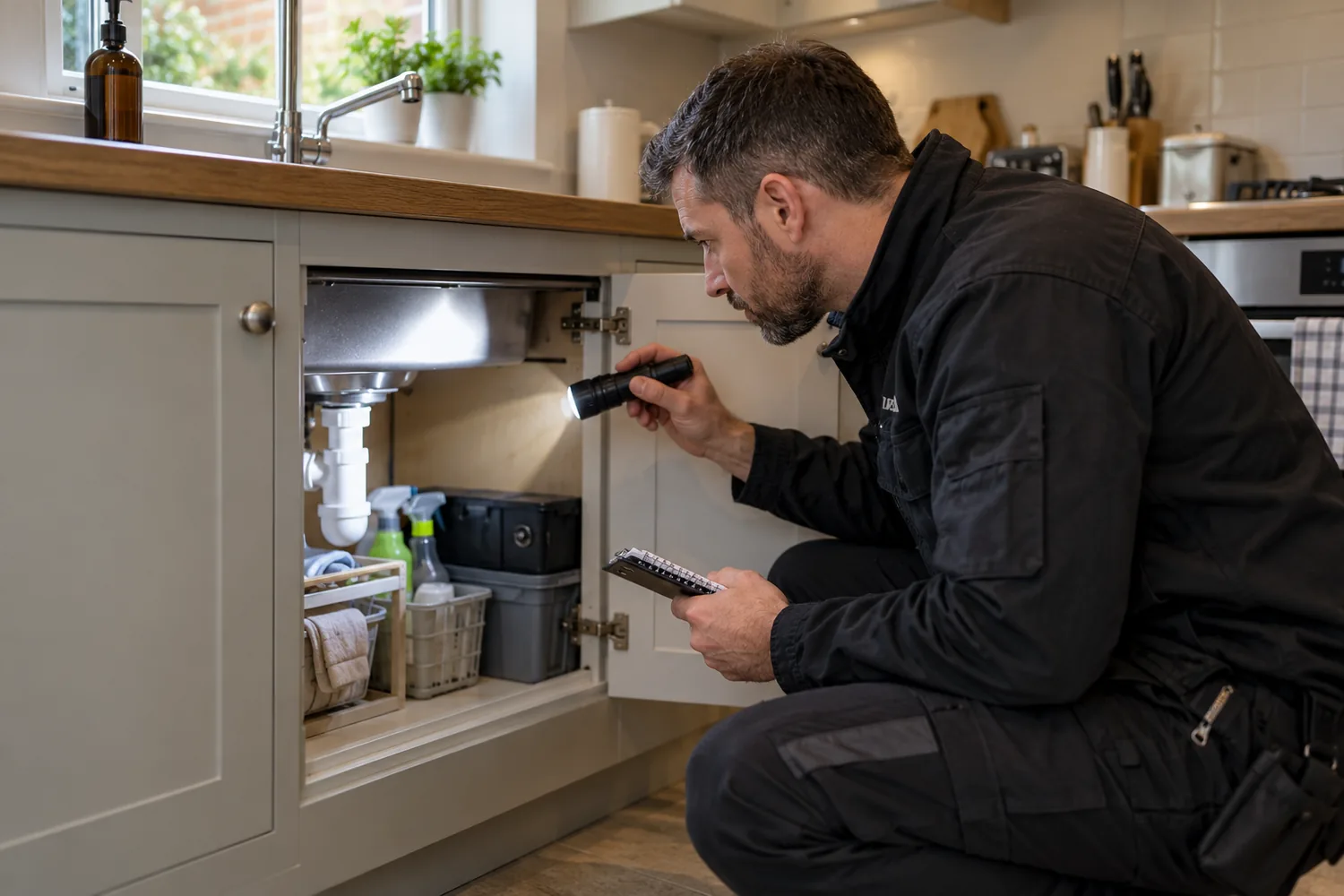
A cockroach seen running across a floor is obvious. The smaller clues are easier to overlook: a capsule-like object at the back of a cupboard, tiny dark marks along an edge or a shed skin beneath an appliance. These observations can help locate activity, but they can also be confused with ordinary debris or signs of another insect. The value lies in recording the place and pattern, not naming a species from one object.
For a Greenford home or business, the sensible first step is a careful look at accessible areas and a request for identification. The site's cockroach treatment page explains that inspection of warm shelter, food and moisture guides the response. This guide focuses on what to observe and what to leave for a professional assessment.
What an egg case can and cannot tell you
Cockroaches produce egg cases, often called oothecae. Their appearance varies by species. A small brown capsule in a cupboard might be relevant, yet a photograph alone may not prove its identity or whether it is viable. Do not crush, open or handle a suspected case with bare hands. Photograph it beside a familiar fixed feature, such as a shelf support, and note the date. If it can be safely contained without spreading debris, ask the assessor whether to retain it.
The BPCA cockroach advice describes common species and signs. Use it to understand why identification matters. An egg case's position near a fridge or pipe route may be more useful than an uncertain visual comparison with an online image. An assessor can examine the surrounding area for other evidence before deciding what it means.
Small dark marks need context
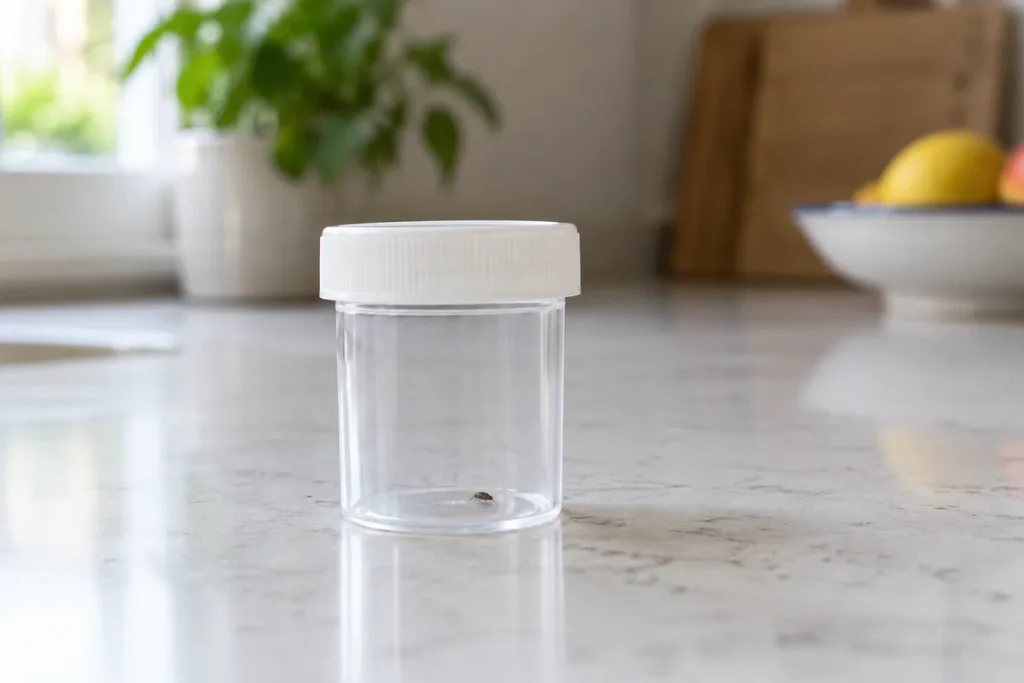
Spotting may appear along a sheltered edge, around a crack or behind equipment. Grease, dust, food residue and building dirt can look similar at a glance. Photograph the mark in place and note whether it recurs after appropriate cleaning. A pattern in several sheltered places is more informative than one speck. Do not scrape a large amount of material loose simply to test it.
If the mark is in a food area, protect exposed food and clean the relevant preparation surface. Keep the original observation in your record. A technician may need to inspect inaccessible edges, so tell them what was cleaned and when. The aim is to maintain hygiene without erasing the only description of the problem.
Shed skins are easily missed
Insects shed their outer covering as they grow. A pale or brown shell beneath a unit may be a sign of activity, but its source may not be obvious. Look for its shape and the place it was found. A close photograph can help if it remains intact. Do not scatter loose material or sweep it through the kitchen before recording it. If a specimen is safely collected, label the container with the room and date.
Several types of insects may leave cast skins. Carpet beetle larvae, for example, can leave material associated with natural fibres rather than a warm kitchen harbourage. If the signs are concentrated in rugs, wool or stored textiles, the site's carpet beetle treatment page may be a better comparison. The location and damaged material help distinguish the problem.
Search where shelter and resources meet
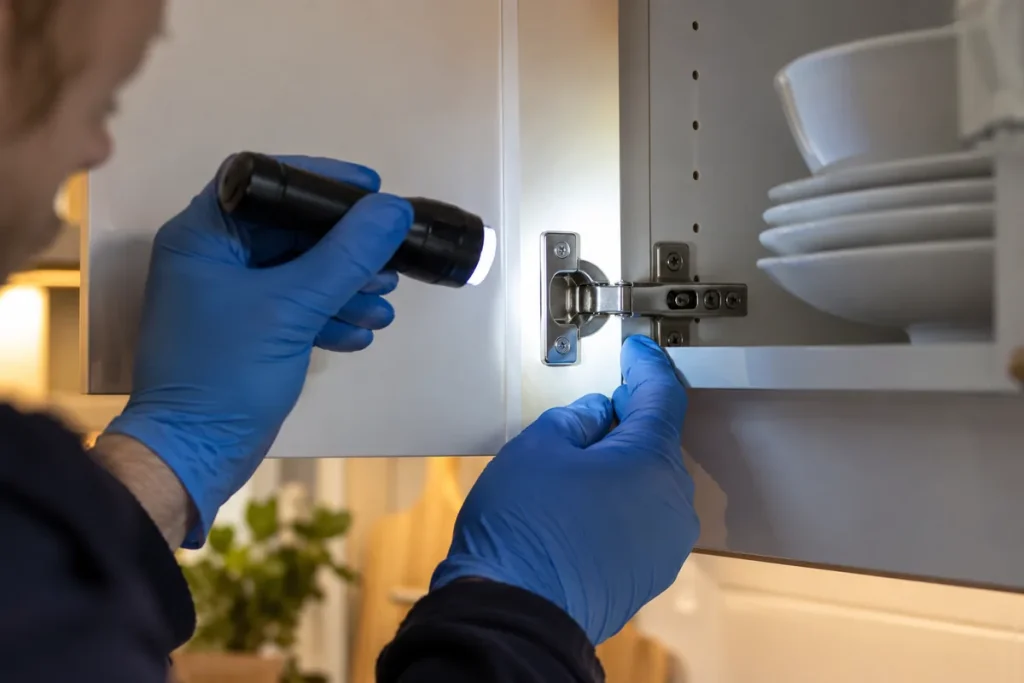
Accessible cupboard bases, pipe entries, skirting edges and the spaces beside appliances are reasonable places to inspect with a torch. Avoid dismantling electrical equipment or moving heavy fitted units without help. Look for a combination of live insects, cases, skins and spotting rather than relying on one clue. Note leaks, standing water and food residue that may support activity, but do not interpret them as proof on their own.
In a shared building, a service void may connect rooms or units. A sign at the back of one cupboard does not prove where the insect originated. If the route may be communal, describe the evidence factually to the building contact. Coordinated access can become important if the assessment points beyond one kitchen.
Keep a simple evidence map
Draw a rough plan of the kitchen or room. Mark each observation with a date and short description: "possible case behind lower left cupboard", "live insect by fridge at 22:00" or "dark marks under sink". This is more useful than a photo folder with no labels. Repeat the check in the same accessible spots after a few days, noting any cleaning or repair between visits.
Do not turn monitoring into a nightly demolition of the kitchen. A few consistent checks reveal a pattern more reliably than moving every appliance once and forgetting what was where. If a technician places monitors, leave them in the agreed positions and record the results as instructed. Their placement and interpretation are part of the assessment.
Why species identification matters
Different cockroach species can behave differently and may use different parts of a building. A small insect does not necessarily mean a young stage of a larger species, and colour can be distorted by light or a phone camera. A pest professional may compare the body, markings, case and location before naming it. Avoid specifying a treatment product because an internet image looks similar.
If your first sighting was a jumping insect around pet bedding, consider that fleas are a different possibility. The site's flea treatment information addresses animal resting areas and premises preparation. If the insect is silver and moves in a damp bathroom, silverfish control may be relevant. These comparisons are prompts to seek identification, not diagnoses.
Avoid making a hidden problem harder to assess
Spraying a broad area, moving potentially affected items between rooms or sealing a suspected route before inspection can change where insects appear. Some products may also interfere with later targeted control or create exposure in food areas. Tell the technician about anything already applied. Do not use a professional-only product at home. The HSE's biocide guidance says products must be suitable for their intended use and labels followed.
Non-chemical actions can begin while identification is pending: close food containers, clean accessible spills, use a lidded waste bin and report leaks. These steps reduce resources without pretending to reach a hidden harbourage. A treatment plan may involve monitoring, targeted control, maintenance and follow-up, depending on the findings.
What to ask at the assessment
Show the labelled photographs and map. Ask which items were identified confidently, whether live activity was found and which areas could not be inspected. Ask where the likely harbourages are, whether a shared service route matters and what preparation is needed. A clear explanation should distinguish observations from assumptions and describe how the result will be reviewed.
The site's contact guidance asks for the affected rooms, signs and access limits. A few precise notes about egg cases, skins or spotting can make that conversation much more productive than the general statement "we have cockroaches everywhere".
Let several clues add up
An egg case, a mark or a shed skin is a lead. Repeated live sightings and a cluster of physical signs in sheltered areas make a stronger case for continuing activity. Record the evidence safely, protect food and ask for a targeted inspection. The aim is to locate the source and choose an appropriate response, not to collect every fragment or declare a species from the first object you find.
After treatment, retain the same map and add new observations rather than starting from memory. A case found later may have been overlooked earlier, while a fresh live insect at a different service opening may signal a route needing review. Ask the technician what change they expect to see and when to report a new sign. Without an agreed comparison point, a resident may mistake ordinary debris for failure or overlook activity that has genuinely shifted. The record gives both sides a shared account of the room.
Need help with a pest concern in Greenford?
Describe the signs you have noticed and where you found them. The team can discuss a suitable next step for your property.
Contact the team