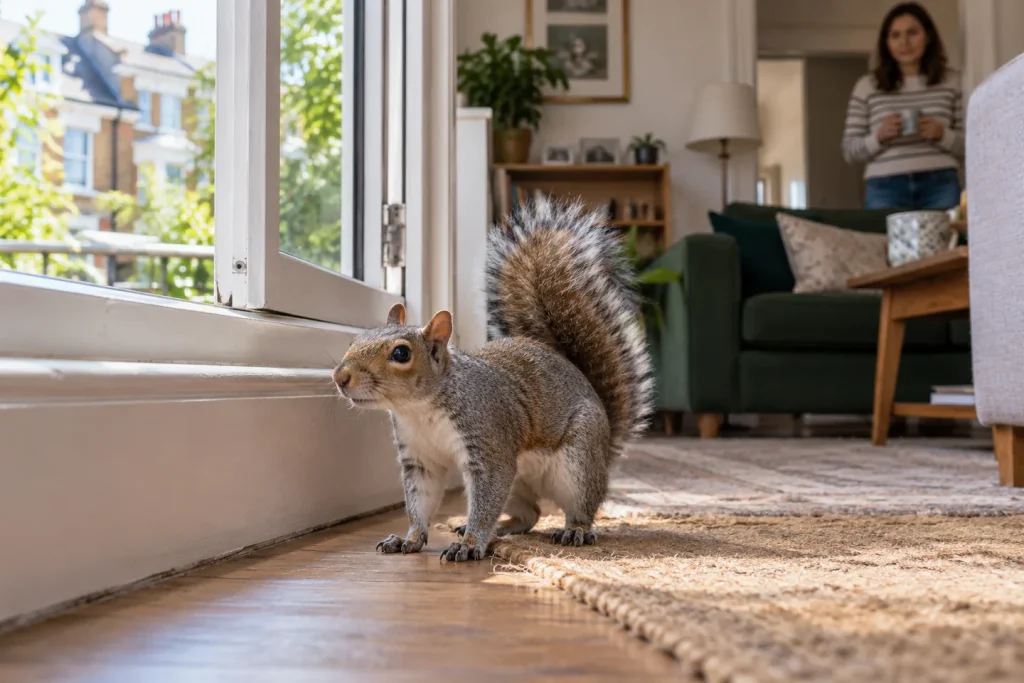
The end of roof-space noise is a relief, but it is only one part of resolving a squirrel problem. If the entry point remains open, another animal may use it. If a gap is closed before the loft is clear, an animal or young may be trapped. Prevention therefore starts with confirmation of clearance, then a sound repair, followed by checks that the roof stays intact. A little documentation makes that sequence easier for householders, landlords and tradespeople to manage.
Confirm what the treatment established
Ask the pest professional which evidence identified squirrels, where they were active and how clearance was confirmed. Was a particular opening observed in use? Were there signs of a nest? Are further visits or monitoring needed? Do not interpret one quiet night as proof that every animal has gone. Oxford and Crawley councils warn that proofing an occupied opening can cause suffering and further damage.
Keep a simple record of the dates of treatment, last confirmed activity and advice about repair timing. Share it with the roofer before work begins. If the property is rented, provide the same note to the landlord or managing agent. The sequence is particularly important when the person treating the animal is not the person who owns or repairs the roof.
What clearance should mean in practice
A useful clearance decision is based on the animal's observed movements, physical signs and professional judgement. Ask whether any part of the loft could not be inspected. If young may be present, the plan needs to account for them. Do not close a hole simply because you have not heard movement during a daytime visit. A professional can explain what evidence is sufficient for that property and when the permanent repair can proceed.
Repair the actual route, not just the visible mark
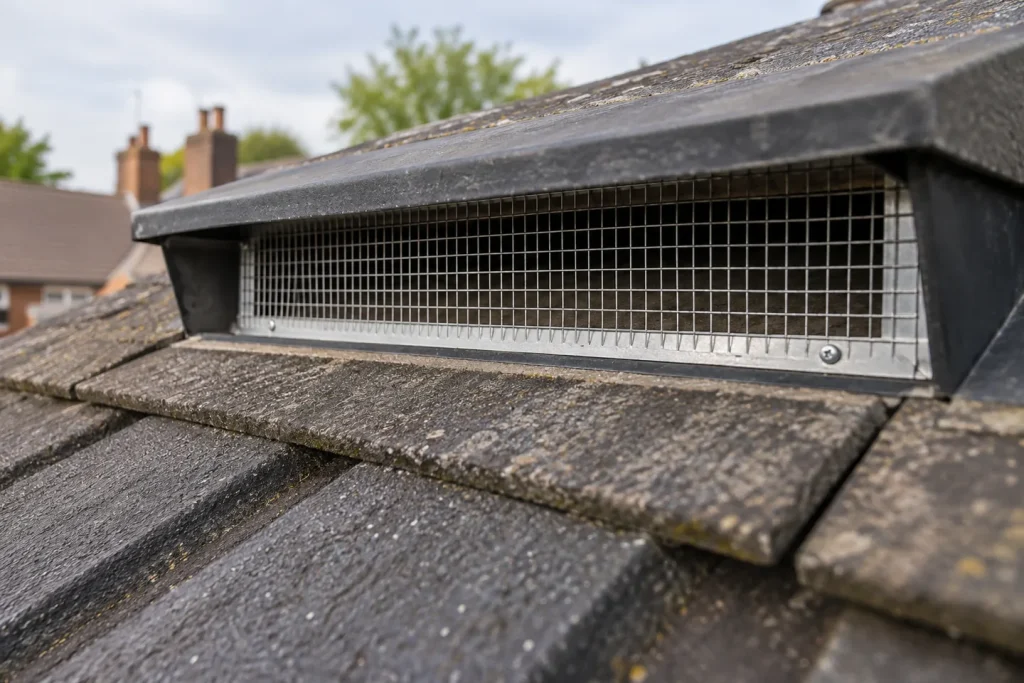
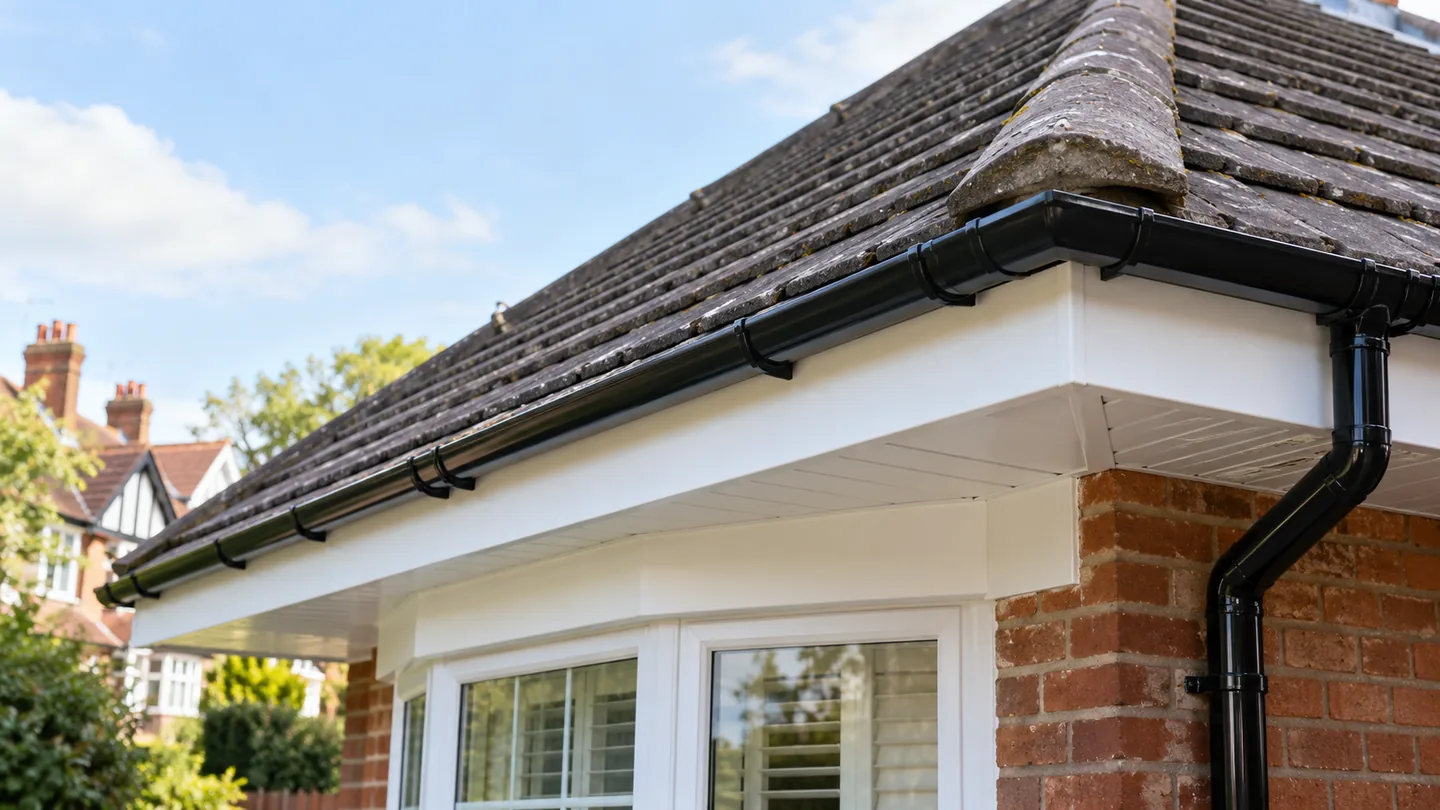
The damaged fascia or vent you first noticed may be the entry point, but it could also be old damage. Have the roofer inspect adjacent edges, tile gaps, soffits and any other openings identified in the pest report. A repair should restore weather resistance as well as prevent animal entry. Foam or loose filler used as a quick patch may conceal a gap without providing a lasting roof repair. The correct material and method depend on the building's construction.
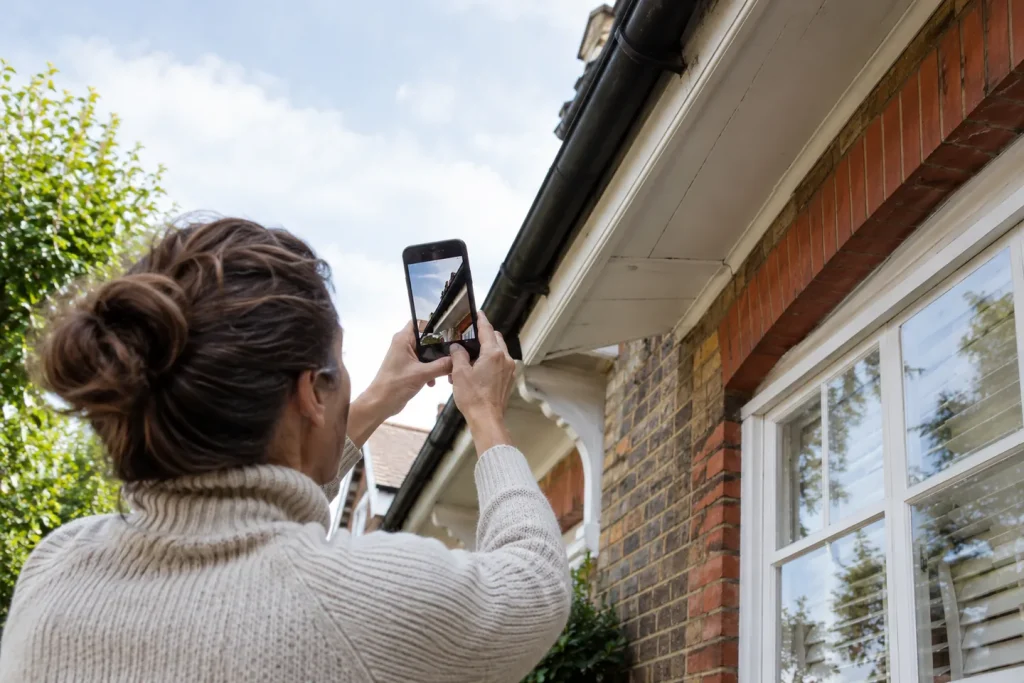
Take a photograph before and after work from a safe ground position. Ask for a short written description of what was repaired. If a scaffold or roof access is already in place, it may be sensible for the roofer to inspect nearby defects at the same visit. Do not climb onto a roof yourself. The Greenford squirrel control service can help connect the observed activity to the repair plan; a qualified roofer handles the structural work.
In terraced or attached properties, the animal may travel through a shared roof space. A repair over one room will not solve an opening at another elevation. Discuss access with neighbours or the managing agent where relevant. Record which parts were checked and which were not, so a later recurrence does not send everyone back to the beginning.
Reduce easy approaches to the roof
Branches touching or overhanging the roof can offer a route. Coventry and Oxford councils recommend managing trees close to buildings. Work at height or near power lines should be handled by a competent professional; a homeowner should not cut a large branch from a ladder as a pest-control shortcut. If the tree has protection or belongs to someone else, check the appropriate permissions first.
Clean spilled bird seed and store feed in secure containers. This will not prevent a determined squirrel from crossing a roof, but it removes a reason to linger near the property. Keep bins closed and avoid leaving edible waste in accessible places. Do not assume that removing a feeder substitutes for repairing an opening. Building access and food attraction are related but separate issues.
Check the building envelope seasonally
From ground level, look at fascias, soffits, vents and tile edges after severe weather and during routine home maintenance. Note new gaps or displaced materials early. A quick photograph at the same angle each time can reveal change. This is not an instruction to inspect the roof by climbing; it is a prompt to notice visible defects and commission repair before an animal uses them.
Address any damage inside the loft
Once the area is clear, ask whether insulation, timber, pipes or wiring were affected. A pest professional may identify suspicious damage, but a qualified electrician should assess electrical cables and the appropriate building trade should repair structural or water damage. Do not move insulation to inspect wiring yourself. If material has been soiled, ask about safe cleaning and replacement. A silent loft with damaged wiring or an unweatherproofed roof is not a complete result.
Keep photographs and invoices with the property records. They show what was checked and repaired if similar noise returns months later. Avoid discarding evidence before the relevant person has inspected it, but do not leave contaminated material in occupied areas. If there is an urgent electrical or water concern, deal with that hazard promptly even while pest follow-up continues.
It is worth asking for a close-out note that names the original entry point, the repair method, and any remaining limitations. For example, a contractor may have checked the rear eaves but not an inaccessible adjoining roof. That is different from saying the entire roof is secure. A precise record helps the next person inspect an unexamined section rather than repeat work already done. It also gives a landlord or homeowner a concrete maintenance item to follow up when access becomes available.
If ceiling staining or a new draught appears after proofing, ask a roofer to check the weather seal. Preventing animal access should not compromise ventilation or drainage paths designed into the roof. A repair that closes a hole but leaves rainwater entering can create a different long-term problem. The building should be sound as well as quiet.
Monitor for a meaningful period
Listen for recurring movement and watch the former entry point from the ground. Note the date and time of any new sound or sighting. Do not assume every creak is a squirrel; temperature and wind can move roof materials. A repeated daytime run combined with renewed use of a gap is stronger evidence than one unexplained noise. If activity returns, share the old and new records with the inspector so they can test whether the original repair failed or a second route exists.
If evidence now appears lower in the building, consider a different pest rather than attributing it automatically to squirrels. The site's rat control page and mouse control page cover other possible signs. Good follow-up asks what the current evidence shows, even if the property's previous problem was different.
Make responsibilities clear in a rented property
The occupier may hear activity, the pest professional may clear the animal, and the landlord may arrange roof repair. Put the dates and findings in writing so each party knows the next step. Ask who will verify that the repair is complete and who to contact if activity resumes. If a shared structure is involved, the managing agent may need to coordinate access. A factual record prevents a quiet period from being mistaken for a finished repair.
If you need to discuss recurring activity, use the site's contact page and include the original treatment date, repaired area and new observations. The most durable solution is a checked chain of events: correct identification, safe clearance, sound roof repair, assessment of internal damage and monitoring. Each stage supports the next, and together they reduce the chance of another animal taking the same route.
Need help with a pest concern in Greenford?
Describe the signs you have noticed and where you found them. The team can discuss a suitable next step for your property.
Contact the team