
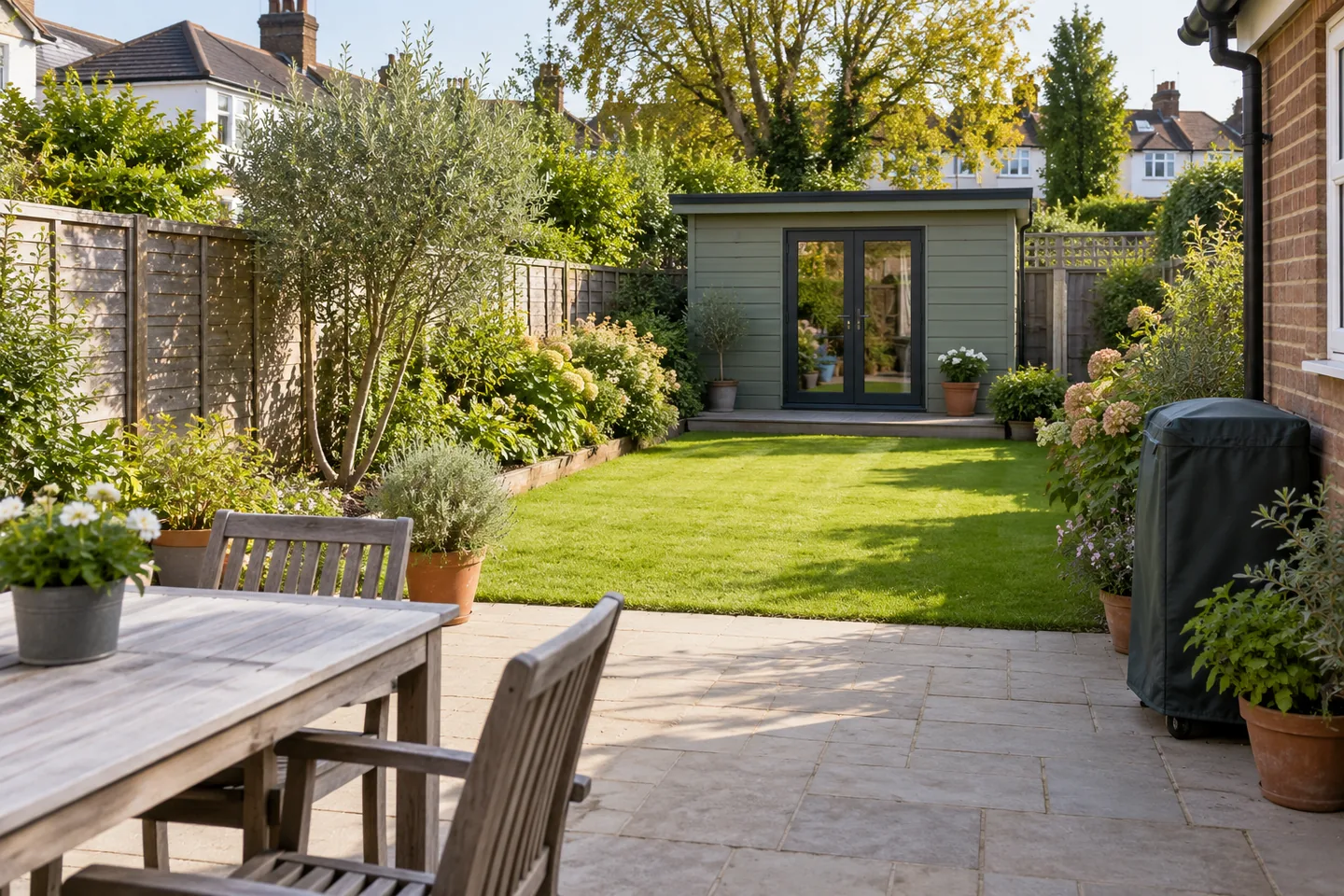
A rat crossing a garden can be alarming, but one sighting does not tell you where it lives or whether it has entered your home. Gardens offer many brief stopping points: a route beside a fence, spilled bird food, a bin that will not close, or cover beneath a shed. The useful first response is to record what you saw, remove obvious food and shelter, and look for repeat evidence without putting yourself in contact with animals or droppings. This checklist helps you work through those tasks in a sensible order.
Start with the sighting, not a conclusion
Note the time, location and direction of travel. Did the animal disappear beneath decking, pass through a fence gap, or run towards a neighbouring garden? A photograph taken from a safe distance can help with identification, but there is no need to chase it. Rats often use established routes alongside walls and fences. A single crossing might be a passing animal; repeated sightings on the same route deserve closer attention. If you see activity in daylight, record it, but do not assume that the hour alone proves the size of a population.
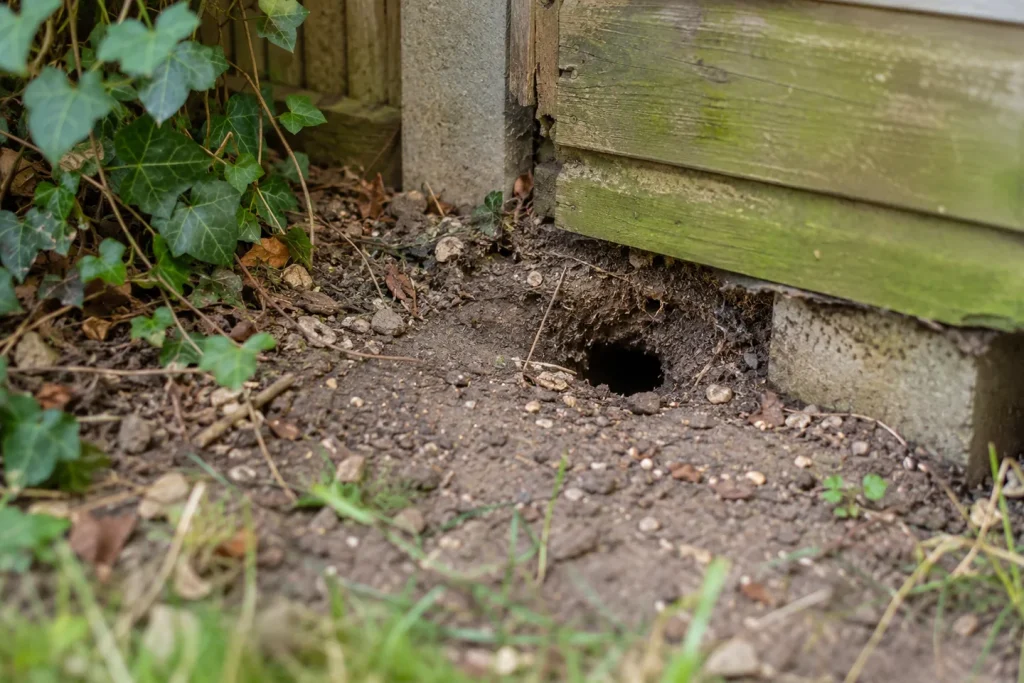
Walk the garden in daylight and look at the ground without disturbing possible nesting areas. Useful signs include holes near structures, narrow worn paths through vegetation, dark smears on frequently used edges, gnawed materials and droppings. Some of these can have other explanations, so consider the pattern rather than treating any one mark as proof. Keep children and pets away from a suspected burrow and leave it undisturbed while you assess the wider setting.
Make a simple evidence record
Draw a rough plan showing the house, shed, bins, compost, bird feeder and fence lines. Mark sightings and signs, with a date beside each. Photograph the position as well as the detail; a close-up of a hole without its surroundings is less useful than an image showing where it sits beneath a structure. If another adult in the household notices activity, ask them to add the time and place. This small record can show whether the situation is persistent and can help a professional focus an inspection.
Remove accessible food first
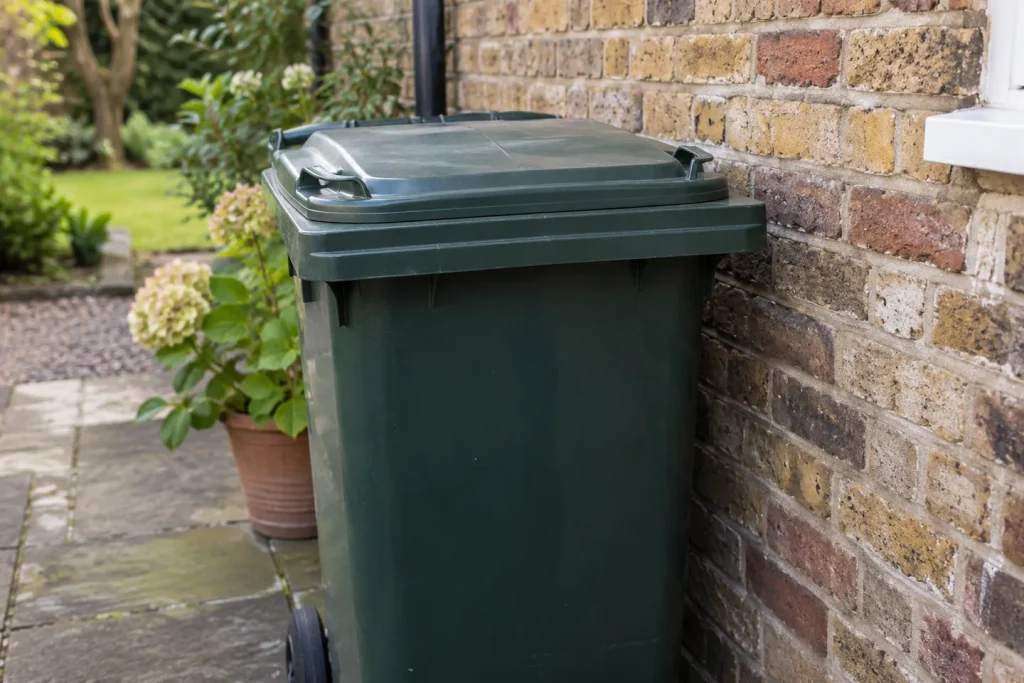
Food is often easier to change than the layout of a garden. Check whether rubbish bags sit outside a closed bin, whether a lid is held open by excess waste, and whether food scraps have collected beneath the container. Keep waste inside suitable bins with lids shut. Clean food residue from recycling before storage and use the collection arrangements provided for the property. If a bin is damaged or too small, seek a repair or replacement through the relevant collection service rather than allowing bags to accumulate beside it.
Bird feeding deserves a separate look. Seed that falls below a feeder can support unwanted visitors even when the feeder itself is above ground. Pause feeding while you investigate persistent rat activity, remove scattered food and clean beneath the feeding point. Similarly, bring pet bowls indoors after feeding and collect fallen fruit. These changes are not a treatment in themselves, but they reduce the reward for repeated visits. North Lanarkshire, Reading and Maidstone councils all emphasise controlling accessible food and waste in their public rat-prevention advice.
Do not overlook food stored in an outbuilding. Bird seed, pet food and garden produce in thin packaging can be accessible through a small opening. Check containers for damage and move supplies into rigid, well-fitting storage. If you find gnawed packaging, avoid handling it with bare hands and assess whether its contents should be discarded. Keep the storage area tidy enough that you can see whether new damage appears.
Check shelter and routes without dismantling the garden
Rats benefit from quiet cover. Piles of timber, unused pots, overgrown corners and waste stacked against a wall can make an area hard to inspect. Clear loose rubbish and trim vegetation so you can see the base of the fence and the ground around structures. Work gradually: moving a large pile suddenly may bring you close to an animal or contaminated material. Wear suitable gloves for ordinary garden clearing and wash your hands afterwards. If a suspected burrow sits under decking or a shed, leave the excavation and treatment decision to someone equipped to assess it.
Look for gaps at the shed door, damaged vents and spaces where pipes pass through walls. These are potential routes, not proof of entry. A gap leading towards the house matters more than an opening in an isolated fence panel, because it can connect outdoor activity to living areas. Photograph defects before repairing them. If you intend to seal an opening, first establish that it is not trapping an animal inside a building or concealing an active problem. A professional rat control inspection in Greenford can help distinguish a route from a nesting place and plan proofing in the right sequence.
Give drainage clues their own note
An open or damaged inspection chamber, a broken cover, persistent odour or ground disturbance near a drain warrants attention. Drainage defects are one possible explanation for repeat rat activity, but a garden sighting alone does not establish a drainage fault. Do not open covers or enter confined spaces to investigate. Record the location and speak to an appropriate drainage specialist if the evidence points that way. The aim is to identify the cause, not simply block a visible hole while leaving the source unresolved.
Look for any connection to the house
From outside, check low-level vents, doors, pipe penetrations and damaged brickwork. Inside, look for new droppings, gnawing, disturbed food packaging or sounds beneath floors. Avoid probing into enclosed voids. If the signs are inside, respond more promptly because contamination and structural damage become immediate concerns. Our guide to mouse control in Greenford is relevant when the animal or traces are too small to identify confidently; the next steps depend on the evidence rather than a guess from a brief sighting.
If you do find droppings, do not sweep or vacuum them. UK Health Security Agency advice on rodent waste recommends damp removal with gloves and subsequent cleaning and disinfection, because dry disturbance can put material into the air. Keep people and pets away from the area until it can be dealt with safely. Anyone with a health concern after exposure should seek appropriate medical advice rather than relying on an article to assess symptoms.
Decide when outside help is warranted
Repeated sightings, fresh signs at a burrow, damage to stored goods, or evidence near the house justify a professional assessment. A pest professional can inspect food sources, shelter, routes and access points as one problem. Ask what evidence supports the diagnosis and what changes you can make between visits. Avoid scattering products around the garden: use near people, pets and wildlife requires careful choices, and a visible rat does not identify a safe or effective treatment location.
If the activity seems to involve a shared alley, neighbouring property or communal bins, document what you can see from your own space and raise it with the responsible manager or local council. Avoid attributing blame without evidence. The same route can cross several properties, and practical coordination on waste and access often matters more than an argument about where an animal was first seen. If a shed is the focus, the inspection principles overlap with squirrel control in Greenford, although the species, signs and treatment options differ.
Recheck after making changes
Give the garden a short, consistent review over the following days. Are bins staying closed? Is fresh food appearing beneath a feeder? Have new droppings, tracks or holes appeared in the same place? Record new evidence with dates. The absence of another sighting for one evening is encouraging but not proof that the underlying attraction has gone. If signs continue, use your notes when contacting the Greenford rat treatment service. A clear history helps turn a worrying glimpse into a focused inspection.
The most useful garden response is modest and methodical: remove food, improve visibility, check routes and watch for fresh evidence. It protects the household while giving you a firmer basis for deciding whether help is needed. You can discuss persistent activity through the site's contact page and share the dates and locations you recorded.
Need help with a pest concern in Greenford?
Describe the signs you have noticed and where you found them. The team can discuss a suitable next step for your property.
Contact the team

