Rats and drains are often mentioned together, but the connection should be investigated rather than assumed. A rat in a garden might be using a route along the fence; one seen near a manhole might have crossed it by chance. On the other hand, a damaged chamber, broken pipe or opening around drainage can provide access and shelter that ordinary tidying will not fix. The useful question is: what evidence points specifically towards a drainage route, and who should inspect it safely?
Separate a sighting from a drainage defect
Begin with the observations you can make from ground level. Note where and when the rat appeared, which way it moved, and whether it repeatedly uses the same part of the garden. Look for droppings, worn runs, burrows and gnawing nearby. If the signs are spread around bins, bird feeding or a shed, those features may explain the activity without a drainage fault. A single glimpse near an inspection cover is not enough to conclude that the drain is broken.
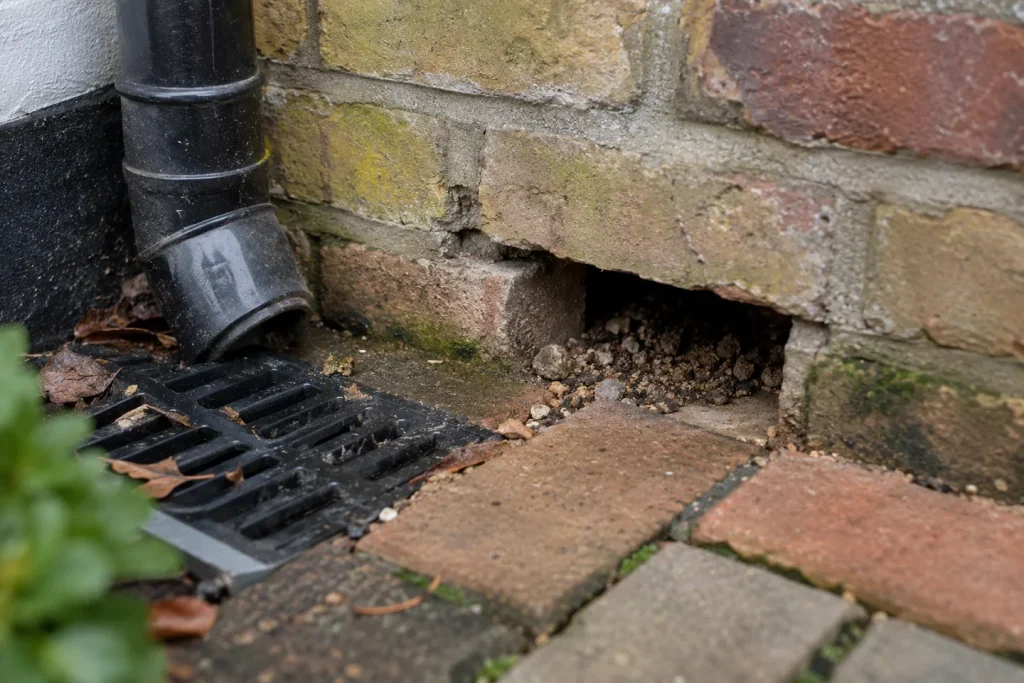
Drainage becomes more relevant when there is a visible damaged cover, displaced paving beside a chamber, persistent ground disturbance near a pipe route, a broken gully or a clear opening at the base of the building. Indoor evidence beside a bathroom, utility room or soil-pipe penetration may add a reason to check. None of these signs identifies the exact defect. They simply make a targeted drainage assessment more worthwhile.
Make a map of the evidence
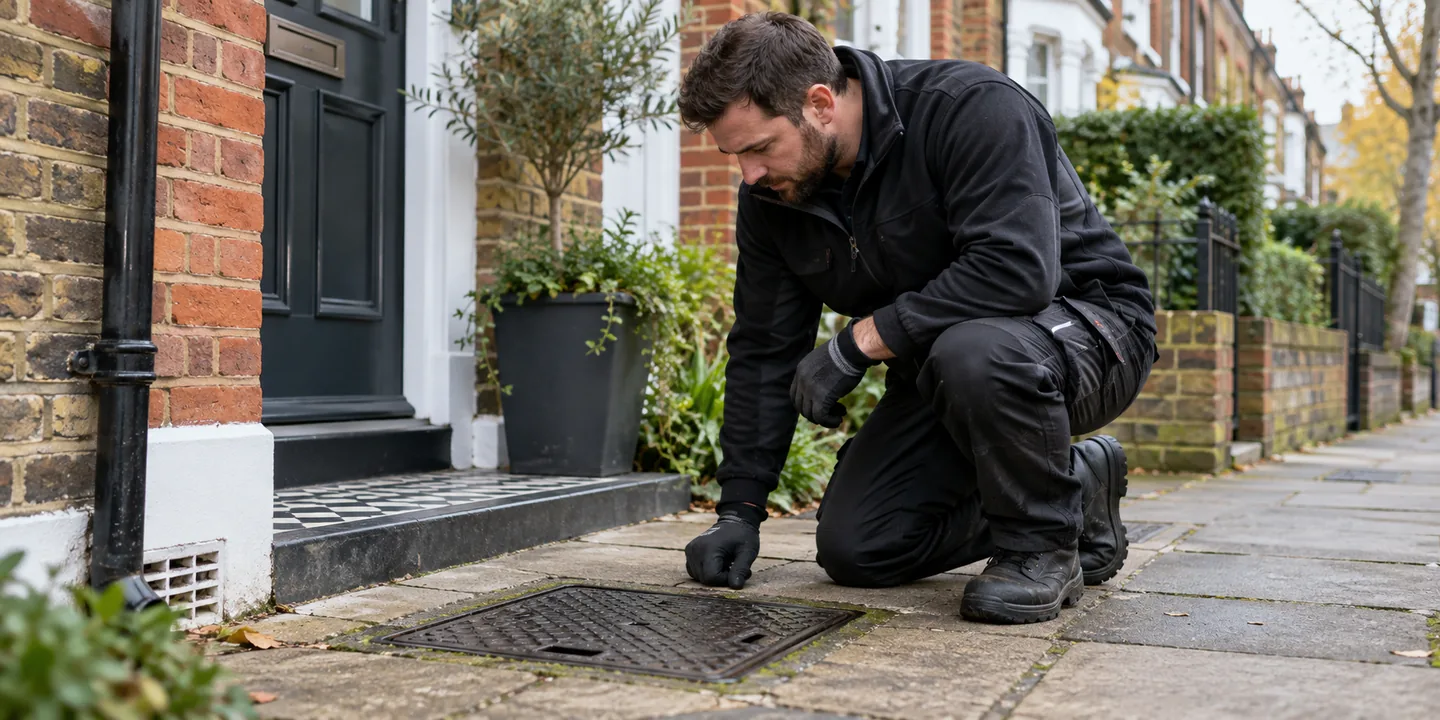
Sketch the house, drains you can see, garden structures and locations of sightings. Photograph a damaged cover or disturbed ground from a safe position, showing the wider area as well as the detail. Add dates. Do not lift heavy covers, reach into gullies or enter a chamber. Drainage spaces can contain hazards that are not apparent from above, and a pest article cannot make them safe for a household inspection.
Check the ordinary attractions at the same time
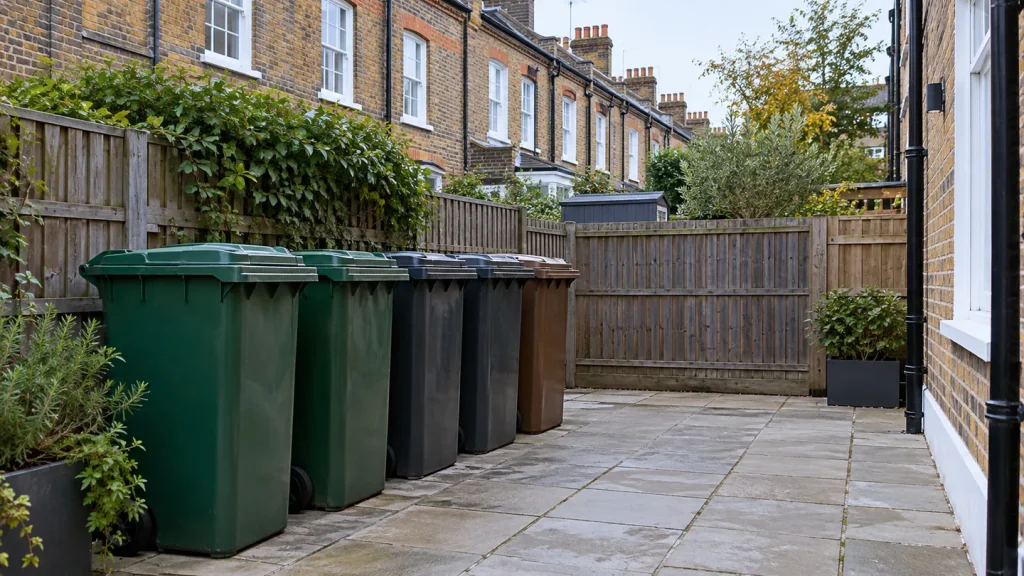
Before arranging extensive drainage work, deal with obvious accessible food and shelter. Keep bin lids closed, remove loose food waste, pause bird feeding while investigating active signs and bring pet food indoors after use. Clear garden clutter carefully enough to see the ground. These measures will not repair a broken drain, but they help establish whether the site remains attractive for simpler reasons. Reading and Maidstone councils emphasise food and rubbish control as part of rat prevention.
Look at the building envelope too. A gap around a service pipe or damaged air brick may allow entry from outside without involving the underground system. Take photographs and avoid sealing an opening if an animal may be inside. An inspection needs to establish both where activity is occurring and the order in which treatment and proofing should happen. The site's rat control service in Greenford is relevant to that pest assessment.
If droppings are indoors, treat contamination as an immediate issue regardless of the suspected route. Keep food and people away from the affected surface, avoid dry sweeping or vacuuming, and follow damp-cleaning advice for small accessible areas. UK Health Security Agency guidance notes that dry disturbance of rodent waste can put material into the air. Extensive contamination requires suitable professional advice. A possible drain connection should not postpone necessary hygiene precautions.
What a drainage specialist can establish
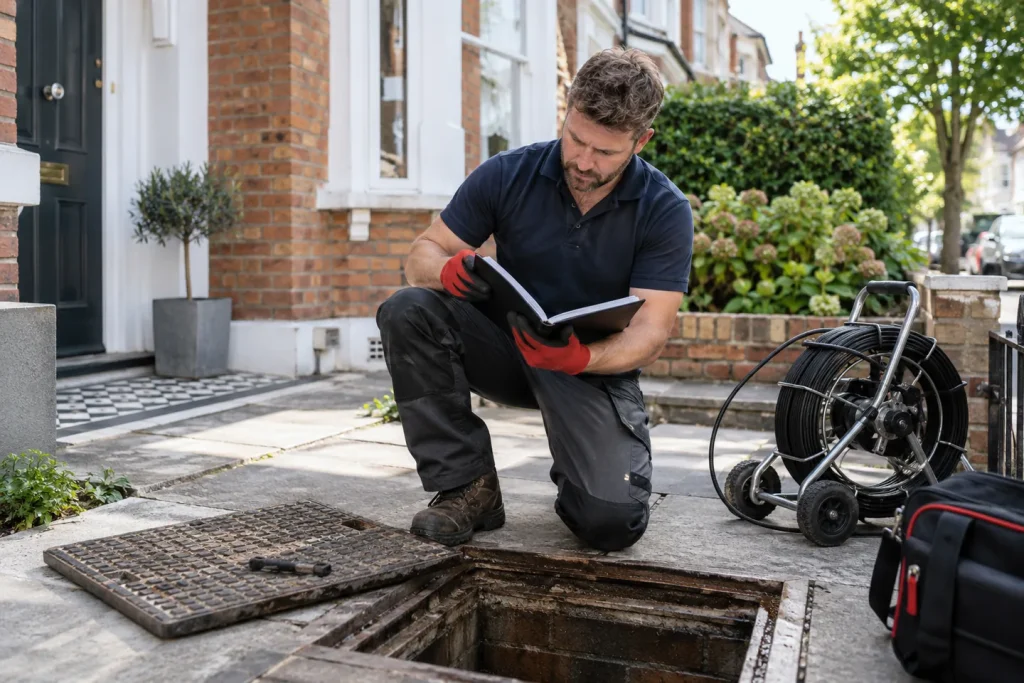
A qualified drainage professional can assess the condition of visible chambers and the connected pipework. Depending on the property and evidence, they may recommend a survey of the line to locate a break, poor joint or redundant opening. Ask for a written explanation of what was found and where it is, rather than accepting a general statement that “rats come from drains”. The result should distinguish an actual defect from an intact system near which a rat happened to travel.
Responsibility for repair can depend on whether a drain is private, shared or part of a public sewer. Do not assume ownership from where an inspection chamber sits. A landlord, managing agent, drainage contractor or relevant water company may need to clarify the route and responsibility. If you rent, report the visible evidence and any indoor signs in writing so the correct party can arrange access. Keep copies of photos and reports.
Ask a contractor to explain the scope of any proposed survey before it begins. Which chamber can be accessed, which section of pipe will be examined, and what limitations might prevent a complete view? A clear scope helps you understand what a “no defect found” result actually covers. It also helps if the pest professional needs to compare the drainage findings with signs inside the building. Avoid treating an unexamined branch as cleared merely because another section looks sound.
Coordinate pest control and repair
If both rat activity and a drainage defect are confirmed, a treatment plan and a repair plan should fit together. Repairing a pipe without checking whether animals are active within the property may leave contamination or an occupied void. Treating rats while leaving an open route can allow a repeat problem. Ask the pest professional and drainage contractor what each will do, when access is needed and how success will be checked. Avoid blocking a suspected opening with improvised materials while the route is still uncertain.
Stockport Council advises inspecting manholes and addressing structural or drainage defects when rats are present. The council also cautions that outdoor rodenticide may be restricted and can be ineffective if the source is not addressed. The point is a joined-up investigation, not an automatic recommendation for a particular chemical or device.
When the clues point elsewhere
Sometimes a drain is sound, yet rats continue to visit. Revisit other sources of food and shelter: overflowing bins, compost that contains unsuitable food, fallen fruit, spilled seed, a void beneath decking or an open shed. Inspect the wall and door gaps near the activity. A professional may find a route along a fence rather than underground. That is still useful: it prevents unnecessary drainage repairs and focuses prevention where it matters.
The species may also be uncertain. A small animal moving quickly beside a gully could be a mouse, and droppings need context before identification. The mouse control page may help frame the difference, but a direct inspection is more reliable than a guess from one blurred sighting. If the concern centres on noises above ceilings rather than near the ground, consider the squirrel control information as a separate possibility.
Follow the evidence after any work
Record the date of treatment or repair and continue checking the same places for fresh signs. A clean area is easier to monitor than one with old droppings or debris. New burrowing, indoor traces or repeated sightings after work indicate that another route or attraction may remain. Ask for follow-up based on the evidence rather than waiting for a dramatic sighting. Keep any survey footage or written report with the property's maintenance records; it can help if the issue recurs.
Where activity crosses a boundary, share factual observations with the neighbour or property manager without assuming where the defect lies. Underground pipe routes and shared spaces can be complicated. A collaborative inspection is often more productive than arguing about which garden contained the first sighting. The site's contact page is available if you need a pest assessment to accompany drainage enquiries.
An investigation is justified when several clues align: recurring rat signs, a plausible route and a visible defect or strong reason to suspect one. Until then, keep the conclusion open. The right repair depends on locating the actual opening, while the right pest response depends on knowing where animals are active and what continues to attract them.
Need help with a pest concern in Greenford?
Describe the signs you have noticed and where you found them. The team can discuss a suitable next step for your property.
Contact the team