

Opening a wardrobe and seeing a small moth is worrying, especially if a favourite wool jumper has a new hole. Yet the adult on the door is only a clue. The damage is usually caused by larvae feeding in a quiet part of the storage area, and the source may be a garment, a rug beneath the wardrobe or another natural-fibre item nearby. Finding that source is more useful than chasing every flying moth around the room.
Several moth species enter homes, and many do no damage to clothing. Clothes moths tend to remain near suitable fabrics and darker, undisturbed spaces. The British Pest Control Association and UK councils both advise looking for larvae, cases and fabric damage as well as adults. A measured inspection can tell you whether the wardrobe is the centre of activity or merely where you first noticed it. If signs are widespread, the Greenford moth control service can assess the species and source.
Look at the garments that are least disturbed
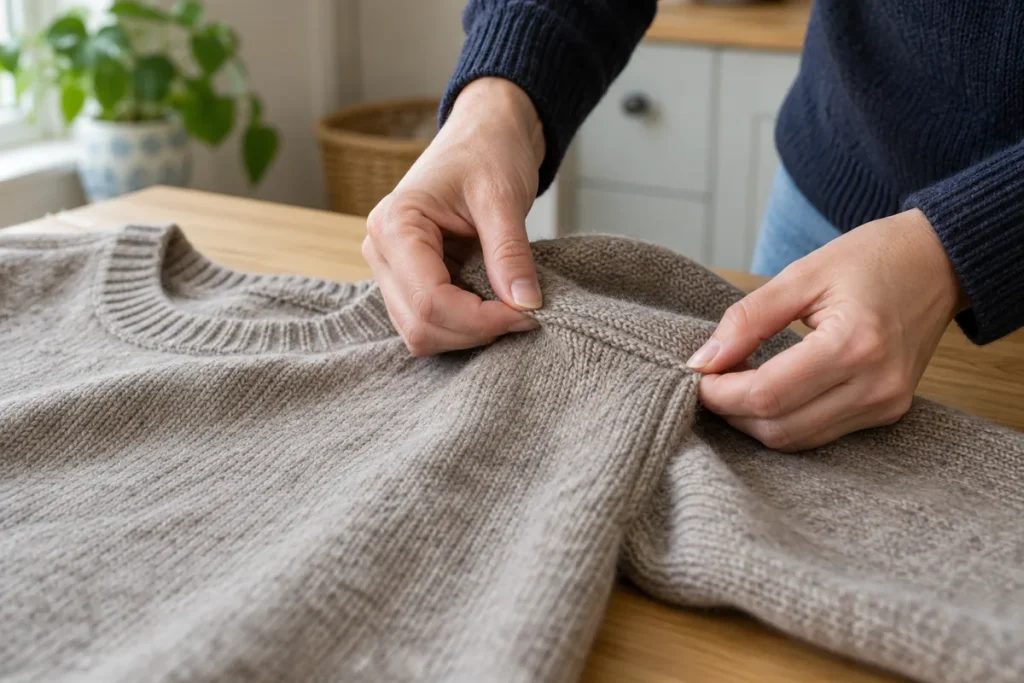
Begin with clothes that have sat in the same place for weeks or months. Take them out one at a time and inspect seams, collars, cuffs, pockets and folds in good light. A hole on an exposed sleeve is easy to see; damage beneath a folded edge may be more revealing. Lay each checked item on a clean surface rather than piling it on the floor with unchecked clothing. Photograph damage with the garment label visible if the fabric matters to a later repair decision.
Natural fibres such as wool, cashmere, silk and fur deserve particular attention. Blends can also be affected, especially when they contain an animal-based component. Do not assume a cotton T-shirt and a wool coat carry the same risk. Look for small pale larvae, silken threads or portable cases close to damaged fabric. The larvae are the feeding stage; an adult moth's presence does not show which item is being eaten.
If you find several damaged garments, keep them separate from clothes with no signs until you have decided how to clean or store them. Avoid shaking an item vigorously inside the wardrobe, as this can scatter debris and make the inspection less orderly. A soft brush used outdoors may help expose hidden material, but follow the fabric's care requirements. Valuable or fragile pieces are worth discussing with a specialist cleaner rather than subjecting them to an unsuitable hot wash.
Inspect the wardrobe itself
Empty one shelf or drawer at a time. Check the rear corners, shelf joins, drawer runners and the gap between wardrobe and wall if it is accessible. Dust, lint and scraps of natural fibre can collect where cleaning seldom reaches. Vacuum carefully, including cracks and floor edges, and dispose of the vacuum contents outside according to local waste arrangements. Wipe hard surfaces and let them dry before returning clean items.
Look beneath the wardrobe and at any rug or carpet it covers. Clothes moth larvae may feed where a natural-fibre carpet is protected from regular foot traffic and vacuuming. This is easy to miss if the focus stays entirely on hanging clothes. Do not strain yourself moving heavy furniture. Note the area for a pest professional if you cannot inspect it safely.
If you find larvae but no obvious garment damage, consider other nearby sources: stored blankets, cushions, upholstery, a fabric-covered box or an old suitcase. A methodical room sketch can help. Mark where adults were seen, where larvae or cases were found and where holes appear. This pattern is more informative than counting moths at the ceiling light.
Is it definitely a clothes moth?
A small moth in the kitchen may be associated with stored dry food rather than clothing. Pantry moth activity can involve cereals, nuts, dried fruit or pet food, with webbing or larvae in packaging. Check the location before combining the two problems. A moth flying from a food cupboard is not proof that your wardrobe needs treatment. If dry goods are affected, separate and discard contaminated food, clean the cupboard and put sound supplies into sealed containers.
Another common source of textile damage is carpet beetle larvae. North Northamptonshire Council notes that these may look like small hairy larvae, while clothes moth larvae can appear as pale caterpillars or cases. If the damaged item is a rug or upholstery and you see bristly skins, the Greenford carpet beetle treatment page may be more relevant. Keep a photograph or specimen for identification instead of treating an uncertain insect by name.
Do not rely on a single trap to make the diagnosis. A species-specific monitoring trap may help indicate adult moth activity, but it does not identify the larval feeding site or remove damaged material. Ask a professional how to interpret catches and where traps should be placed. A trap by a window might tell a different story from one inside a closed wardrobe.
Clean, process and store in the right order
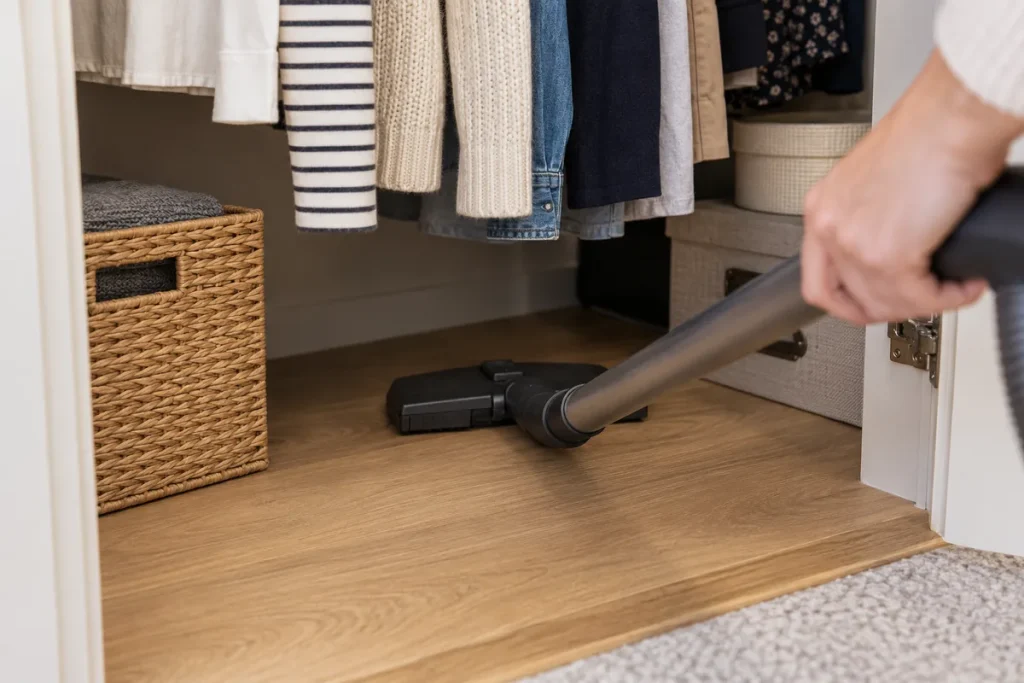
The safest first steps are physical: inspect, vacuum the hiding places and clean or isolate affected textiles. Follow each garment's care label. A wool jumper that cannot tolerate a high-temperature wash should not be sacrificed to an internet instruction. The BPCA warns that hot washing may ruin natural fibres and describes other options for suitable items. Where the method is uncertain, ask a professional or the garment maker for advice.
Once items are clean and thoroughly dry, place long-term storage pieces in close-fitting garment bags or sealed containers. Do not seal a damp coat into a plastic box; moisture can create another problem. Label the container with its contents and the date, so you can inspect it without opening everything repeatedly. Rotate and air items that remain in regular use. A little access and light makes it easier to spot new damage early.
Keep the wardrobe floor and surrounding carpet easy to vacuum. Clean behind and beneath furniture when practical. A tidy wardrobe alone is not a guarantee, but it removes debris and lets you see larvae or new holes sooner. Avoid hanging an unwashed, stained wool garment beside freshly checked clothes for months. Perspiration and food marks may make natural-fibre items more attractive to larvae.
When to ask for help
Professional assessment is sensible when damage continues after cleaning, larvae appear in more than one room, the source is hidden beneath fitted furniture, or valuable textiles are at risk. Tell the technician where the first damage appeared, what you have cleaned and whether adults are seen in the kitchen as well as the bedroom. Treatment should follow identification and source finding; a general spray in the wardrobe is unlikely to solve a source beneath a carpet.
If you have children, pets or sensitive belongings in the room, mention them before any treatment is proposed. Ask what areas need to be accessible, how fabrics should be handled and what cleaning is needed afterwards. Do not apply unlabelled products to clothing or food storage areas. If the inspection points to a different pest, a different service may be needed; for example, bed bug treatment in Greenford concerns insects associated with sleeping places rather than fabric holes.
The first useful result of a wardrobe search is a map of evidence: damaged items, larvae or cases, and the places they cluster. From there you can clean and protect what remains, then arrange a targeted assessment if signs continue. The Greenford moth control page is the next step when the evidence points to moths and the source is not easy to resolve.
Need help with a pest concern in Greenford?
Describe the signs you have noticed and where you found them. The team can discuss a suitable next step for your property.
Contact the team